
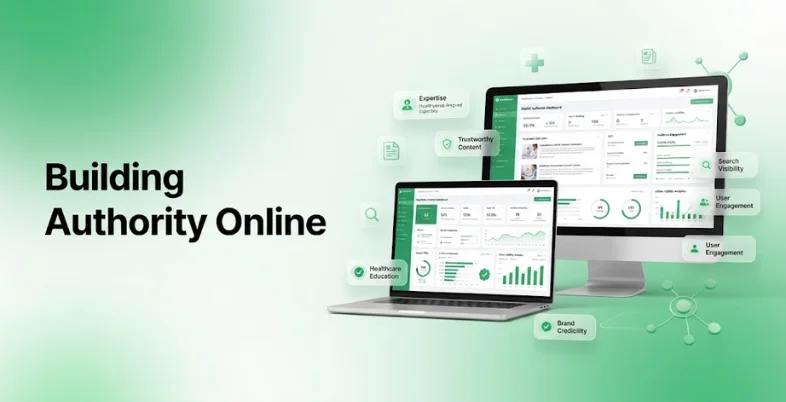
A healthcare brand can invest heavily in advertising, maintain a professional website, and promote its services, yet still struggle with Building Authority Online. When people search for health information, they do not just want to find a provider; they want answers from sources they can rely on before making important decisions. Promotional campaigns may attract attention, but they often fail to address the questions and concerns users have during their research process.
Healthcare brands can solve this challenge by using educational content to build authority instead of relying only on promotion. This article explores how healthcare brands can use educational content as a strategic tool to strengthen credibility and create stronger digital connections with their audience.
Why Educational Content Has Become a Competitive Advantage for Healthcare Brands
Healthcare brands now compete in an environment where users research extensively before taking action. A patient may visit multiple websites, compare information, read reviews, and look for evidence of expertise before contacting a healthcare organization. This means brands cannot rely only on service pages or promotional campaigns to influence decisions.
Educational content gives healthcare organizations an opportunity to participate in the early stages of the decision-making process. Instead of appearing only when someone searches for a provider, brands can become valuable resources when users look for answers, explanations, and guidance.
The strongest healthcare content does not focus on selling immediately. It focuses on solving information gaps. A detailed article explaining a condition, a guide answering common questions, or a resource explaining treatment options can help users feel confident while positioning the brand as a knowledgeable authority. Healthcare brands that consistently provide useful information can achieve several long-term benefits:
- Build trust before direct interaction with potential patients
- Increase visibility for a wider range of relevant searches
- Create more opportunities to engage users across different stages of their journey
- Develop stronger brand recognition within their healthcare niche
Educational content works because it aligns with how people make healthcare decisions today. Users want organizations that understand their concerns and provide meaningful information, not just businesses that promote their services.
Creating Healthcare Content That Demonstrates Real Expertise
Search engines and users both evaluate whether a brand provides reliable, accurate, and experience-based information. Healthcare websites must demonstrate why their audience should trust their content.
Strong healthcare content reflects expertise through research, accuracy, and transparency. Brands should create resources that explain complex topics clearly while maintaining medical accuracy.
Focus on User Questions Instead of Promotional Messages
Many healthcare websites make the mistake of creating content around what they want to promote rather than what their audience needs to understand. For example, a healthcare organization may want to promote a specific service, but users may first search for information about symptoms, risks, available options, or preparation steps.
Addressing these questions creates an opportunity to build trust before introducing a solution. A better approach involves researching:
- Common patient questions from search results
- Questions asked during consultations
- Concerns mentioned in reviews
- Topics discussed by healthcare professionals
This approach helps brands create content that supports real user needs instead of producing generic marketing material.
Show Transparency Through Content Quality
Healthcare audiences expect accuracy because incorrect information can directly affect personal decisions. Brands should strengthen credibility by including:
- Qualified authors or medical reviewers where appropriate
- References to reliable sources
- Clear update dates for important medical information
- Transparent explanations without exaggerated claims
Building Topic Authority Through Healthcare Content Clusters
Publishing individual blog posts without a clear strategy rarely creates strong authority. Healthcare brands should organize their content around topic clusters that allow users and search engines to understand their expertise.
A topic cluster connects multiple pieces of content around a central healthcare subject. Instead of creating one general article and stopping there, brands develop supporting resources that answer related questions. For example, a healthcare website covering a specific medical condition could create:
- A detailed overview explaining the condition
- Articles covering causes and risk factors
- Resources explaining symptoms and diagnosis
- Guides discussing treatment approaches
- FAQs addressing common patient concerns
This structure creates a complete information ecosystem. Users can explore related topics easily, while search engines can better understand the website’s depth of knowledge.
When building healthcare content clusters, brands should prioritize depth over volume. Publishing dozens of shallow articles may generate temporary traffic, but comprehensive resources create stronger long-term value.
How Educational Content Improves Healthcare SEO Performance
Healthcare SEO depends heavily on trust, relevance, and usefulness. Unlike many industries, healthcare websites operate within a space where search engines place greater importance on content quality because users depend on accurate information.
Educational content supports SEO by helping websites target different search intents. Someone searching for basic information about a health topic has different needs than someone comparing treatment options or looking for professional support.
Match Content With Different Stages of the User Journey
Healthcare brands should create content that supports users from initial research to final decision-making.
Awareness stage:
Users are trying to understand a problem or condition.
Content examples:
- Educational guides
- Definitions
- Risk factor explanations
- Symptom information
Research stage:
Users are exploring available options.
Content examples:
- Treatment comparisons
- Expert explanations
- Frequently asked questions
- Resource guides
Decision stage:
Users are ready to take action.
Content examples:
- Provider information
- Service details
- Consultation resources
- Patient support information
By creating content for each stage, healthcare brands can attract users earlier and continue supporting them until they are ready to engage.
Use Content to Build Search Visibility and Trust Signals
High-quality educational content can improve visibility by creating opportunities to rank for more relevant searches. It can also encourage other websites, professionals, and organizations to reference the information as a useful resource.
For example, healthcare education platforms that provide detailed and accessible information on complex topics can become valuable references for users seeking guidance. Resources such as Mesothelioma Hope demonstrate how specialized healthcare content can support individuals searching for reliable information about serious medical conditions.
The goal is not simply to rank for keywords. The goal is to create resources that users find genuinely helpful and trustworthy.
Turning Healthcare Education Into a Long-Term Digital Asset
Educational content continues to provide value long after publication. Unlike short-term advertising campaigns that stop generating results when spending ends, high-quality resources can continue attracting visitors, building credibility, and supporting marketing goals.
Healthcare brands can maximize the value of existing content by repurposing it across multiple channels.
A detailed healthcare article can become:
- Social media educational posts
- Email newsletter content
- Video scripts
- Downloadable patient resources
- FAQ sections
- Website support materials
This approach allows brands to maintain consistent communication without constantly creating new topics from scratch.
However, healthcare organizations should also maintain content quality over time. Medical information can change, guidelines can be updated, and user expectations can evolve. Regular content reviews help ensure that resources remain accurate and valuable.
Measuring Whether Educational Content Builds Authority
Healthcare brands should measure educational content based on more than website traffic. High-performing content should contribute to visibility, trust, and meaningful user engagement.
Important performance indicators include:
Organic growth metrics
- Increase in keyword visibility
- Growth in search impressions
- Higher rankings for relevant healthcare topics
- Increased organic traffic from informational searches
Engagement metrics
- Time users spend reading content
- Pages visited after educational resources
- Returning visitors
- Interaction with downloadable resources
Trust and conversion indicators
- Consultation requests
- Contact form submissions
- Resource downloads
- Brand searches
- External mentions and backlinks
These metrics help healthcare marketers understand whether their content actually supports business goals and user needs.
Endnote
Healthcare consumers increasingly choose organizations that provide trustworthy information, not just promotional messages. Brands that invest in educational content can create stronger connections with their audience while improving their online visibility and Building Authority Online.
By focusing on expertise, answering real user questions, building structured content resources, and maintaining accuracy, healthcare organizations can establish themselves as reliable digital authorities.
In a competitive healthcare environment, knowledge has become one of the most powerful marketing assets. Brands that educate their audience position themselves for stronger trust, better engagement, and sustainable online growth.