

If you are thinking about starting a business right now, you have picked the absolute best time. India’s digital economy is booming, backed by serious capital and a massive surge in middle-class spending. In 2025 alone, Indian startups raised over $10.5 billion in funding, firmly securing the country’s spot as the world’s third-largest startup ecosystem. Furthermore, with the national e-commerce market projected to hit a staggering $159 billion in 2026, the traditional roadblocks to doing business have vanished. It has never been easier to source products locally and sell them directly to millions of eager buyers.
This guide is designed for anyone ready to capitalize on this growth—whether you are an experienced entrepreneur looking to diversify your income, a first-time founder stepping into the market, a student testing a low-risk side hustle, or a woman launching a flexible, home-based brand. The beauty of a trading business is that it scales to fit any experience level and budget. Even if you are starting small with limited money, there are still plenty of ways to begin, just like many zero investment business ideas that work well for beginners.
You don’t need to invent a product from scratch or build a massive factory; you simply act as the smart bridge between a reliable supplier and the end consumer, which is why Trading Business Ideas in India are gaining huge popularity right now.In this comprehensive breakdown, we will cut through the noise and show you exactly what works today. You will get a clear overview of how different trading models operate, a checklist of the essential legal licenses required to keep your business above board, and a curated list of 25 highly profitable trading business ideas complete with exact investment ranges, realistic profit margins, and step-by-step launch strategies.
What Is a Trading Business?

A trading business operates on one simple rule: buy finished goods low and sell them high. Unlike manufacturing, where you deal with raw materials and production lines, you simply buy from a supplier and sell at a profitable markup. For instance, you might buy phone cases wholesale for ₹50 and retail them online for ₹200. You aren’t making the products yourself; you are just acting as the bridge, putting the right items in front of the people who want to buy them.
Because you aren’t tied to a factory, this model offers incredible flexibility. You can choose to operate as a wholesaler supplying bulk goods to local shops, or act as a retailer selling directly to everyday consumers. Alternatively, you can explore import-export for international reach, or run an e-commerce storefront entirely from your laptop. Understanding these different paths will help you pick the exact setup that fits your starting budget and long-term goals.
Why Start a Trading Business In India ?
If you are looking at the current market landscape, jumping in right now makes a lot of practical sense. The groundwork has been laid over the last few years, making this specific window a unique opportunity for new founders. Here is why the timing is ideal:
- Hyper-connected consumers: Smartphone access isn’t just a big-city luxury anymore. With cheap data reaching deep into Tier 2 and Tier 3 towns, millions of new buyers are coming online every single month. This means your potential customer base is no longer limited to your local neighborhood; you can easily reach buyers hundreds of miles away.
- A massive shift in spending power: The Indian middle class is expanding rapidly, and with that comes a serious appetite for better products. People aren’t just buying the bare necessities anymore; they are actively spending on lifestyle goods, smart electronics, and branded fashion, creating massive, sustained demand across multiple categories.
- Smooth and affordable logistics: A few years ago, moving goods across state lines was a logistical nightmare. Today, third-party delivery networks have completely solved that puzzle. You can ship a parcel from Mumbai to a small town in Assam quickly and cheaply, making it incredibly easy to execute various trading business ideas without ever needing to own a delivery truck.
- Fewer roadblocks for new founders: The environment for starting up has become significantly friendlier. With streamlined GST registration, government pushes to level the playing field for small sellers (like ONDC), and easier access to micro-loans, the traditional friction of getting a new venture off the ground is lower than it has ever been.
- Ultimate financial flexibility: The absolute best part about acting as the middleman is that you control the scale. You don’t have to sink your life savings into heavy machinery or a manufacturing plant. You can test the waters with a very small batch of inventory, see what your market actually wants, and slowly reinvest your profits as you grow.
List Of 25 Best Trading Business Ideas in 2026
1. Mobile & Tech Accessories
This business involves sourcing high-demand items like aesthetic phone cases, tempered glass, fast-charging cables, and wireless earbuds in bulk to sell them either to local retail shops or directly to consumers online. Instead of just facilitating a quick transaction, you are building a reliable supply chain for everyday tech essentials. It is incredibly profitable right now because practically everyone owns a smartphone and constantly upgrades or replaces their accessories. With the massive surge in new 5G phone purchases across India, the secondary market for protective and stylish gear is booming, giving you a massive, never-ending pool of potential buyers.
- Investment required: ₹30,000 – ₹1 Lakh
- Profit margin range: 40% – 70%
- How to start:
- Find a reliable wholesale market (like Gaffar Market in Delhi or Manish Market in Mumbai), or source verified suppliers on IndiaMart.
- Set up an Instagram storefront or register as a seller on platforms like Amazon and Flipkart.
- Best for: Founders seeking a high-volume, fast-moving inventory model with low initial capital barriers and rapid stock turnover.
2. Organic Foods & Ayurvedic Supplements

Here, you buy certified organic staples, herbal teas, raw honey, or wellness supplements directly from cultivators or verified manufacturers. You then package these goods beautifully and sell them under your own clean-label brand to health-conscious buyers, making it a great option if you want to start a food business with a strong health-focused niche. This goes beyond basic grocery selling; you are curating a lifestyle product. The profitability in this space is massive because post-pandemic health awareness has turned into a permanent lifestyle shift.
Consumers are actively moving away from heavily processed supermarket items and are more than willing to pay a premium for verified, natural wellness products that promise authentic health benefits.
- Investment required: ₹50,000 – ₹2.5 Lakhs
- Profit margin range: 30% – 50%
- How to start:
- Identify a specific niche (e.g., pure ashwagandha, organic millets) and partner directly with certified local farmers.
- Secure your basic FSSAI registration and focus heavily on building trust through transparent, clean packaging.
- Best for: Entrepreneurs aiming to build high-LTV (Lifetime Value) D2C wellness brands with a strong focus on supply chain transparency and clean labeling.
3. Niche Streetwear & Fast Fashion
This model revolves around curating unbranded, highly trendy clothing items—like oversized graphic tees, baggy cargo pants, and chunky sneakers—from major textile hubs and retailing them via a visually driven social media storefront. It is easily one of the most dynamic trading business ideas in India today because Gen-Z’s spending power is at an all-time high. Younger buyers prioritize unique, aesthetic-driven streetwear over expensive legacy brands. If you can curate a collection that looks great on Instagram or Pinterest, you can build a cult following and scale your sales incredibly fast without ever needing to open a physical boutique.
- Investment required: ₹40,000 – ₹1.5 Lakhs
- Profit margin range: 50% – 100%+
- How to start:
- Source high-quality, readymade garments from manufacturing hubs like Tirupur or Surat.
- Invest in visually striking photography and run targeted Instagram or Pinterest ads to build a cult following.
- Best for: Marketers skilled in social commerce and brand positioning, looking to capitalize on high-margin, trend-driven retail.
4. Smart Home Gadgets
This involves trading plug-and-play home automation tech like smart LED bulbs, Wi-Fi-enabled smart plugs, indoor security cameras, and voice-controlled relays. You act as the bridge between specialized electronics manufacturers and everyday homeowners looking to upgrade their spaces. The demand here is highly lucrative because high-speed home Wi-Fi has become the standard across most Indian cities.
Middle-class homeowners are eagerly upgrading their living spaces to “smart homes” for convenience and security, but they want affordable, reliable alternatives rather than spending a fortune on luxury tech brands.
- Investment required: ₹1 Lakh – ₹3 Lakhs
- Profit margin range: 25% – 45%
- How to start:
- Tie up with reliable OEM manufacturers (ensuring all electronics have the required BIS certifications for safety).
- Sell through local electricians, home improvement stores, or directly via your own e-commerce website.
- Best for: Business owners with a solid understanding of consumer electronics and a strategy for either local retail distribution or niche B2C e-commerce.
5. Eco-Friendly Packaging Supplies
In this B2B (business-to-business) model, you supply essential shipping materials like biodegradable mailers, corrugated boxes, honeycomb paper wrap, and water-activated paper tapes to other companies. Rather than selling to individuals, you become a crucial supply partner for e-commerce brands, cloud kitchens, and local stores.
This is a highly profitable sector right now thanks to strict government regulations against single-use plastics. Additionally, modern Direct-to-Consumer brands desperately want their unboxing experience to look environmentally responsible, making it one of the smartest trading business ideas in India as demand for sustainable bulk shipping materials continues to rise rapidly.
- Investment required: ₹50,000 – ₹2 Lakhs
- Profit margin range: 20% – 35% (High volume orders make up for the slightly lower margin).
- How to start:
- Connect with paper mills and manufacturers that specialize in biodegradable materials.
- Pitch your supplies directly to local cafes, cloud kitchens, and D2C online brands who need a steady, bulk supply of packaging.
- Best for: B2B operators focused on securing recurring, high-volume supply contracts with D2C brands, cloud kitchens, and enterprise clients. .
6. Refurbished Laptops & Smartphones

This business focuses on acquiring used or off-lease corporate devices, having them professionally wiped, tested, and cleaned, and then reselling them to students or budget-conscious buyers. Instead of dealing with the razor-thin margins of brand-new electronics, you operate in the high-demand secondary market, acting as a trusted source for verified tech.
This sector is incredibly lucrative right now because online learning, coding bootcamps, and remote work are the absolute norm, meaning a computer is a strict necessity rather than a luxury. However, since brand-new tech is often prohibitively expensive, a massive, eager market has opened up for high-quality, pre-owned electronics backed by a basic seller warranty.
- Investment required: ₹1 Lakh – ₹4 Lakhs
- Profit margin range: 20% – 40%
- How to start:
- Partner with IT liquidators who sell off-lease corporate laptops in bulk, or source from established refurbishing hubs.
- Offer a solid warranty (even just 3 to 6 months) to build instant trust with your buyers.
- Best for: Operators capable of managing reverse logistics, basic quality assurance, and building trust in the secondary electronics market.
7. Pet Food & Accessories
In this model, you retail high-quality pet nutrition, premium treats, ergonomic toys, and grooming supplies to pet parents through a localized physical store or a hyper-local online delivery service. You act as a specialized curator, bringing in unique items that aren’t typically available at a standard grocery store. This is a highly profitable avenue because people increasingly treat their dogs and cats like actual family members, and they spend accordingly. There is a massive, permanent shift toward premium, grain-free diets and aesthetic, durable pet gear, creating a loyal customer base that returns to buy their essentials consistently month after month.
- Investment required: ₹50,000 – ₹1.5 Lakhs
- Profit margin range: 30% – 50%
- How to start:
- Tie up with wholesale distributors of popular pet brands, or import unique toys that aren’t easily found at the local vet clinic.
- Set up a hyper-local delivery model via WhatsApp, catering to specific apartment complexes or neighborhoods.
- Best for: Founders aiming to capture high-retention, subscription-style recurring revenue within the premium lifestyle and pet care sector.
8. Imitation & Oxidized Jewellery
This venture involves curating artificial, vintage-style, or heavily oxidized jewelry pieces and selling them online via social media or through pop-up stalls at college fests and flea markets. You buy these pieces at absolute rock-bottom wholesale prices and sell them based on their aesthetic appeal and styling, which is exactly what you need when you start a jewellery business. This stands out among other trading business ideas due to its incredible markup potential. Real gold and silver are prohibitively expensive for daily wear, and younger demographics are leaning heavily into aesthetic, mix-and-match fashion. Chunky oxidized silver and minimalist, tarnish-free daily wear pieces are absolute staples in modern wardrobes, ensuring rapid and continuous inventory turnover.
- Investment required: ₹15,000 – ₹50,000
- Profit margin range: 60% – 150% (Very high markup potential)
- How to start:
- Source your inventory directly from major manufacturing hubs like Jaipur or Zaveri Bazaar in Mumbai.
- Focus heavily on visual marketing and create striking Instagram reels and Pinterest boards to showcase how to style the pieces.
- Best for: Entrepreneurs looking for an extremely high-margin, lightweight inventory model driven heavily by visual digital marketing
9. Home Fitness & Yoga Gear

This setup requires supplying space-saving, highly functional workout equipment like premium yoga mats, resistance bands, adjustable dumbbells, and foam rollers. You source these items from sporting goods manufacturers and sell them to individuals looking to build out their home gyms. The profitability here is driven by the fact that the hybrid work culture has permanently altered daily routines, meaning a huge portion of the workforce still prefers working out at home rather than paying expensive gym memberships. They are actively hunting for fitness gear that is durable, functional, and aesthetic enough to leave out in a living room without looking like unappealing clutter.
- Investment required: ₹40,000 – ₹1 Lakh
- Profit margin range: 30% – 55%
- How to start:
- Find white-label manufacturers who can put your own brand name on quality mats and bands.
- Partner with local gym trainers or yoga instructors who can recommend your specific gear to their clients.
- Best for: E-commerce operators focused on durable, non-perishable goods that experience consistent, year-round market demand.
10. Specialized Corporate Gifting
This is a highly scalable B2B operation where you assemble customized gift hampers featuring items like premium diaries, tech gadgets, gourmet coffee, and drinkware for companies to distribute to their employees or high-value clients. You handle the sourcing, branding, and packaging, taking a massive logistical headache away from busy HR departments. It is incredibly profitable right now because the corporate landscape is highly competitive, and companies are constantly trying to improve employee retention and client relationships.Traditional boxes of cheap sweets are completely out; businesses are now allocating large budgets for curated, functional gift boxes that leave a lasting, premium impression.
- Investment required: ₹50,000 – ₹2 Lakhs
- Profit margin range: 25% – 40% (Profits are driven by high-volume bulk orders).
- How to start:
- Build a digital catalog of customizable items and partner with local printers for adding company logos.
- Network on LinkedIn and pitch your hampers directly to HR managers and startup founders before major festive seasons.
- Best for: B2B specialists highly skilled in relationship management, bulk procurement, and navigating long corporate sales cycles.
11. Print-on-Demand Apparel & Merch
Instead of buying hundreds of t-shirts and hoping they sell, this model allows you to create designs and partner with a supplier who prints and ships the item only after a customer places an order. You are essentially trading your creativity and marketing skills for physical goods without holding any inventory, making it one of the smartest options for anyone searching for low investment business ideas. This is highly profitable today because the creator economy is massive. Meme pages, local bands, and YouTube creators all want to sell merchandise to their followers, but nobody wants to manage shipping boxes in their living room. You step in to handle the backend, capturing a steady stream of sales driven by community loyalty.
- Investment required: ₹10,000 – ₹30,000 (Mostly for website hosting and initial marketing).
- Profit margin range: 20% – 35%
- How to start:
- Find a reliable print-on-demand partner in India (like Printrove or Blinkstore) that handles the blank t-shirts and the printing.
- Set up a basic Shopify store, upload your designs, and use Instagram or Facebook ads to drive traffic.
- Best for: Digital-first founders focusing on brand building and customer acquisition without the overhead of physical inventory management.
12. K-Beauty & Clean Skincare

This venture involves sourcing highly sought-after Korean skincare brands, or organic homegrown beauty products, and retailing them to a dedicated, ingredient-conscious audience. You act as a trusted curator in a highly cluttered market, helping buyers find safe, effective routines. The demand in this sector makes it one of the most reliable trading business ideas right now.
Skincare routines have become incredibly detailed, and consumers are actively moving away from generic supermarket face washes. They are looking for targeted serums, sunscreens, and cruelty-free cosmetics, and they are more than willing to pay a premium for imported or clean-label goods that actually deliver results.
- Investment required: ₹50,000 – ₹2 Lakhs
- Profit margin range: 40% – 60%
- How to start:
- Connect with authorized distributors or wholesalers to ensure you are getting 100% authentic products (counterfeits will ruin your reputation instantly).
- Build an Instagram presence focused on skincare education, tutorials, and before-and-after reviews rather than just pushing sales.
- Best for: Niche curators skilled in community-led marketing and authentic brand positioning within the highly competitive personal care space.
13. Traditional Handicrafts & Home Decor
In this model, you buy regional art pieces, brassware, terracotta pottery, or macrame directly from local artisans and sell them to urban buyers looking to upgrade their living spaces. You are essentially taking regional craftsmanship and making it accessible to a nationwide audience online. The profitability is exceptionally high because people want their homes to look uniquely aesthetic. There is a huge buyer backlash against cheap, mass-produced plastic decor. Urban consumers now prefer authentic, handcrafted items that have a story behind them, allowing you to source at reasonable rural prices and sell at premium urban markups.
- Investment required: ₹30,000 – ₹1.5 Lakhs
- Profit margin range: 50% – 80%
- How to start:
- Travel to regional artisan hubs (like Moradabad for brass or Jaipur for ceramics) to build direct relationships and cut out middlemen.
- List your curated items on platforms like Etsy India, Amazon Karigar, or your own aesthetic Instagram storefront.
- Best for: Supply chain operators who can navigate fragmented rural artisan networks to supply premium, high-markup urban retail markets.
14. Premium Coffee & Specialty Tea
This business requires buying high-quality coffee beans or loose-leaf teas in bulk from local estates, packaging them beautifully, and selling them to independent cafes, office pantries, or direct to consumers online. You are turning an everyday agricultural product into a premium lifestyle experience. It is a highly lucrative venture right now because the specialty cafe culture has exploded far beyond the major metros. Consumers have learned how to brew better beverages at home during the pandemic and are happily ditching cheap instant powders for freshly roasted beans and artisanal tea blends, ensuring consistent, repeat purchases.
- Investment required: ₹50,000 – ₹1.5 Lakhs
- Profit margin range: 40% – 70%
- How to start:
- Partner directly with estates in regions like Coorg, Chikmagalur, or Darjeeling to source your raw product.
- Invest heavily in airtight, visually appealing packaging to justify a premium price tag, and start by supplying local independent cafes.
- Best for: FMCG operators looking to build premium, high-margin lifestyle brands in the rapidly growing specialty food and beverage sector.
15. Maternity & Baby Care Essentials
Here, you trade safe, non-toxic baby clothing, wooden educational toys, and comfortable maternity wear. Instead of offering generic plastic toys, you curate items that prioritize safety, child development, and maternal comfort. The financial returns in this specific niche are fantastic because modern parents are highly conscious of what touches their baby’s skin or enters their play area. Millennial and gen-z parents are willing to spend significantly more on organic cotton, chemical-free soaps, and durable wooden toys compared to previous generations, prioritizing peace of mind over cheap price tags.
- Investment required: ₹50,000 – ₹2 Lakhs
- Profit margin range: 35% – 50%
- How to start:
- Source pure cotton garments from textile hubs like Tirupur or wooden toys from Channapatna.
- Build trust by selling through targeted Facebook parenting groups, local WhatsApp communities, or maternity clinics.
- Best for: Entrepreneurs focused on capturing the high-trust, premium baby care market through strong community-based marketing and safety compliance.
16. E-Bikes & Micro-Mobility Accessories
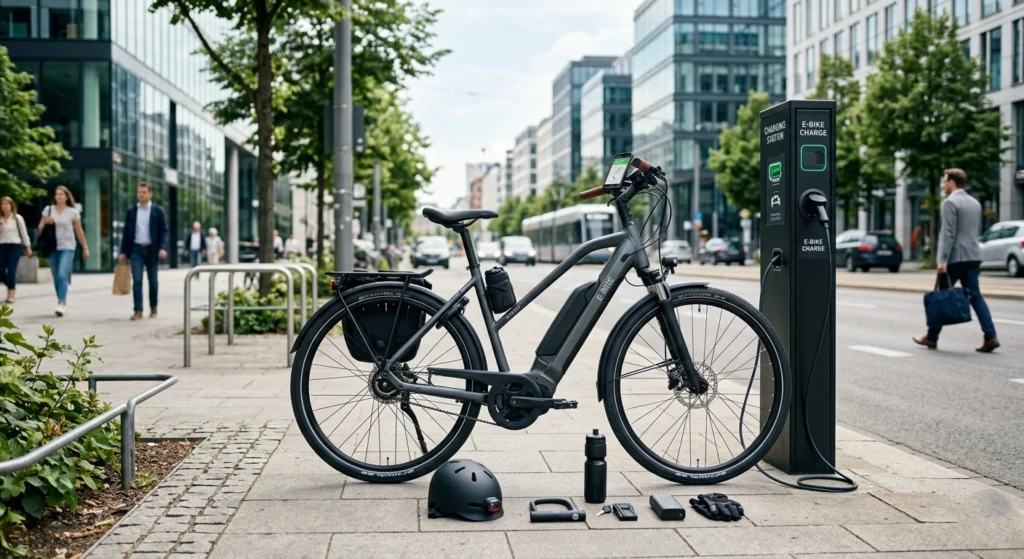
This business revolves around trading entry-level electric bicycles, e-bike conversion kits, and smart riding gear like LED helmets or anti-theft locks. You are essentially supplying the physical hardware that makes modern, eco-friendly commuting possible. This is a highly profitable sector right now because urban transportation is undergoing a massive transformation.
With heavy traffic congestion and unpredictable fuel costs, younger professionals and college students are rapidly adopting micro-mobility. They desperately want eco-friendly transport without the massive price tag and charging hassles of a full-size electric car, creating a huge, ongoing demand for reliable e-bikes and their daily accessories.
- Investment required: ₹1.5 Lakhs – ₹4 Lakhs
- Profit margin range: 20% – 35%
- How to start:
- Partner with emerging local EV startups to become a regional dealer, or import reliable conversion kits directly.
- Set up a local test-ride hub or tie up with existing premium bicycle shops to display your inventory.
- Best for: Hardware-focused founders looking to position themselves in the fast-growing EV and sustainable urban transport ecosystem.
17. Curated Wedding Favors & Return Gifts
In this model, you source highly unique, personalized items like artisanal soaps, mini succulents, custom candles, or gourmet chocolates and bundle them into beautiful hampers for wedding guests. Rather than selling single items, you are solving a major logistical headache for families planning massive events. The profitability here is exceptional because the Indian wedding industry is virtually recession-proof, but consumer tastes have drastically shifted.
Modern couples are actively moving away from generic boxes of traditional sweets. They want aesthetic, highly personalized return gifts that look fantastic on social media and feel genuinely memorable, allowing you to secure massive bulk orders with very healthy markups.
- Investment required: ₹40,000 – ₹1 Lakh
- Profit margin range: 40% – 60%
- How to start:
- Build a diverse catalog by sourcing from various small-scale local artisans.
- Network heavily with wedding planners and event management companies who can pitch your hampers directly to their clients.
- Best for: Event-adjacent businesses and B2B operators who excel at logistics, bulk customization, and closing high-ticket event sales.
18. Cold-Pressed Oils & Regional Spices
This venture requires sourcing authentic, unadulterated spices directly from regions known for their quality, or stone-pressed (lakdi ghani) cooking oils, and retailing them in premium glass packaging. You act as a guarantee of purity in a market flooded with heavily processed goods. This is a remarkably profitable space because the focus on preventive healthcare and clean eating is driving a major shift in how families do their grocery shopping.
Households are happily swapping out refined, mass-produced oils and generic spice powders for pure, traditional alternatives. Once a family trusts the quality of your cooking essentials, they will reorder from you every single month, securing a rock-solid, steady cash flow.
- Investment required: ₹50,000 – ₹1.5 Lakhs
- Profit margin range: 30% – 55%
- How to start:
- Travel to source directly from farmers or small-scale traditional mills to ensure 100% purity.
- Secure your FSSAI license, invest in high-quality leak-proof packaging, and market the origin story of your products online.
- Best for: Founders dedicated to building trust-driven, direct-to-consumer grocery brands with a strict focus on operational purity and quality control.
19. Aesthetic Stationery & Journaling Supplies
This business involves curating thick-paper bullet journals, imported washi tapes, calligraphy pens, and visually pleasing desk planners to sell to dedicated hobbyists. You are dealing in highly visual, low-cost items that carry a massive emotional appeal for the buyer. It is incredibly profitable because analog hobbies are making a serious comeback as people consciously try to reduce their daily screen time.
The journaling and study-gram communities are highly active and constantly hunting for premium or specialized stationery that simply cannot be found at a standard local shop. Because the per-unit cost is so low, you can apply massive markups while keeping the final price entirely affordable for the customer.
- Investment required: ₹20,000 – ₹60,000
- Profit margin range: 50% – 80% (High markups on low-cost items)
- How to start:
- Source unique items from major wholesale markets or import bulk batches from East Asia.
- Create satisfying, aesthetic unboxing and journaling reels on Instagram to build an audience and drive sales.
- Best for: Niche e-commerce operators skilled in visually-driven micro-targeting and building loyal, high-engagement digital communities.
20. Ergonomic Workspace Accessories
Here, you retail specialized comfort gear like posture correctors, heavy-duty laptop stands, orthopedic seat cushions, and blue-light blocking glasses. You are providing physical relief to a highly stressed workforce. The demand for these products is through the roof, making it an exceptionally profitable venture. Back pain and severe screen fatigue have become the new normal, and with hybrid work firmly established for the long haul, professionals are finally investing real money into making their home desk setups healthy and comfortable. This is one of those rare trading business ideas that solves a direct, painful, and immediate problem for the buyer, making the sale much easier to close.
- Investment required: ₹50,000 – ₹1.5 Lakhs
- Profit margin range: 35% – 60%
- How to start:
- Find reliable white-label manufacturers who produce medical-grade or highly durable ergonomic gear.
- Run targeted ads aimed at IT professionals, or market directly to corporate HR departments as part of employee wellness programs.
- Best for: E-commerce founders and B2B operators targeting corporate wellness programs and capitalizing on the permanent remote work economy.
21. Solar Energy Components
This B2B operation involves supplying essential solar setup items like mounting structures, specialized heavy-duty cables, inverter batteries, and solar-powered garden lights. Instead of installing the massive panels yourself, you act as the crucial hardware lifeline for local installation companies. The profitability in this sector is skyrocketing because rising electricity bills and massive government pushes have convinced middle-class homeowners to actively adopt rooftop solar. Local electricians and independent solar installers are constantly securing new projects, and they urgently need quick, reliable access to the smaller components that make these systems work without having to wait for delayed factory shipments.
- Investment required: ₹2 Lakhs – ₹5 Lakhs
- Profit margin range: 15% – 30% (High volume, high ticket size).
- How to start:
- Partner directly with tier-1 solar component manufacturers to act as a regional distributor.
- Build a network of local electricians and independent solar installers who need a steady supply of hardware.
- Best for: B2B distributors capable of managing heavy industrial logistics and building localized supply networks with independent electrical contractors.
22. Urban Gardening & Plant Care Kits

Here, you supply aesthetic indoor planters, specialized soil mixes (like perlite or cocopeat), LED grow lights, and rare plant cuttings to city dwellers. You are essentially bringing a slice of nature into tight concrete apartments, making it one of the most modern and practical agriculture business ideas for urban markets. This is a highly profitable space because modern apartment living often means having zero backyard space, yet the desire for greenery is stronger than ever.
The “plant parent” community is incredibly passionate, spending a surprising amount of money on beautiful ceramic pots, organic pest control, and specialized fertilizers to keep their indoor jungles thriving. Since these supplies are consumed and replenished regularly, you get the benefit of repeat customers coming back season after season.
- Investment required: ₹20,000 – ₹60,000
- Profit margin range: 40% – 75%
- How to start:
- Source lightweight, unbreakable planters from wholesale plastic or ceramic hubs, and buy specialized fertilizers in bulk to repackage.
- Set up visually appealing stalls at weekend farmer’s markets or run a hyper-local Instagram store with delivery via standard couriers.
- Best for: Hyper-local delivery operators and niche retailers capitalizing on the fast-growing home lifestyle and urban decor segments.
23. Drone & Action Camera Accessories
This venture involves retailing specialized gear like spare drone propellers, heavy-duty camera mounts, portable high-capacity power banks, and ND filters for action cameras. You cater directly to content creators and adventure travelers who constantly push their gear to the limit, especially beginners looking to start a photography business without spending heavily on branded accessories.
The demand here is massive, making it a very lucrative setup. Relaxed drone regulations have sparked a boom in both hobbyist flying and professional wedding videography. While consumers will always buy the main, expensive camera from top global brands, they actively hunt for cheaper, high-quality, third-party alternatives when it comes to mounts, protective cases, and extra batteries to save money.
- Investment required: ₹50,000 – ₹1.5 Lakhs
- Profit margin range: 40% – 70%
- How to start:
- Source high-quality, durable third-party accessories from reliable importers or direct manufacturers.
- List your products on major e-commerce platforms and specifically target travel vloggers and wedding photography agencies.
- Best for: Niche electronics traders focused on the high-spending professional creator, media production, and travel videography markets.
24. Specialized Athleisure & Activewear
In this model, you curate high-quality, unbranded workout clothes like seamless leggings, moisture-wicking oversized tees, and supportive activewear. You are providing premium comfort without the exorbitant price tag of a global sports brand. This sector is incredibly profitable because gym wear is no longer restricted just to the gym; it has evolved into everyday casual wear for shopping, traveling, and lounging. Consumers are tired of paying massive markups just for a logo, which creates a huge, profitable gap for premium-feeling, highly durable activewear priced in the mid-range. If your fabric holds up well, buyers will return to purchase multiple colors of the exact same fit.
- Investment required: ₹50,000 – ₹2 Lakhs
- Profit margin range: 40% – 80%
- How to start:
- Sample fabrics extensively from major textile manufacturers in Ludhiana or Tirupur to ensure they are actually squat-proof and sweat-resistant.
- Send free samples to micro-influencers in the fitness space in exchange for honest reviews and shoutouts.
- Best for: D2C brand builders with strong textile sourcing capabilities and a solid strategy for influencer-led digital marketing.
25. Vlogging & Podcasting Equipment
This business requires trading entry-level content creation gear like acoustic foam panels, ring lights, lapel microphones, and flexible tripods. You are supplying the basic tools that help young creators turn their bedrooms into broadcasting studios. Of all the trading business ideas catering to a younger demographic, this one has a wonderfully reliable customer base. The creator economy has become a viable, mainstream career path, and every single day, thousands of new content creators launch their channels. Before they can afford high-end professional studio gear, they desperately need affordable, functional equipment to get their audio and video looking crisp, creating a massive, constantly refreshing pool of entry-level buyers.
- Investment required: ₹40,000 – ₹1 Lakh
- Profit margin range: 30% – 60%
- How to start:
- Import or source white-label electronics that have proven audio/video quality.
- Create short, engaging tutorials on social media showing exactly how to use your specific gear to get professional results on a budget.
- Best for: Tech-focused e-commerce operators targeting the rapidly expanding creator economy and the high-turnover entry-level media production market.
How to Start a Trading Business in India – Step-by-Step
You have the inspiration, but how do you actually turn it into a reality? Getting a new venture off the ground doesn’t have to be overwhelming if you follow a logical roadmap. Here is exactly how to go from a blank slate to making your first profitable sale.
1. Choose Your Product & Niche
It all starts with picking the right product. Don’t just guess what people want; look at the actual data. You can use free tools like Google Trends to see what consumers are actively searching for right now. Spend some time browsing B2B directories like IndiaMART or local service listings on JustDial to see which categories have the most buyer inquiries. If you’re still exploring options and want more inspiration beyond trading, you can also check out our guide on unique business ideas . Narrowing down your focus is the most crucial part of making any of the trading business ideas we discussed actually work.
2. Research the Market & Competitors
Once you have a specific product in mind, you need to play detective. Look at who is already selling this item and check their pricing structure. A great trick is to read through customer reviews on major e-commerce platforms to find out what people are complaining about. Maybe the competitors have terrible packaging, or their customer service is lacking. That gap is exactly where you step in and offer a superior experience.
3. Find Reliable Suppliers
In this industry, your profit is often made when you buy, not just when you sell. Finding a trustworthy supplier is everything. You can hunt for bulk sellers online via platforms like IndiaMART and TradeIndia, or do it the traditional way by physically visiting massive local wholesale mandis and regional manufacturing hubs. Whenever possible, try to track down the direct manufacturer to cut out the middlemen and secure the lowest possible cost per unit.
4. Register Your Business Legally
Keep everything above board from day one. To operate smoothly and avoid future legal headaches, you will need to get a few basic registrations out of the way. You should apply for a GST number (which is mandatory if you plan to sell online or across state lines), secure a local Shop and Establishment Act license, and get your MSME (Udyam) registration to unlock various government banking benefits. If you are dealing with any food, beverages, or supplements, an FSSAI license is absolutely non-negotiable.
5. Set Up Storage & Logistics
Where are you going to keep all this inventory? If you are starting small with limited capital, dedicating a spare room or garage at home is a perfectly fine starting point. As your volume grows, you can look into renting a small commercial warehouse space. If you want to avoid the hassle of managing physical stock entirely, you can explore a dropshipping model, where your supplier agrees to pack and ship the product directly to your buyer’s doorstep, making it a smart option if you want to start a dropshipping business without investing in storage.
6. Build Your Sales Channels
Now you need to put your products where the buyers are. If you are targeting everyday consumers, registering as a seller on Amazon or Flipkart gives you instant access to massive daily traffic. It is also smart to set up a clean, simple website and heavily utilize WhatsApp Business to take direct orders and chat with customers, especially if you want to start an online business with complete flexibility. If you are operating in the B2B space, your focus should be on hitting the pavement and building relationships with local dealers, retail shop owners, and corporate procurement managers.
7. Market Your Trading Business
You can have the best product in the world, but nobody will buy it if they don’t know you exist. If you are selling aesthetic or lifestyle goods, visual platforms like Instagram and Pinterest are incredibly powerful, especially if you team up with niche micro-influencers to show off your items. For driving specific search traffic, running targeted Google Ads can bring buyers straight to your catalog. And finally, over-deliver on your first few orders a happy, returning customer spreading good word-of-mouth is the most effective marketing tool you will ever have.
Trading Business Licenses & Legal Requirements in India
Before you buy inventory or make your first sale, sort out your paperwork. Keeping things above board from the start protects you from hefty fines and makes opening a current bank account much easier. Here are the core registrations you need:
- GST Registration: You need a GST number from day one if you plan to sell online (like on Amazon) or ship goods across state lines. If you are only selling physically within your own state, it is mandatory once your annual turnover crosses ₹40 lakhs.
- MSME (Udyam) Registration: This free registration via the government’s Udyam portal acts as valid legal proof of your business. It unlocks major banking benefits, including access to cheaper business loans and legal protection against delayed payments from corporate buyers.
- Shop & Establishment License: If you operate out of a physical commercial space whether it is a massive warehouse or a tiny retail shop you need this local municipal license. It regulates basic working conditions and protects you from sudden municipal inspections.
- Import Export Code (IEC): You only need this lifetime 10-digit code if you plan to buy from or sell to other countries. Without it, your shipments will not clear port customs, and your bank will refuse to process your international business transactions.
- FSSAI License: If you sell anything meant for human or animal consumption (like coffee, spices, or pet treats), an FSSAI license is non-negotiable. This 14-digit number must be printed on your packaging to prove you meet national health standards.
- Trademark Registration: While not legally mandatory, a trademark is the best way to protect your brand identity. It is a highly recommended one-time investment that legally prevents competitors from copying your logo or brand name and stealing your customers.
Trading Business Investment & Profit Margin: What to Expect
One of the biggest questions new founders have is exactly how much cash they need to get started and what kind of return they can actually expect. The truth is, there is no single magic number. The financial realities depend entirely on the specific niche you choose and where you position yourself in the supply chain.
To give you a clearer picture, here is a breakdown of what the numbers generally look like based on the scale of your operation:
| Business Scale / Model | Typical Initial Investment | Expected Profit Margin | Ideal Categories |
| Micro / Social Media Retail | ₹15,000 – ₹50,000 | 50% – 100%+ | Imitation jewelry, print-on-demand, stationery. |
| Mid-Scale B2C (Direct to Consumer) | ₹50,000 – ₹2 Lakhs | 40% – 80% | Organic skincare, streetwear, pet accessories. |
| Wholesale / B2B Distribution | ₹2 Lakhs – ₹5 Lakhs+ | 10% – 30% | Solar components, bulk electronics, packaging. |
Online vs Offline Trading Business — Which Is Better?
When you are ready to launch, you will hit a major crossroads: should you open a physical shop, or keep everything strictly on the internet? A few years ago, offline was the default, but the landscape has shifted dramatically, which is why online selling is now considered one of the most practical business ideas for housewives who want to start small and work with flexible hours from home.
To help you decide which route makes the most sense for your budget and goals, here is a realistic breakdown of how the two models compare right now
| Feature | Online Trading Business | Offline Trading Business |
| Initial Setup Cost | Low: You only need a website domain, a seller account, and minimal inventory. | High: Requires an upfront deposit for renting commercial space, interiors, and display stock. |
| Customer Reach | National: You can easily sell to a customer sitting 1,000 miles away. | Local: Your sales are limited to the foot traffic in your specific neighborhood or city. |
| Overhead Expenses | Minimal: Can easily be run solo from a spare room with very low monthly utility bills. | High: You have to pay monthly rent, commercial electricity rates, and eventually hire sales staff. |
| Customer Trust | Takes time: Trust has to be built slowly through good reviews, easy returns, and solid branding. | Instant: Customers can physically touch, test, and verify the quality of the product before paying. |
| Logistics & Delivery | Courier dependent: You rely entirely on third-party shipping partners to fulfill orders safely. | Instant fulfillment: The customer pays and walks out the door with the item in hand. |
Common Mistakes to Avoid in a Trading Business
Running a buy-and-sell business seems simple, but rookie errors can drain your cash before your first real sale. Here are the most common traps and how to dodge them.
- Buying Too Much Inventory Upfront: Don’t tie up all your capital by ordering massive bulk batches before building a customer base. Always start with a small test batch to validate actual demand.
- Competing Only on Price: Slashing prices just to undercut competitors is a race to the bottom that attracts disloyal buyers. Instead of killing your margins, win customers through better packaging and faster shipping.
- Relying on a Single Supplier: If your only supplier suddenly raises prices or shuts down, your business stalls. Build relationships with multiple vendors so you always have a backup ready.
- Ignoring the Math on Shipping and Returns: Profits aren’t just buying price versus selling price. If you don’t factor in packaging costs, payment gateway fees, and the cost of handling customer returns from day one, your margins will vanish.
- Neglecting the Customer Experience: Because you don’t manufacture the product, your service is your product. Treat early buyers incredibly well, because repeat customers are the foundation of your long-term growth.
Government Schemes to Support Trading Businesses in India
Funding your initial inventory and finding reliable buyers are two of the biggest hurdles when you are just starting out. Thankfully, you don’t have to rely on your own savings to get the ball rolling. The Indian government has built a robust support system designed specifically to help small business owners and micro-enterprises thrive. Here are the key schemes and platforms you should absolutely take advantage of:
- Mudra Yojana (PMMY): Designed specifically for micro and small enterprises, the Pradhan Mantri Mudra Yojana offers accessible business loans without requiring heavy collateral. Depending on the scale of your operation, you can secure funding through three different tiers Shishu, Kishore, and Tarun which provide varying loan amounts. It is the perfect financial tool for covering your initial inventory costs or renting a small storage space when you are just getting started.
- Startup India Benefits: While people usually associate this scheme with high-tech software companies, if your trading model involves a highly innovative e-commerce platform or a unique Direct-to-Consumer (D2C) brand, you can apply for DPIIT recognition. If approved, this program unlocks massive benefits, including income tax exemptions for your first few consecutive years and a significantly cheaper, fast-tracked process for registering your brand’s trademarks.
- CGTMSE Collateral-Free Loans: If your business is ready to scale up significantly but you don’t have major personal assets to pledge to a bank, the Credit Guarantee Fund Trust for Micro and Small Enterprises is a lifesaver. This scheme actively encourages banks to offer collateral-free business loans, with the government essentially acting as your guarantor. It allows you to secure serious working capital to expand your distribution network without risking your personal property.
- PM Vishwakarma Scheme: If you are planning to execute any trading business ideas centered around traditional handicrafts, jewelry, or textiles, this scheme is incredibly relevant. While it is directly aimed at empowering the local artisans and craftsmen who make the goods by offering them training and subsidized loans, it indirectly benefits traders too. Sourcing your inventory from Vishwakarma-supported makers ensures you are getting high-quality, authentic regional products while building a highly ethical supply chain.
- GeM Portal (Government e-Marketplace): Why limit your sales strictly to everyday consumers when the government is the biggest buyer in the country? By registering as a seller on the GeM portal, you get direct access to a massive B2B market. You can bid on open tenders and supply everyday items ranging from office stationery and basic electronics to cleaning supplies directly to various government ministries, public sector units, and defense departments.
FAQs
Which Trading Business Is Most Profitable In India Right Now?
Profitability completely depends on your niche, but right now, businesses that tap into aesthetic lifestyle trends or health consciousness yield the highest margins. Categories like imitation jewelry, niche streetwear, organic skincare, and customized corporate gifting often see profit margins ranging from 50% to over 100% because customers are paying for the brand experience and perceived value, not just the raw product.
How Much Investment Is Needed To Start?
The beauty of this model is its flexibility. If you want to run an online storefront via Instagram or a dropshipping model, you can comfortably start with just ₹15,000 to ₹30,000. If you plan to lease a physical space or act as a regional wholesale distributor for hardware or electronics, you should have anywhere from ₹2 Lakhs to ₹5 Lakhs ready for initial inventory and setup costs.
Can I Start a Trading Business From Home?
Absolutely. Many of the most successful modern founders operate entirely out of a spare bedroom or garage for their first year. Models like print-on-demand, curating stationery, or dropshipping require almost zero physical storage space. You can easily manage supplier calls, website updates, and courier pickups right from your laptop at home.
Do I Need GST Registration For a Small Setup?
If you are strictly selling physical goods offline within your own state, you generally only need a GST number if your annual turnover crosses ₹40 Lakhs. However, the moment you decide to sell your products online through platforms like Amazon, Flipkart, or your own website, or if you ship items to another state, getting a GST registration becomes legally mandatory from day one, regardless of your sales volume.
What Is The Difference Between Wholesale And Retail Trading?
Wholesale (B2B) involves buying goods in massive quantities directly from the manufacturer and selling them in bulk to smaller shops. The profit margins per item are low, but you make money on the sheer volume. Retail (B2C) means you buy those products and sell them directly to the end consumer. The volume of sales is lower, but the profit margin on every individual item is much higher.
Which Online Platform Is Best For Starting Out?
It depends entirely on your strategy. If you want immediate access to millions of daily shoppers and don’t mind competing on price, registering as a seller on Amazon or Flipkart is the way to go. However, if you are selling highly aesthetic items like jewelry or streetwear and want to build a loyal brand community, a combination of an Instagram storefront and a simple Shopify website is far more effective.