LinkedIn influencer marketing has rapidly evolved into one of the most powerful growth channels for B2B brands. It is no longer just about visibility or content creation, but about building trust, authority, and meaningful business relationships at scale. Today, decision-makers rely on expert-led content to research solutions, validate vendors, and make informed purchasing decisions. This shift has positioned creators as critical drivers of demand generation and pipeline growth.
For businesses, LinkedIn offers a unique ecosystem where professional credibility meets targeted distribution. By leveraging the right creators, brands can reach niche audiences, generate high-quality leads, and shorten sales cycles effectively.
This blog will help you understand strategies, costs, formats, and best practices to build a high-performing LinkedIn influencer marketing engine for sustainable growth and measurable business outcomes.
What Is LinkedIn Influencer Marketing?
LinkedIn influencer marketing is a digital marketing strategy where brands collaborate with professionals, industry experts, or thought leaders on the linkedIn marketing platform to promote products, services, or ideas. It focuses on building credibility, trust, and professional engagement rather than entertainment, making it especially effective for B2B communication and niche highly targeted audiences.
This approach leverages the authority and network of influencers who have established reputations in specific fields such as business, technology, or education. Their content, including posts, articles, and videos, helps brands reach relevant audiences organically while enhancing brand image through authentic recommendations and professional valuable insights shared consistently over time.
LinkedIn influencer marketing is widely used for lead generation, brand awareness, and thought leadership positioning. Companies often partner with micro or macro influencers depending on campaign goals and budget. By combining expert voices with targeted messaging, this strategy creates meaningful connections and drives higher-quality engagement compared to traditional advertising methods.
Why LinkedIn Influencer Marketing Is Exploding
LinkedIn influencer marketing is rapidly gaining momentum as professionals seek trusted voices over traditional ads. Its credibility-driven ecosystem makes it highly effective for meaningful engagement and conversions in today’s competitive digital landscape.
- Professional Audience Trust: Users trust industry experts more than ads, increasing engagement, credibility, and conversion rates significantly across professional decision-making journeys and interactions.
- Rise of B2B Marketing: Businesses prefer LinkedIn for B2B outreach, making influencer collaborations more relevant, targeted, and effective for generating quality leads and partnerships.
- Authentic Content Preference: Audiences engage more with genuine insights and experiences shared by influencers rather than scripted advertisements or overly promotional brand messages online.
- Algorithm Boost for Creators: LinkedIn’s algorithm promotes creator content strongly, helping influencers gain visibility, organic reach, and consistent engagement without heavy paid promotions.
- Thought Leadership Demand: Brands seek authority positioning, and influencers help establish expertise, credibility, and industry leadership through consistent, value-driven, and insightful content.
- High-Quality Lead Generation:Influencer campaigns attract decision-makers, resulting in better-qualified leads compared to broad, less-targeted traditional digital marketing channels, especially when combined with lead generation tools for better tracking and optimization.
- Growth of Personal Branding: Professionals actively build personal brands, increasing influencer supply and making collaborations more accessible, diverse, and impactful for businesses.
- Better ROI Than Ads: Compared to paid ads, influencer marketing often delivers higher engagement, trust, and long-term returns through relationship-based marketing strategies.
LinkedIn’s Algorithm Changes You Must Know
LinkedIn’s algorithm has shifted from viral reach to meaningful, expertise-driven content. It now prioritizes quality interactions, relevance, and authentic engagement, making it harder—but more rewarding—for creators who provide real value.
- Quality Over Quantity Focus: Posting frequently no longer guarantees reach; the algorithm prioritizes high-value, insightful content that delivers depth, relevance, and meaningful professional learning.
- Dwell Time Becomes Key Metric: Time spent on posts matters more than likes; longer, engaging content that keeps users reading signals higher value to algorithm.
- Expertise & Niche Authority Priority: Content is distributed based on expertise and topic relevance, not just followers, rewarding creators who consistently post within specific niches.
- Authenticity Over AI-Generated Content: LinkedIn filters generic or AI-like posts, promoting authentic, human insights and penalizing repetitive, low-value or automated engagement tactics heavily.
- Meaningful Engagement Signals Matter: Comments, saves, and deep discussions outweigh likes, as the algorithm values conversation quality and professional relevance over vanity metrics.
- External Links Reduce Reach: Posts with external links get lower visibility, as LinkedIn prefers content that keeps users engaged within the platform ecosystem.
Does LinkedIn Influencer Marketing Actually Work?
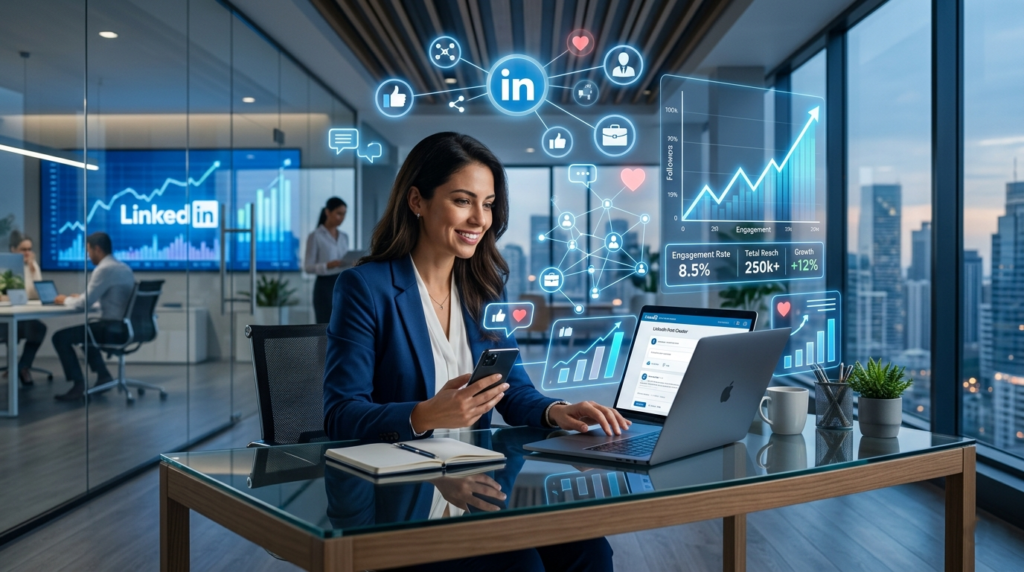
LinkedIn influencer marketing is delivering measurable results, especially in B2B sectors where trust and expertise drive decisions. Recent campaign analyses show engagement rates between 3% and 8%, significantly higher than traditional display advertising. Brands report improved brand recall and stronger audience credibility when collaborating with niche professionals today.
Data also indicates that influencer-led content generates up to two times more qualified leads compared to paid ads. Decision-makers are more likely to trust insights from industry voices, leading to higher conversion intent. Companies leveraging micro-influencers report lower costs per lead while maintaining highly targeted reach across specific professional segments.
However, results depend on strategy, consistency, audience alignment, and well-executed content marketing strategies rather than influencer size alone rather than influencer size alone. Campaigns with clear messaging and authentic storytelling outperform generic promotions. LinkedIn influencer marketing proves effective when focused on value-driven content, relationship building, and long-term positioning, making it a channel for sustainable business growth in competitive markets.
How LinkedIn Influencers Drive Real B2B Business Results
LinkedIn influencers don’t just create awareness-they move prospects through a full B2B funnel. Their content builds trust, nurtures demand, and drives conversions through consistent value, conversations, and relationship-driven engagement over time.
- Awareness (Top of Funnel): Influencers share relatable insights, industry trends, and storytelling posts that attract attention. Example: A SaaS founder posts growth hacks, reaching thousands organically and introducing their brand to new audiences.
- Credibility (Trust Building Stage): Consistent valuable content builds authority. Case studies, behind-the-scenes insights, and expert opinions position influencers as trusted voices, making audiences more receptive to their recommendations and brand associations.
- Demand (Interest & Intent Creation): Engaged audiences begin showing interest through comments, saves, and shares. Influencers promote webinars, waitlists, or lead magnets, turning curiosity into intent. Warm traffic here converts far better than cold ads.
- Conversion (Action & Revenue Stage): Conversions happen through DMs, demo bookings, and direct conversations. Example: Prospects message after a post, book calls, or join webinars. Comment sections act as live social proof, reinforcing trust instantly.
How to Find the Right LinkedIn Influencers for Your Brand
Finding the right LinkedIn influencers is not about follower count-it’s about relevance, credibility, and audience alignment. The right match ensures stronger engagement, trust, and measurable business outcomes rather than just visibility.
- Define Clear Campaign Goals: Start by identifying objectives like brand awareness, lead generation, or thought leadership. Clear goals help filter influencers whose content style and audience match your marketing outcomes effectively and consistently.
- Check Audience Relevance: Analyze whether the influencer’s audience matches your target market, including industry, job roles, and geography. Relevant audiences ensure higher engagement quality and better conversion potential for campaigns.
- Evaluate Content Quality: Review past posts for depth, originality, and value. Influencers sharing actionable insights, case studies, or professional experiences tend to drive stronger trust and meaningful audience engagement.
- Analyze Engagement, Not Followers: Focus on comments, shares, and discussions rather than follower count. High engagement signals active audiences, stronger relationships, and better chances of influencing real business decisions effectively.
- Assess Credibility & Consistency: Choose influencers who post regularly and maintain a clear niche. Consistency builds authority over time, making their recommendations more impactful and trusted by their professional audience.
- Test with Small Collaborations: Start with pilot campaigns like sponsored posts or webinars. This helps evaluate performance, audience response, and ROI before committing to long-term influencer partnerships or larger budgets.
How to Run a LinkedIn Influencer Marketing Campaign
Running a successful LinkedIn influencer marketing campaign requires structure, clarity, and collaboration. It’s not just about posting content-it’s about aligning creators, messaging, and measurable outcomes for real business impact.
- Step 1: Set Clear Campaign Goals: Define objectives like awareness, leads, or conversions. Clear goals guide influencer selection, content direction, messaging clarity, and measurable campaign success benchmarks.
- Step 2: Choose the Right Creator Type for Your Goal: Select micro, macro, or niche experts based on goals. Match audience, expertise, and influence style with your campaign objectives precisely.
- Step 3: Reach Out and Negotiate (Scripts + Templates): Use personalized outreach messages. Offer clear value, deliverables, timelines, and compensation. Keep communication professional, transparent, and mutually beneficial for long-term collaboration success.
- Step 4: Write a Strong Campaign Brief: Provide clear guidelines, messaging points, audience details, and expectations. Include examples, tone preferences, and goals while allowing flexibility for authentic creator storytelling.
- Step 5: Approve Content While Keeping Creator’s Voice: Review drafts for accuracy and alignment, but avoid over-editing. Preserve the influencer’s natural tone to maintain authenticity, trust, and audience engagement levels.
- Step 6: Launch, Monitor, and Optimize in Real Time: Track engagement, comments, and performance metrics actively. Adjust messaging, timing, or formats quickly to maximize reach, relevance, and campaign effectiveness.
- Step 7: Track Performance Beyond Just Impressions: Measure leads, conversions, demo bookings, DMs, and ROI. Focus on meaningful outcomes instead of vanity metrics for real business impact.
LinkedIn Influencer Marketing Pricing: How Much Does It Cost?
| Creator Tier | Followers Range | Cost Per Post (USD) | Video Post Cost | Campaign Cost (90 Days) | Best Use Case |
| Nano Influencers | 1K – 10K | $200 – $2,500 | $1,500 – $5,000 | $2K – $10K | Niche targeting, testing campaigns |
| Micro Influencers | 10K – 50K | $1,500 – $8,000 | $3,000 – $15,000 | $8K – $25K | Lead generation, targeted reach |
| Mid-Tier Influencers | 50K – 100K | $4,000 – $15,000 | $8,000 – $30,000 | $15K – $50K | Scalable B2B campaigns |
| Macro Influencers | 100K – 500K | $10,000 – $25,000 | $16,000 – $50,000 | $30K – $100K | Brand awareness + authority |
| Top / Authority Creators | 500K+ / CXO-level | $15,000 – $80,000+ | $20,000 – $100,000 | $30K – $150K+ | Thought leadership, enterprise deals |
Best Content Formats for LinkedIn Influencer Campaigns
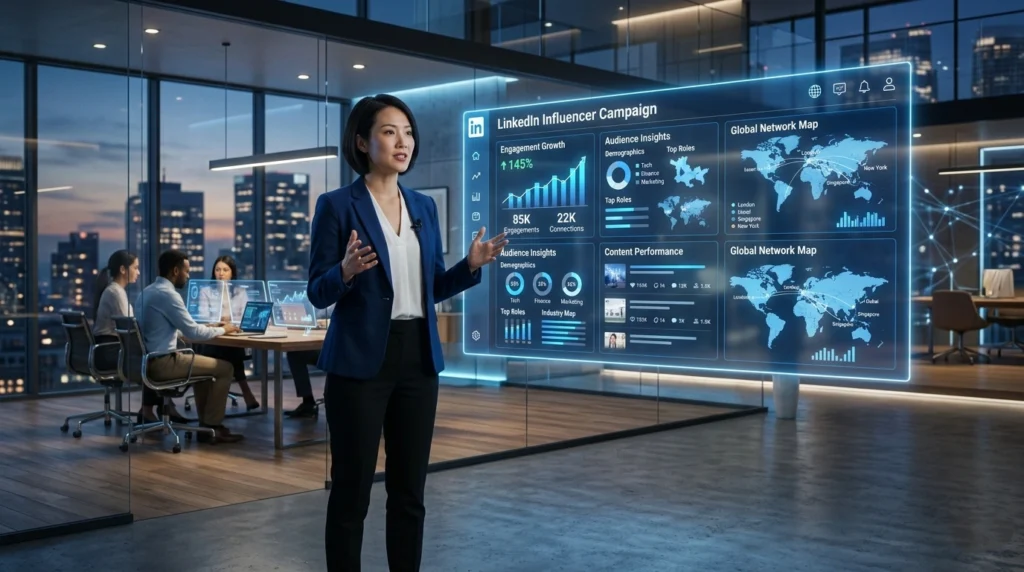
LinkedIn content formats are designed to maximise engagement, trust, and conversions across different stages of the funnel. Choosing the right format helps influencers and brands achieve specific campaign goals effectively.
1. Text-Only Posts (Hook + Story + CTA)
Text-only posts remain powerful because they are easy to consume and highly relatable. A strong hook captures attention, storytelling builds emotional connection, and a clear CTA drives engagement. Influencers use personal experiences, lessons, or contrarian opinions to spark conversations.
These posts often perform well organically due to high dwell time and comment activity. They are ideal for building authority and initiating discussions without heavy production requirements.
Why It Works & When To Use:
- High relatability drives comments and shares
- Algorithm favors meaningful conversations
- Best for: Thought leadership, storytelling, audience engagement
- Great for: Awareness and credibility stages
2. Carousels / Document Posts
Carousels allow creators to break down complex ideas into digestible slides, making them ideal for educational and value-driven content. They consistently generate high saves and shares because users can skim or deep-read at their own pace.
Influencers use them for frameworks, case studies, and step-by-step guides. Their visual structure keeps users engaged longer, boosting dwell time and increasing algorithmic reach significantly across professional audiences.
Why It Works & When To Use:
- Encourages saves and repeat views
- Simplifies complex topics visually
- Best for: Educational content, lead magnets
- Great for: Credibility and demand generation
3. Native Video (Educational, Under 90 seconds)
Short native videos are booming as LinkedIn prioritises video content. Educational clips under 90 seconds deliver quick insights, tips, or breakdowns while maintaining attention. Influencers use subtitles, strong hooks, and direct speaking styles to maximise retention.
Video builds stronger personal connection compared to text, helping audiences trust the creator faster. It is especially effective for demonstrating expertise, sharing opinions, and humanising brands in competitive industries.
Why It Works & When To Use:
- High engagement and retention rates
- Builds personal connection and trust quickly
- Best for: Explaining concepts, product insights
- Great for: Awareness and trust-building
4. LinkedIn Newsletters
Newsletters provide long-form, high-value content delivered directly to subscribers’ inboxes. They are a powerful tool for nurturing audiences over time. Influencers use them to share deep insights, industry trends, and curated knowledge.
Subscribers are highly intent-driven, making this format excellent for building loyal communities. It positions creators as consistent thought leaders while giving brands repeated exposure through valuable, ongoing communication.
Why It Works & When To Use:
- Builds loyal, recurring audience base
- Direct distribution beyond feed algorithm
- Best for: Deep insights, authority building
- Great for: Credibility and long-term nurturing
5. LinkedIn Live Collaborations
LinkedIn Live sessions enable real-time interaction between influencers and audiences. These collaborations, such as webinars, interviews, or panel discussions, create deeper engagement and trust.
Live content is highly valued because it feels authentic and interactive. Influencers often partner with brands to host discussions, demos, or Q&A sessions. This format helps answer objections instantly while building strong relationships with potential customers.
Why It Works & When To Use:
- Real-time interaction builds strong trust
- Enables direct audience engagement and Q&A
- Best for: Webinars, product demos, expert panels
- Great for: Demand generation and conversion
6. Polls + Comment-Bait Posts
Polls and interactive posts are designed to spark quick engagement and gather audience insights. They encourage users to participate with minimal effort, increasing visibility.
Comment-bait posts ask questions or opinions, driving discussions in the comment section. Tthese formats help influencers boost reach quickly while learning about audience preferences. They are often used to validate ideas, trends, or pain points.
Why It Works & When To Use:
- Low effort, high participation format
- Boosts reach through quick engagement signals
- Best for: Audience research, engagement spikes
- Great for: Awareness and demand validation
LinkedIn Influencer Marketing vs LinkedIn Ads: Which Is Better?
| Factor | LinkedIn Influencer Marketing | LinkedIn Ads |
| Core Strength | Trust & credibility | Reach & targeting |
| Buyer Perception | Authentic, expert-driven | Promotional, brand-driven |
| Engagement Type | Comments, discussions, shares | Clicks, impressions, form fills |
| Conversion Quality | High-intent, warm leads | Mixed (often colder leads) |
| ROI Potential | Up to 520% ROI in B2B campaigns | 121% ROAS on average |
| Speed of Results | Slower but compounding | Fast, immediate visibility |
| Funnel Impact | Strong across all stages | Best for awareness + retargeting |
| Targeting Control | Indirect (audience-based) | Highly precise (job title, industry) |
| Cost Structure | Flexible, creator-based | CPC/CPM based (can be expensive) |
| Scalability | Medium (relationship-driven) | High (budget-driven scaling) |
LinkedIn influencer marketing and LinkedIn Ads serve different but complementary roles in B2B growth. Influencer marketing builds trust, credibility, and engagement through authentic, expert-led content that resonates with professional audiences. In contrast, LinkedIn Ads focus on scale, offering precise targeting, predictable reach, and faster results.
While ads can quickly generate visibility and traffic, influencer content nurtures relationships and drives higher-quality, intent-driven leads. The real difference lies in perception—people trust people more than brands, making influencer marketing more effective for long-term impact.
When To Use Paid Ads Vs Creator Content
Use LinkedIn Ads when you need immediate reach, precise audience targeting, or quick campaign scaling. They are ideal for promotions, retargeting, and driving traffic to landing pages or events.
On the other hand, creator content works best when your goal is to educate, build authority, and generate warm leads over time. It is especially effective for complex B2B products where trust and understanding influence buying decisions. In practice, ads capture attention quickly, while creators build the trust needed to convert that attention into action.
Can You Combine Both?
Yes, combining both is the most effective strategy. Brands can repurpose high-performing creator posts into LinkedIn Thought Leader Ads, amplifying authentic content with paid reach. This approach merges credibility with scalability, allowing brands to promote trusted voices while targeting specific audiences.
It also improves performance metrics, as audiences respond better to real insights than direct brand messaging. By using influencer content as the foundation and ads as the amplifier, businesses can create a full-funnel system that drives awareness, engagement, and conversions more efficiently.
Common Mistakes Brands Make with LinkedIn Influencer Marketing
LinkedIn influencer marketing can deliver strong results, but many brands fail due to poor strategy and unrealistic expectations. Avoiding common mistakes helps maximize ROI, build trust, and drive meaningful B2B outcomes.
- Choosing Influencers by Follower Count Only: Brands prioritize large audiences over relevance, ignoring niche alignment. This leads to poor engagement, weak trust, and low-quality leads despite high visibility.
- Ignoring Audience Fit and Buyer Relevance: Mismatch between influencer audience and target buyers reduces campaign effectiveness. Relevance matters more than reach for generating meaningful engagement and conversions.
- Giving Scripted, Salesy Content Briefs: Over-controlling messaging kills authenticity. Audiences detect forced promotions quickly, reducing trust, engagement, and overall campaign performance significantly.
- Expecting Results from One Post Only: Single posts rarely drive impact. Consistency and repeated exposure are required to build trust, nurture demand, and generate measurable results.
- Not Tracking Off-Platform Conversions: Focusing only on likes ignores real outcomes. Brands miss tracking DMs, demo bookings, and leads generated outside LinkedIn platform.
- Overlooking Micro and Nano Creators: Smaller influencers often have stronger engagement and niche authority. Ignoring them limits cost-effective opportunities for targeted and high-quality lead generation.
- No Clear Legal Contracts or Disclosure: Skipping contracts creates risks. Updated FTC rules require transparency, disclosures, and defined deliverables to ensure compliance and avoid penalties.
- No Long-Term Strategy or Relationship Building: Treating campaigns as one-off collaborations prevents compounding results. Long-term partnerships build trust, consistency, and stronger brand positioning over time.
Best Practices for B2B LinkedIn Creator Campaigns in 2026
LinkedIn creator campaigns reward consistency, authenticity, and full-funnel thinking. Brands that treat creators as partners-not channels-see stronger engagement, better leads, and long-term pipeline growth.
- Post Consistently (3x/Week Minimum): Consistency signals quality to the algorithm. Posting at least three times weekly builds momentum, improves visibility, and keeps your brand top-of-mind with audiences.
- Use First-Person Storytelling: Content written in first-person feels human and relatable. Personal experiences, failures, and lessons create emotional connection, increasing trust and driving higher engagement rates.
- Repurpose Content into Thought Leader Ads: Amplify top-performing creator posts using LinkedIn Thought Leader Ads. This combines authenticity with paid reach, improving CTR, lowering CPC, and scaling proven content effectively.
- Build Long-Term Creator Partnerships: Avoid one-off collaborations even when using influencer marketing platforms, focus on sustained relationships over transactional campaigns. Ongoing partnerships create familiarity and trust, helping audiences move naturally from awareness to conversion over time.
- Leverage Employee Advocacy Programs: Encourage employees to engage and share creator content. This can amplify reach by 10–20x, boosting credibility through multiple trusted voices within networks.
- Focus on Value-Driven Content: Educational, insight-rich posts outperform promotional content. Prioritize solving problems, sharing expertise, and delivering actionable takeaways for your audience.
- Track DMs as a Core Conversion Metric: Direct messages signal high intent. Monitor DM volume, conversations, and responses as key indicators of campaign success beyond likes or impressions.
- Optimize Based on Real-Time Engagement: Continuously analyze comments, saves, and discussions. Adjust content style, hooks, and messaging quickly to improve performance and maximize campaign ROI.
The Future of LinkedIn Influencer Marketing (What’s Coming in 2026–2027)
LinkedIn influencer marketing in 2026-2027 will be shaped by AI-driven buyer behavior. Decision-makers increasingly use tools like ChatGPT to research vendors, compare solutions, and validate expertise before engaging with brands. This shift means creators with strong digital footprints, consistent thought leadership, and searchable insights will influence buying journeys even before direct contact. Influencers will act as “trust gateways,” helping brands get discovered organically through AI-assisted discovery channels and conversational search experiences.
At the same time, LinkedIn is pushing deeper into creator monetization, offering more tools, analytics, and incentives for professionals to build audiences. Employee advocacy is also becoming standard, as companies activate internal teams to amplify creator content at scale. This creates a hybrid model where brand, employee, and influencer voices work together to dominate reach and credibility across networks.
Looking ahead, verified analytics and cross-platform credibility scores will become essential. Brands will evaluate creators based on real influence, engagement authenticity, and measurable business impact, not vanity metrics alone.
Final Thoughts
LinkedIn creators have become a core growth engine for B2B brands, not just a marketing experiment in LinkedIn influencer marketing. They combine trust, expertise, and distribution in a way traditional channels cannot replicate. Buyers today rely on credible voices to validate decisions, making creator-led content a powerful influence across the entire funnel. From awareness to conversion, creators drive meaningful engagement, generate warm leads, and accelerate sales cycles through authentic conversations.
For business leaders, the opportunity is clear: invest in long-term creator partnerships, not one-off campaigns. Integrate influencer content with paid strategies, employee advocacy, and strong tracking systems. Measure success through pipeline impact, not vanity metrics. Brands that embrace this shift will build stronger market authority, deeper relationships, and sustainable growth. Those who ignore it risk falling behind in an increasingly trust-driven, content-first B2B landscape.
FAQs
1. What Is LinkedIn Influencer Marketing?
It’s a strategy where brands partner with professionals or industry experts to promote content, build trust, and influence B2B buying decisions.
2. How Do I Find Influencers On LinkedIn?
Search by niche keywords, analyze engagement on posts, check audience relevance, or use creator marketplaces and LinkedIn search filters strategically.
3. How Much Does LinkedIn Influencer Marketing Cost?
Costs vary widely—from a few thousand to lakhs per post—depending on audience quality, niche authority, and campaign scope.
4. Is LinkedIn Influencer Marketing Worth It For B2B?
Yes. It delivers higher-quality leads, builds trust faster, and influences decision-makers more effectively than traditional advertising in most B2B scenarios.
5. What Is The Difference Between LinkedIn Influencer And LinkedIn Top Voice?
Influencers build audiences through consistent content. Top Voice is a LinkedIn badge recognizing credibility, but not all influencers have it.
6. How Do I Measure LinkedIn Influencer Campaign ROI?
Track leads, demo bookings, DMs, conversions, and pipeline impact—not just impressions or likes—to measure real business outcomes.