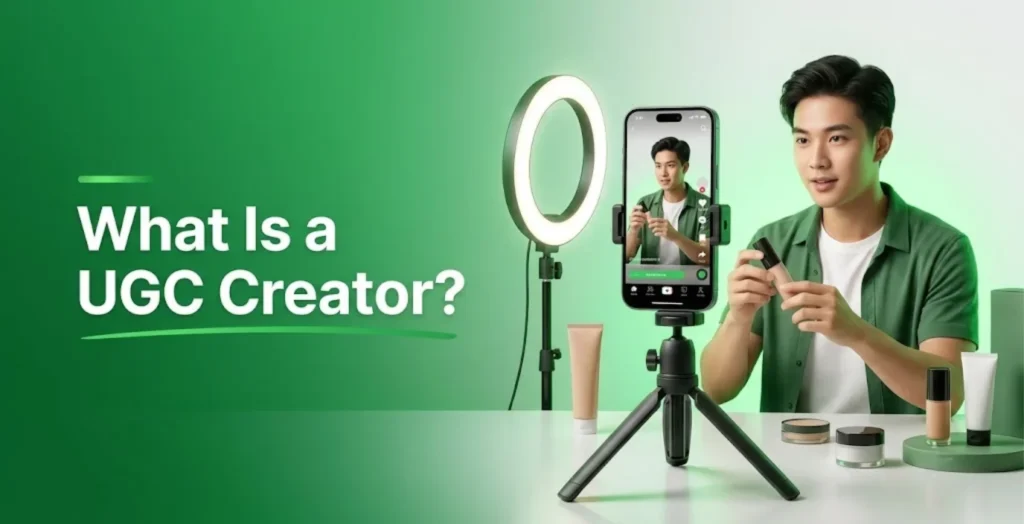
Brands have changed how they advertise. Instead of expensive studio shoots, many now rely on authentic, relatable content made by everyday people. At the center of this shift is the UGC creator, someone who produces videos, photos, and reviews that look and feel like genuine customer content. If you’ve ever wondered what the job involves, what it pays, or how to start, this guide covers it all.
What Is a UGC Creator?
UGC stands for user-generated content. A UGC creator is a person who makes content for brands, usually short-form videos, that mimics the style of a real customer sharing their honest experience. A UGC content creator typically films unboxings, product demos, testimonials, “get ready with me” clips, and before-and-after comparisons.
The key difference between a UGC creator and an influencer is the audience. Influencers are hired for their following and the reach it brings. UGC creators are hired for the content itself. The brand receives the files and publishes them on its own website, social accounts, email campaigns, or paid ads. That means you can become a UGC creator with zero followers, as long as you can produce engaging, believable content.
Why Brands Hire UGC Creators
Brands invest in UGC for several practical reasons.
Trust. Shoppers trust content that looks like it comes from real people more than polished advertising. Authentic videos tend to earn stronger engagement and better conversion rates.
Cost. Hiring a UGC creator is far cheaper than organizing a full production crew, studio, and actors.
Versatility. One piece of creator content can be reused across product pages, social ads, newsletters, and organic posts.
Volume. Modern ad platforms reward fresh creative. Brands need a steady flow of new videos to test hooks and formats, and many turn to UGC solutions that help them source, manage, and scale creator content efficiently.
What Does a UGC Creator Actually Do?
The day-to-day work follows a fairly consistent workflow:
- Receive a brief. The brand explains the product, target audience, key talking points, and preferred video style.
- Plan the content. You write a short script or outline with a strong opening hook.
- Film and edit. Most creators shoot with a smartphone and edit with apps like CapCut or InShot.
- Deliver the files. You send the finished videos, and sometimes post them from your own account if the brand requests it.
- Handle revisions. Brands may ask for tweaks to the hook, pacing, or captions.
Along the way, you’ll also deal with contracts, usage rights, and invoicing, so treating it like a small business helps.
How to Become a UGC Creator: Step by Step
1. Choose a Niche
Pick a category you understand and enjoy, such as beauty, skincare, fitness, food, tech, pets, or parenting. A clear niche makes your portfolio more focused and helps brands see you as the right fit for their products.
2. Learn How to Create UGC
Strong UGC is not about expensive production. It’s about a few fundamentals:
- Hooks: The first three seconds decide whether viewers keep watching.
- Lighting: Natural window light works well.
- Audio: Clear sound matters more than most beginners realize.
- Framing and pacing: Shoot vertically, keep shots tight, and cut out dead air.
- Authenticity: Speak naturally rather than reading like an advertisement.
Watch successful ads in your niche and study how they open, build interest, and close.
3. Gather Simple Equipment
You don’t need a studio. A recent smartphone, a tripod, a ring light or good natural light, and a basic editing app are enough to get started. Upgrade later as your income grows.
4. Build a Portfolio
Brands want proof you can deliver. Without client work yet, create sample videos using products you already own. Make a few different formats, such as a testimonial, a demo, and an unboxing, so brands can see your range. Three to five strong samples are a solid starting point.
5. Set Up Your Presence
Create a simple portfolio page or a dedicated social media profile to showcase your best work. Include a short bio, your niche, the types of content you make, and an easy way to contact you.
6. Find Brands and Opportunities
There are several ways to land work:
- Direct outreach: Email or message small and mid-sized brands with a short pitch and a link to your portfolio.
- Creator platforms and marketplaces: Many connect creators with brands looking for content.
- Social media: Brands often post casting calls, and engaging with them can lead to opportunities.
Keep pitches brief, personalized, and focused on how your content can help the brand’s goals.
7. Set Your Rates
Beginner rates vary widely, but many new creators start with modest per-video prices and raise them as their portfolio and confidence grow. Your rate should reflect more than the video itself. Consider usage rights, whether the brand will run your content as paid ads, exclusivity periods, raw footage, and extra revisions. Charging separately for these add-ons is common and fair.
Skills That Help You Stand Out
Technical skill matters, but so do professional habits.
- Storytelling: Even a 20-second video needs a beginning, middle, and end.
- Editing basics: Clean cuts, captions, and good pacing make content feel professional without feeling overproduced.
- Reliability: Meeting deadlines and communicating clearly will earn you repeat clients.
- Trend awareness: Understanding what works on TikTok, Instagram Reels, and YouTube Shorts keeps your content current.
How Much Can a UGC Creator Earn?
Income varies depending on experience, niche, and how you structure your offers. Beginners often earn modest amounts per video, while experienced creators with strong portfolios can charge significantly more. To grow earnings, consider:
- Retainers: Ongoing monthly agreements with a brand.
- Bundles: Packages of multiple videos at a set price.
- Usage licensing: Extra fees when brands run your content as ads.
- Repeat clients: Satisfied brands often return for more.
Keep in mind that results are never guaranteed. Consistent effort, a strong portfolio, and good client relationships are what build steady income over time.
Common Mistakes to Avoid
- Over-polishing: UGC works because it feels real. Too much production can hurt it.
- Underpricing: Charging too little, or giving away usage rights for free, makes it hard to grow.
- Skipping contracts: Always agree on deliverables, payment terms, and usage rights in writing.
- Ignoring feedback: Notes from brands help you improve and tailor future work.
Final Thoughts
Becoming a UGC creator is accessible, flexible, and in growing demand. You don’t need a big audience or expensive gear, just a clear niche, a willingness to learn how to create UGC, and a portfolio that shows what you can do. Start by filming one sample video this week, then build from there. When you’re ready to connect with brands or explore UGC solutions, take the next step and get started here: