
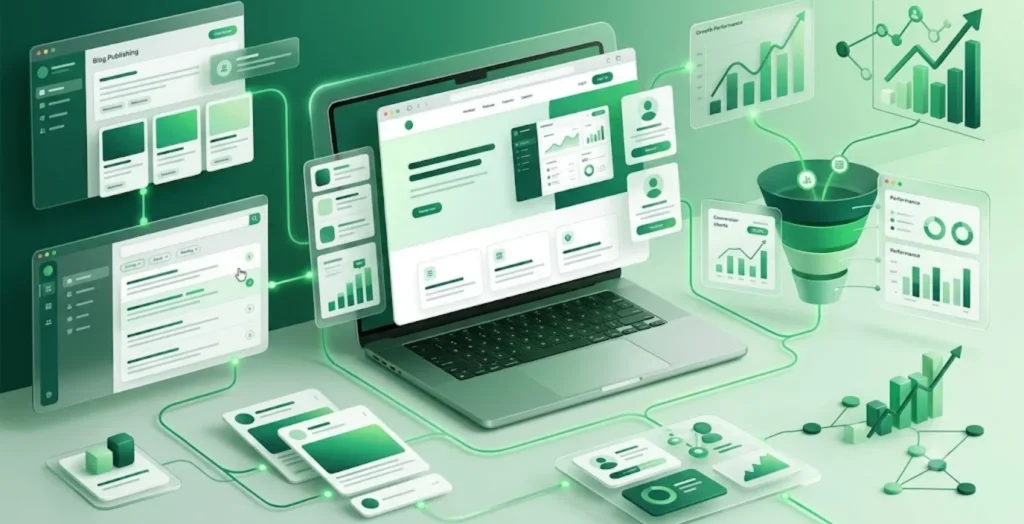
A software website has two jobs: explain what a product does and help the right people find it. Those jobs depend on more than publishing blog posts. Site structure, page speed, useful technical content and credible mentions across the web all shape how prospects discover and evaluate a company. A practical marketing plan connects these pieces instead of treating website development and content promotion as separate projects.
Start With the Audience and the Website’s Job
Before choosing a channel or commissioning a redesign, identify the people the site needs to serve. A developer comparing tools may want API documentation and implementation details. A business buyer may be looking for use cases, security information, pricing and proof that the product can solve a specific problem. If one page tries to answer every question, it can end up serving none of them well.
Map the main audiences to the pages they need. Product pages should make benefits and limitations clear; educational content can address common questions; and documentation should be easy for technical readers to navigate. Use analytics and conversations with sales or support teams to find gaps. Search queries, repeated customer questions and pages with high exits can all suggest where the experience needs attention.
Set a measurable objective for each part of the site. A product page might aim to generate qualified demo requests, while a tutorial may support organic discovery and help existing users complete a task. These goals make it easier to prioritize development work and assess whether content is contributing to business outcomes rather than simply adding page views.
Make the Site Ready to Support Marketing
Content promotion has limited value if visitors land on a slow, confusing or hard-to-use website. Review mobile layouts, navigation, forms, page speed and accessibility before increasing traffic. Check that important pages can be crawled and indexed, and that internal links help visitors move from an introductory article to relevant product information.
Technical changes should support the marketing plan. A new landing page needs a clear conversion path and accurate SERP tracking tool. A resource library needs a structure that makes related material easy to find. If the site is built on a platform such as Wix, decide whether the current templates and integrations can handle the requirements before adding custom functionality. When a project needs development work, define the expected outcomes, scope and acceptance criteria first.
For Wix Studio projects, for example, a hiring brief should explain what the site needs to do, whether Velo or other custom features are involved, and how the finished work will be tested. Osdire’s guide to hiring a Wix developer covers cost considerations and questions to ask; those details can help a marketing team compare proposals without treating the lowest quote as the best fit.
Use Technical Content to Earn Attention
Software companies have an opportunity to publish material that is genuinely useful to practitioners: implementation walkthroughs, integration explanations, troubleshooting advice and clear comparisons of approaches. The strongest pieces answer a real question with enough detail that a reader can apply the information. Product mentions should appear only where they help explain the topic.
That same standard should guide outreach. A guest article is more likely to reach the right audience when the publication serves a relevant technical community and the proposed topic fits its readers. Rather than sending a generic pitch to every site, look for blogs that publish work on software development, engineering workflows or related subjects. A directory of software guest-posting sites can help marketers identify potential publications to research. Check each site’s audience, editorial standards and recent articles before deciding whether it belongs in a campaign.
Measure outreach by more than the number of placements. Consider referral visits, engagement from relevant readers, branded search activity and whether the content leads to meaningful conversations. A link may contribute to discovery, but relevance and editorial quality matter more than publishing at scale on sites that have little connection to the intended audience.
Coordinate Development, Content and Measurement
Marketing and development teams should agree on how changes will be requested, reviewed and released. A content calendar that depends on landing pages or new site features needs realistic lead times. Likewise, developers need a clear brief when a marketing request involves forms, tracking, redirects or page templates. Shared priorities reduce last-minute changes and help teams avoid breaking existing journeys while launching new ones.
Set up measurements before a campaign goes live. Confirm that analytics events reflect useful actions, such as completing a form or starting a trial, and document how each action is defined. Use consistent campaign tags for outreach links, and establish a baseline for traffic and conversions. Review performance over a suitable period; a newly published article may take time to attract search traffic, while referral visitors may arrive sooner.
Finally, treat the plan as a cycle. Review what people search for, which pages help them take the next step and where technical friction appears. Update content when product details or user needs change, and prioritize site improvements based on evidence. When a software website is built for its audience and its promotion is selective, development and marketing reinforce each other: the site gives useful content a place to convert, while that content gives the site more ways to be discovered.