
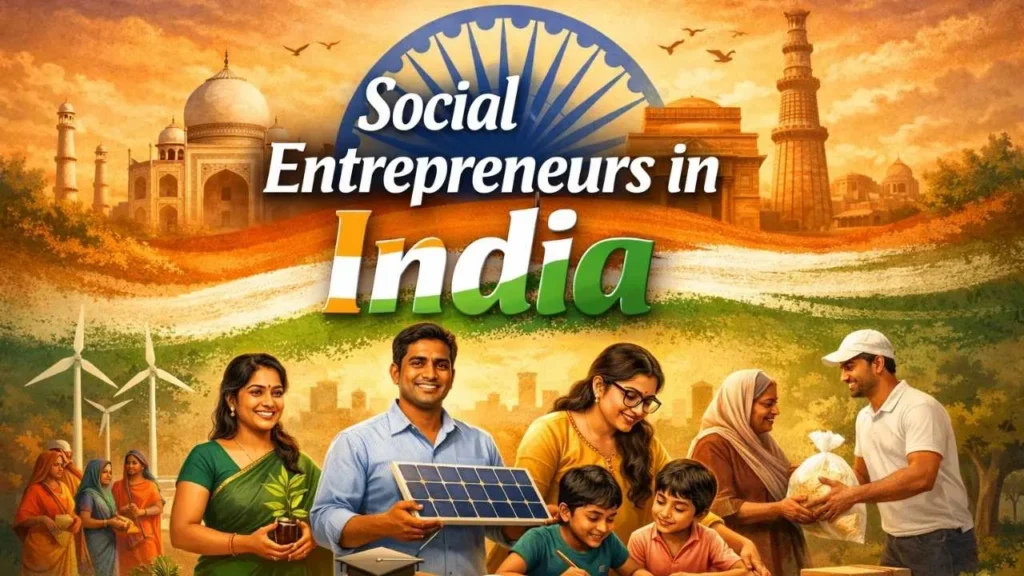
India is currently experiencing a different type of business which is beneficial to people. They are not normal charities that are supported by donations. They are self-employed and earn money, but the primary goal is to make society a better place.
To get an idea of how large this movement will be by 2025, consider these facts:
- 2 million+ Social Entrepreneurs in India. They are small village groups up to large tech startups.
- $8B Capital: The impact-investing market of India is projected to receive nearly $8 Bn in capital annually through to 2025.
- 500 Million Lives: This number pertains to all social enterprises in India and they have assisted over 500 million people in health, education and finances.
- 3rd Largest Ecosystem: The third-largest startup hub in the world is India. Approximately 23 per cent of new startups are social impact-based.
What Is Social Entrepreneurship?
In straightforward language, social entrepreneurship applies the startup thinking and business tools in addressing social, cultural, or environmental issues.
Imagine it this way: A common businessman will look at a dry desert and come up with the idea of selling bottled water. The same desert looks at a social entrepreneur who thinks, I can construct a solar-powered well so that everybody can have water forever.
In India, there are different types of Social Entrepreneurs.
- The Non-Profit: It applies business practices to ensure that its charity operates more efficiently and sustainably.
- The Hybrid Model: These segments comprise non-profit and for-profit components that complement one another.
- Social Business Venture: These are for-profit organisations whose primary aim is to address a social issue, such as the sale of low-cost sanitary pads.
You Might Like:
List of 20 Social Entrepreneurs in India (2026 List)
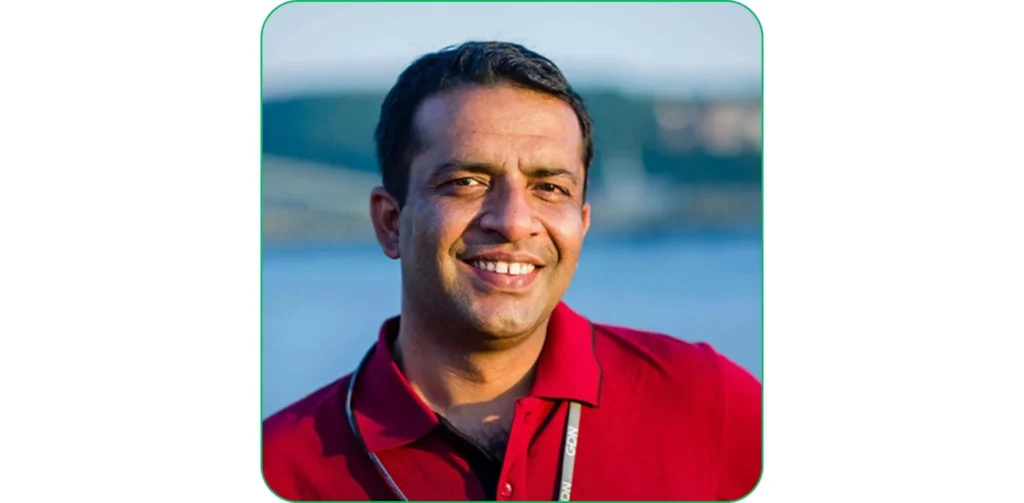
1. Anshu Gupta
- Role: Founder
- Group: Goonj
Anshu Gupta is the so-called Clothing Man of India and one of the most respected Social Entrepreneurs in India. He changed how we see charity. He did not give out old clothes but used them to create a rural development tool. Goonj uses used cloth as a material. Under the program, the villagers build bridges or excavate wells, and receive kits of clothes and other necessities in the Cloth for Work. This maintains their honor and their society is better.
- Problems They Identified: He observed that clothing is something minimal that disaster and development agencies do not put much attention on because they concentrate on food and shelter.
- Solution & Innovation: He developed a circular economy in which the waste generated in cities is converted into money to compensate rural laborers in building development projects.
- Recognition and Credibility: Ramon Magsaysay Award
- Why they are among the top social entrepreneurs: He changed charity to exchange in dignity.
Also Read: Top Young Entrepreneurs in India
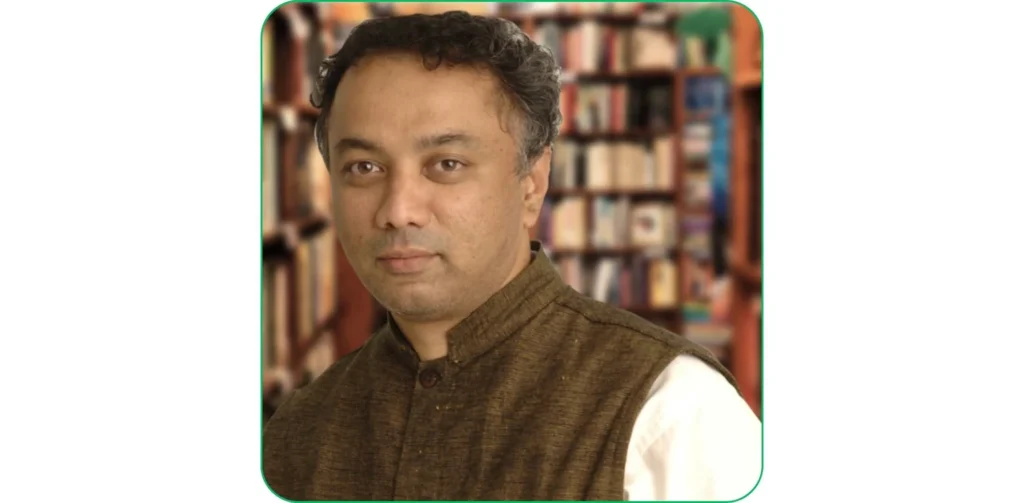
2. Harish Hande
- Role: Co‑Founder
- Group: SELCO India
Harish Hande brought solar energy to the poor. He started SELCO to demonstrate that low-income individuals are able to purchase and keep solar items should the business concept be appropriate. SELCO markets solar panels and also provides energy services to street vendors, farmers and students. Through cooperating with local banks, Hande was able to make loans affordable to such a level that even the very poor people were able to purchase a solar lamp.
- Problems They Identified: There were millions of energy-poor Indians in India, who were burning dangerous and costly kerosene lamps.
- Solution & Innovation: He created tailor-made solar products and connected them to micro-finance to make the green energy affordable.
- Recognition and Credibility: Ramon Magsaysay Award winner.
- Why they are among the top social entrepreneurs: He is the first to pioneer rural energy sustainability in India.
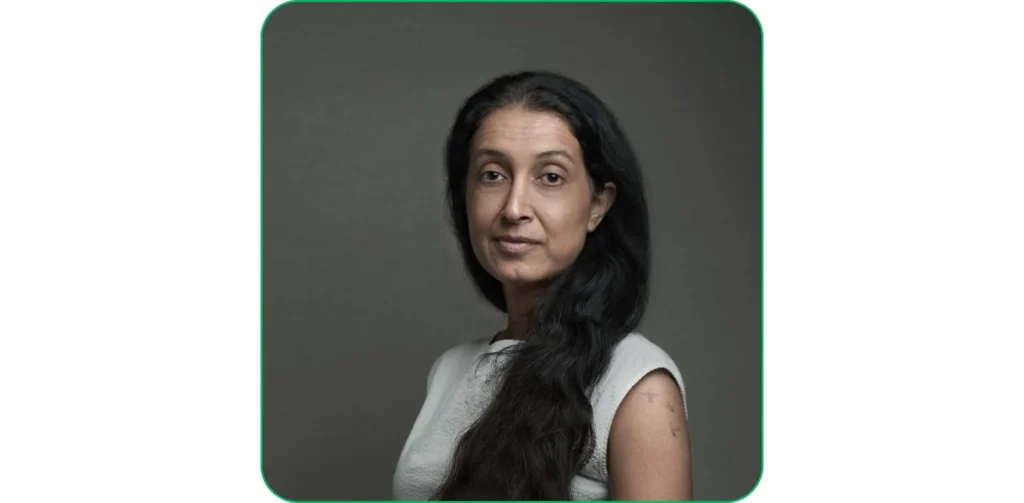
3. Shaheen Mistri
- Role: Founder
- Groups: Teach For India / Akanksha Foundation.
Shaheen Mistri is a fighter against education gaps in India and one of the most influential Social Entrepreneurs in India, dedicating more than thirty years of her life to this cause. She began the Akanksha Foundation, which provided after-school tutoring, and later founded Teach For India (TFI). TFI recruits some of the most talented college graduates and professionals in India to work for two years, teaching full-time in low-income schools. This fellowship model has built a strong movement of young leaders committed to ending educational inequality.
- Problems They Identified: There is a massive difference in the quality of education between affluent children and those in government or low-income schools.
- Solution & Innovation: She developed a leadership pipeline (TFI Fellows) to infuse the most underserved classrooms with talent and passion.
- Recognition and Credibility: Global Ashoka Fellow.
- Why they are among the top social entrepreneurs: She created an army of leaders in the education system of India.
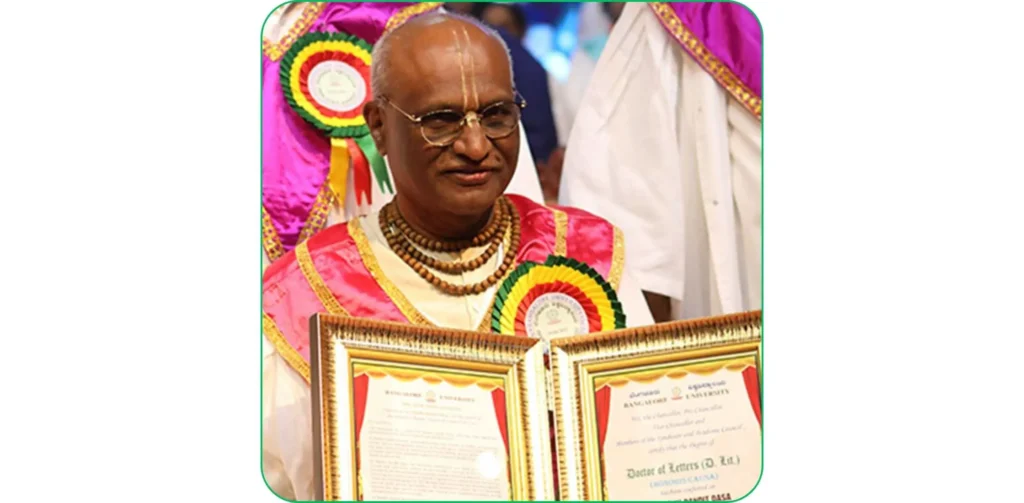
4. Madhu Pandit Dasa
- Designation: Chairman
- Organisation: Akshaya Patra Foundation
Madhu Pandit Dasa is the genius behind the largest mid-day meal program run by an NGO and is widely regarded as one of the most impactful Social Entrepreneurs in India. Under his leadership, Akshaya Patra operates high-tech, centralized kitchens to prepare fresh and nutritious meals for millions of school children every day. The efficiency is remarkable—one kitchen can prepare nearly 100,000 meals within a few hours. This ensures children stay in school, as the meal is often the only consistent source of food they receive.
- Problems They Identified: The identified problem was high dropout rates and poor cognitive development in children due to classroom hunger.
- Solution & Innovation: Applied industrial engineering to food service, making mega-kitchens that deliver high-quality food at an extremely low unit price.
- Recognition and Credibility: Padma Shri awardee.
- Why they are among the top social entrepreneurs: His scale with quality models is the world standard of social programs.
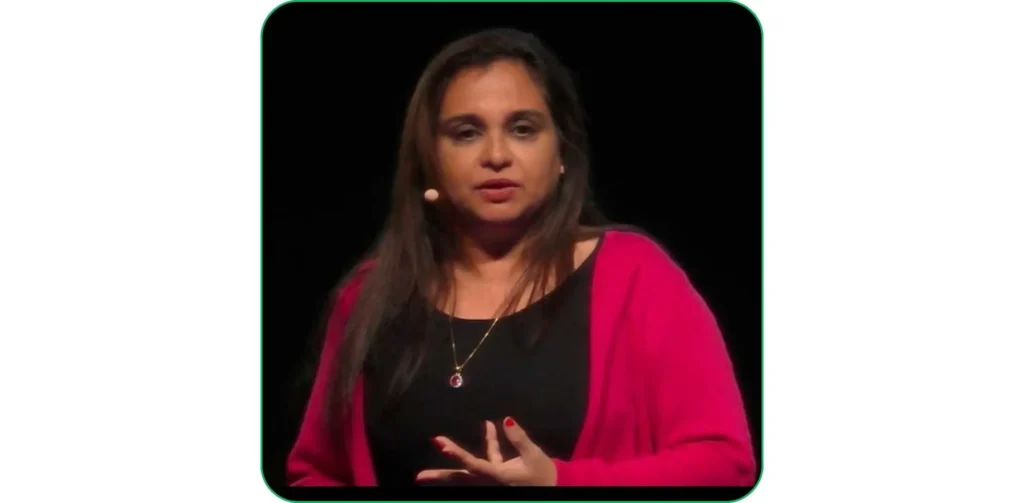
5. Jeroo Billimoria
- Designation: Founder
- Business: Childline India / CYFI.
The reason behind this is that Jeroo Billimoria is a serial social entrepreneur who dedicated her life to protecting children. Her best known work, Childline, is the first 24-hour toll-free emergency telephone line in India provided to children under distress. It does not matter whether it is a child being sent into labor or a foundling on a railways station, they call it 1098. Her attention has also been drawn much on the issue of financial inclusion among the young people and how to save and use money to stop the poverty circle.
- Problem They Identified: There was no means of taking help or calling the authorities in case of an emergency situation by vulnerable children on the streets.
- Solution & Innovation: Constructed a national emergency response system (1098) which links street children to direct police, medical and social assistance.
- Recognition and Credibility: Winner of Skoll Award of Social Entrepreneurship.
- Why They are among them top social entrepreneurs: She developed the greatest safety net of the millions of street children in India.
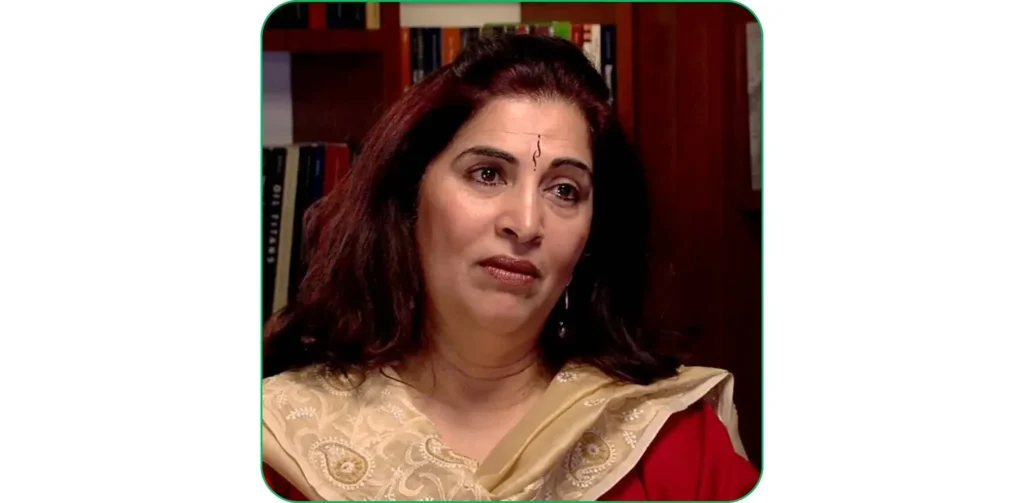
6. Urvashi Sahni
- Designation: Founder
- Business: Study Hall Educational Foundation (SHEF)
Urvashi Sahni is one of the top experts on girls’ education and gender equality and is widely recognized among top Social Entrepreneurs in India. She has reached more than 100,000 girls face-to-face and millions more through her curriculum via SHEF. Her school model, Prerna, is built on Critical Dialogues, where girls openly discuss gender, rights, and social justice. This approach goes beyond textbooks, empowering girls from slums and villages to stand against child marriage and work toward achieving their dreams.
- Problem They Identified: The conventional education was not assisting girls to transcend social and patriarchal solutions that continued to oppress them.
- Solution and Innovation: Has come up with a modified curriculum known as the Social-Political curriculum, where life skills and gender rights are incorporated in the regular subjects of the school curriculum.
- Recognition and Credibility: Social Entrepreneur of the Year (Schwab Foundation).
- Why they are among the top social entrepreneurs: She is changing education into a social revolution.
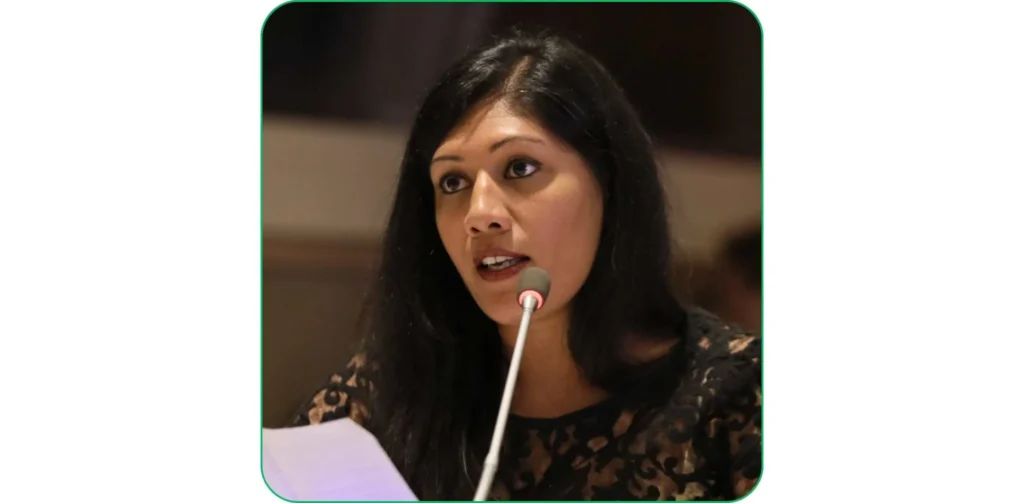
7. Ajaita Shah
- Designation: Founder & CEO
- Business: Frontier Markets.
Ajaita Shah is enabling the forgotten women of India. Her firm, Frontier Markets, educates rural women (known as Saral Jeevan Sahelis) to be entrepreneurs who market clean energy devices such as solar lights and efficient stoves to the rural populations they serve. It is a win-win: the rural families obtain life-transforming products, and the local women earn some income and obtain a social status of the so-called technology-savvy heads of their villages.
- Problem They Identified: This problem is that rural markets are difficult to access (the last mile), and rural women are frequently marginal from economic opportunities.
- Solution & Innovation: Developed a tech-powered “last-mile” distribution channel, which is fully run by rural women.
- Recognition and Credibility: Forbes 30 Under 30 and other awards across the world.
- Why they are among the top social entrepreneurs: She helped thousands of women and solved the delivery issue, known as the last mile.
8. Sunil Bharti Mittal
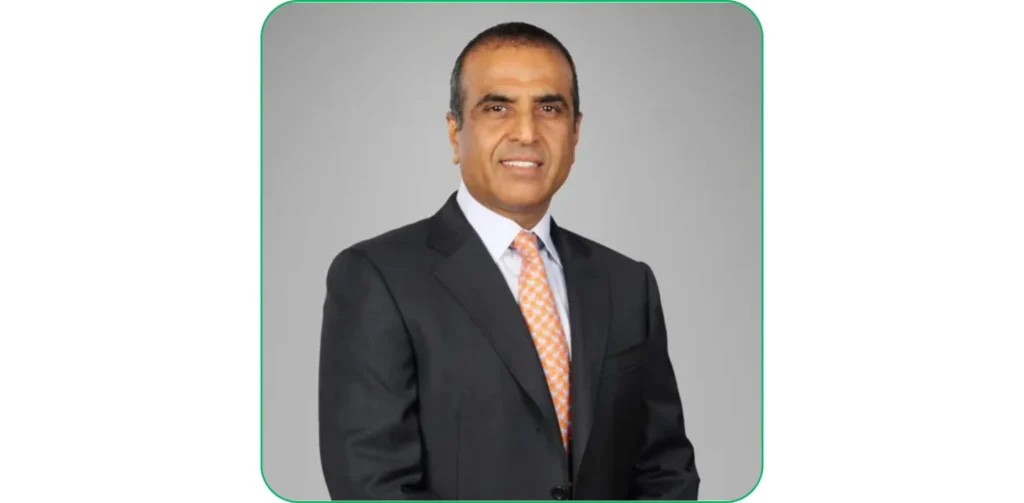
- Position: Founder and Chairman.
- Business: Bharti foundation.
Sunil Mittal is well known as the force behind Airtel and is also counted among influential Social Entrepreneurs in India for his contributions through the Bharti Foundation. The Satya Bharti Schools program provides free, quality education to children in deep rural areas of India. Its focus is on holistic development, including computer literacy and English—areas often missing in village schools. The program also offers mid-day meals and free uniforms, motivating even the poorest families to enroll their children in school.
- Problem They Identified: The inadequate quality of education in the rural government schools was reducing the prospects of the youth in the villages.
- Solution & Innovation: Developed a huge system of so-called Satya Bharti schools where the management is in corporate style, which is efficient and quality-assured.
- Recognition and Credibility: Padma Bhushan.
- Why they are among the top social entrepreneurs: He employed his business wealth to develop a good educational infrastructure among the poor.
9. Ria Sharma

- Designation: Founder
- Company: Make Love Not Scars.
Ria Sharma is a youthful changemaker who has embarked on one of the most vicious crimes in India; acid attacks. The author is the founder of her organisation, Make Love Not Scars, and it is aimed at the full rehabilitation of survivors. These involve paying for surgeries that are costly, psychological counselling, and vocational training. She is also the owner of the Resurrections, a cafe and a center where survivors can work and socialize without perceiving that they are judged and regaining their lives and self-esteem.
- Problem Identified: The victims of acid attacks were usually ostracised by the community, and they could not afford various reconstructive surgeries.
- Solution & Innovation: developed a comprehensive assistance program that integrates funding of medical expenses and a platform to alter the attitude of the population toward survivors.
- Recognition and Credibility: UN Women Global Goals Award.
- Why they are among the top social entrepreneurs: She made a taboo issue a national concern and helped survivors speak up.
10. Bindeshwar Pathak
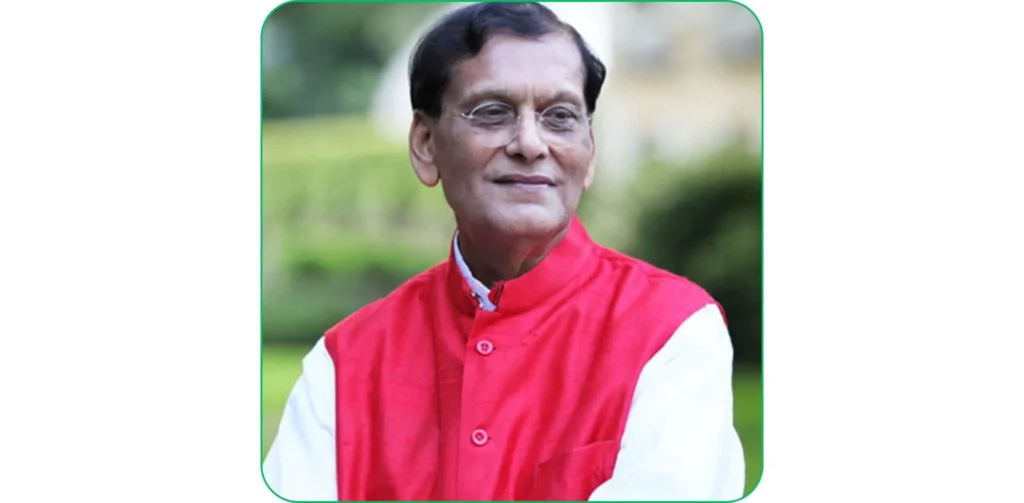
- Designation: Founder
- Organisation: Sulabh International
Known as the Toilet Man of India, Bindeshwar Pathak devoted his life to improving sanitation and ending manual scavenging, earning recognition as one of the most impactful Social Entrepreneurs in India. He invented the Sulabh Shauchalaya, a low-cost, twin pour-flush toilet that is environmentally friendly and does not require manual cleaning. Beyond sanitation, he worked to remove the social stigma around toilets and helped many former manual scavengers find dignified livelihoods in areas such as tailoring and food processing.
- Problem Identified: Sanitation was a major health hazard, and manual scavenging was a human rights violation.
- Solution & Innovation: Designed an easy-to-use, cheap toilet and developed a self-sustainable business of public toilets.
- Recognition and Credibility: Padma Bhushan and Stockholm Water Prize.
- Why they are among the top social entrepreneurs: He had pioneered the sanitation movement in India decades before the government was interested in it.
11. Sumita Ghose
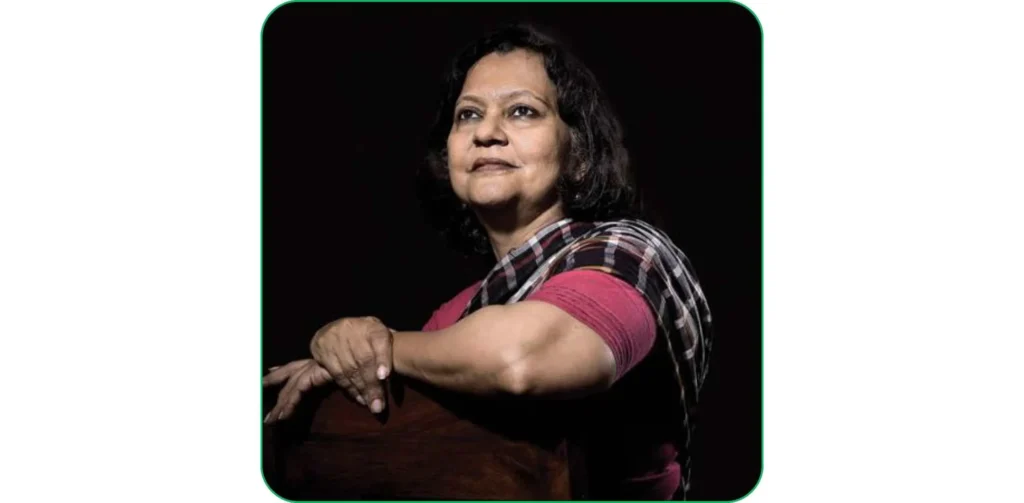
- Position: Founder and Managing Director.
- Company: Rangsutra Crafts India.
Sumita Ghose is an idealist who thinks that India has to make use of its traditional artisans, rather than merely labourers. Rangsutra is a social enterprise that was started by her and owns over 3,000 artisans who are from all over India, mainly women. She ensures that the rural artisans are paid a fair price by connecting the rural craftspeople with premium retail brands such as FabIndia. Her work has rediscovered the art forms that are on the verge of death and provided thousands of families with a steady income every month in far-flung locations.
- Problem Identified: the rural artisans were exploited by middlemen, and there was no direct access to urban or foreign markets, which resulted in extreme poverty.
- Solution & Innovation: It was a producer-owned company in which artisans are shareholders and thus receive fair wages and share the profits.
- Recognition & Credibility: Nari Shakti Puraskar by the President of India.
- Why they are among the top social entrepreneurs: She transformed the image of the starving artist into a successful business model that is sustainable.
12. Piyush Tewari
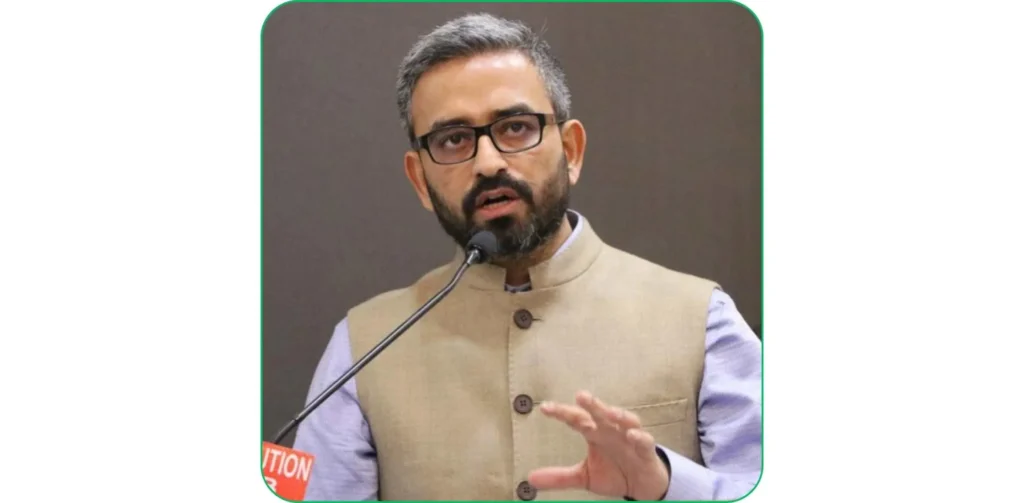
- Designation: Founder & CEO
- Company: SaveLIFE Foundation.
After losing a cousin in a road accident where no one came forward to help, Piyush Tewari left a successful career in private equity to tackle India’s road safety crisis. He is widely recognized as one of the impactful Social Entrepreneurs in India. His organization, SaveLIFE Foundation, works on two fronts: law reform and human training. He led the creation of the Good Samaritan Law, which protects people who help accident victims from legal trouble. His team also works on Zero Fatality Corridors, using data and engineering solutions to make dangerous roads safer.
- Problem Identified: India has the greatest number of road fatalities on the planet, and many of the victims die due to the fear of police intervention by the bystanders.
- Solution & Innovation: Data-driven road engineering and combined legal advocacy to develop a systemic solution to road deaths.
- Recognition & Credibility: Named a Rolex Award Associate Laureate and a GQ Man of the Month Social Impact.
- Why They Are One of the best Social Entrepreneurs: He used a personal tragedy to establish a national movement which has saved thousands of lives annually.
13. Dr. G. Venkataswamy
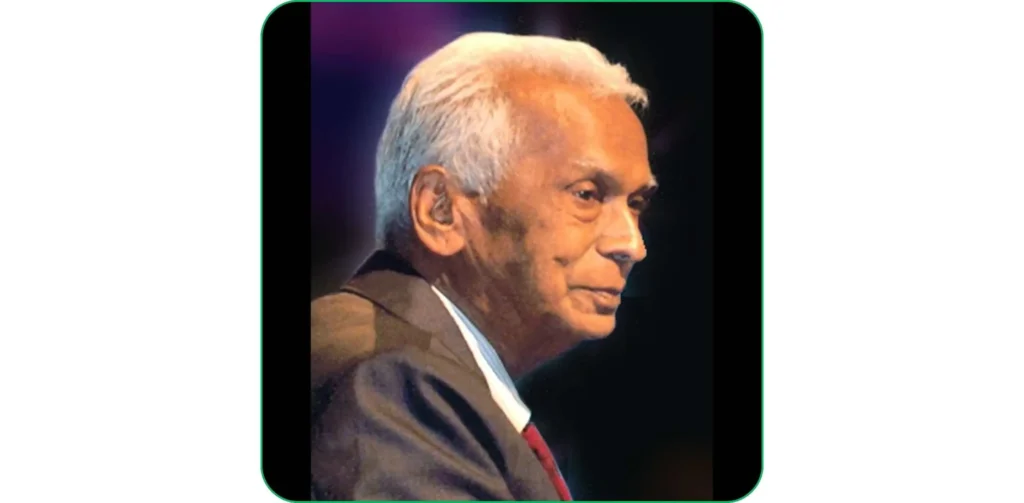
- Designation: Founder (Legacy)
- Company: Aravind Eye Care System.
He is referred to as Dr. V and is the founder of the Aravind Eye Care, which he started to eradicate avoidable blindness. He took the efficacy formula of McDonald and applied it to the eye surgery. Aravind will be able to provide high-quality cataract surgeries within a short time by standardising the process. Their business model is clever: the rich patients pay a fee, which is used to subsidise free or low-priced treatment of the poor. Aravind is to date the largest eye care organisation in the world, serving more than 32 million patients today with millions of surgeries, most of which are free.
- Problem Identified: Millions of poor Indians were made blind by cataracts due to the impossibility of having a simple 10-minute operation, as they could not afford it.
- Solution & Innovation: Established a high-volume, low-cost cross-subsidy, in which the rich subsidise the poor.
- Recognition & Credibility: Padma Shri Awarded; the organisation was a case study at Harvard Business School.
- Why They Are Among the Best Social Entrepreneurs: He showed that the highest level of quality healthcare is possible to be provided to the poorest people on a large scale.
14. Chetna Gala Sinha
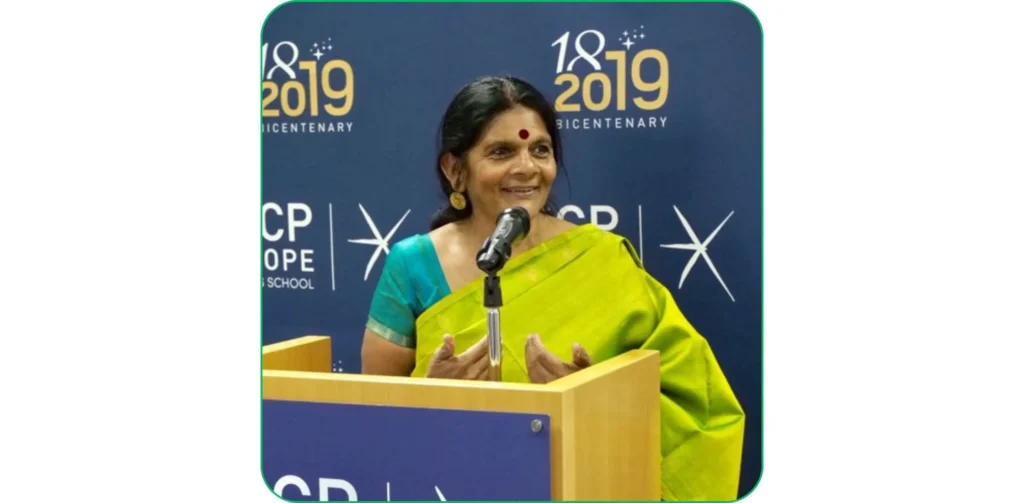
- Designation: Founder and Chairperson.
- Company: Mann Deshi Mahila Bank.
Chetna Gala Sinha is a powerful advocate for rural women’s empowerment and is widely regarded as one of the leading Social Entrepreneurs in India. When a local woman was denied a bank loan simply because she had no official account, Chetna took action by founding a women-run, women-focused bank. Mann Deshi Mahila Bank became the first rural women-oriented financial bank in India to receive a cooperative license from the RBI. Beyond banking, it offers loans and mobile “business schools on wheels” that travel to villages, teaching women how to earn, run a business, use digital payments, and build savings.
- Problem Identified: Women in rural areas were not served by the formal banking system because they lacked collateral or were illiterate.
- Solution & Innovation: A door-to-door banking model and financial literacy programs targeting the informal rural female economy have been developed.
- Recognition & Credibility: World Economic Forum (Davos) Co-chair and Forbes India Leadership Award winner.
- Why They Are Among the Best Social Entrepreneurs: In this regard, she shattered the glass ceiling in the country’s finance sector and provided thousands of women with financial freedom.
15. Vinayak Lohani
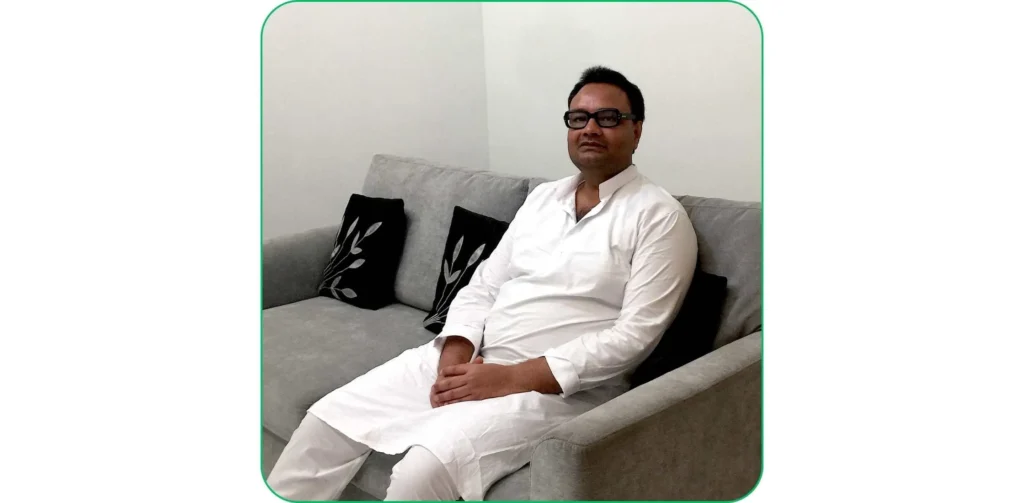
- Designation: Founder
- Organisation: Parivaar
Vinayak Lohani decided to serve rather than accept a corporate job in the life of an Indian billionaire after graduating from IIT Kharagpur and IIM Calcutta. He began Parivaar, which is currently among the largest residential children programs in India, among those with tricky backgrounds. This involves orphans, children of sex workers and tribal children. Parivaar does not just provide a roof, but good educational opportunities and a home-like environment until the child has reached an age where he or she is able to complete a career. Now it is the biggest such mission in West Bengal and Central India.
- Problem Identified: Children on the fringes of society tend to commit crimes or work due to a lack of a home or education.
- Solution & Innovation: To replace conventional, poorly managed orphanages, it developed a large, high-quality residential school system.
- Recognition & Credibility: National Award of Child Welfare, President of India.
- What makes them one of the best Social Entrepreneurs: He demonstrated that a single person could provide thousands of homeless children with a family (parivaar).
16. Aditya Kulkarni

- Designation: Co‑founder
- Company: CareMother (CareNexus).
Aditya Kulkarni is the founder of a technology-driven social enterprise focused on maternal health and is recognized as an innovative Social Entrepreneur in India. His CareMother platform combines a mobile application with a portable medical device to support health workers in examining pregnant women in remote communities. The kit enables multiple tests to be conducted at home, with results shared instantly with physicians. Acting as an early warning system, it identifies high-risk pregnancies before they become critical. By effectively bringing hospital-level care to villages far from medical facilities, Aditya is helping reduce maternal and infant mortality.
- Problem Identified: In rural India, a lot of pregnant women die due to avoidable issues as they are unable to receive regular check-ups.
- Solution and Innovation: Created a kit of a portable clinic and an AI-powered mobile prenatal care platform at the doorstep.
- Recognition & Credibility: Queen Young Leaders Award and the United Nations Lead2030 award winner.
- Why They Are Among the Best Social Entrepreneurs: He employs current technology to address one of the most ancient health issues in India.
17. Safeena Husain
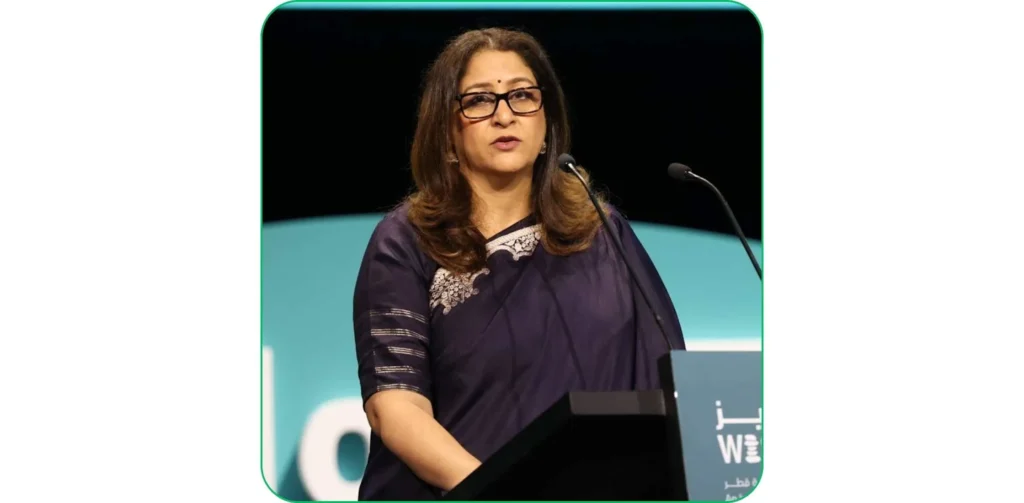
- Designation: Board of Directors (Executive Director)
- Organisation: Educate Girls
Safeena Husain intends to make sure that every girl in India attends school and studies. Her Educate Girls organisation applies data to identify the places where girls are discriminated against. She engages thousands of village volunteers, known as Team Balika, to go to the homes and persuade parents to send their daughters. In addition to enrolling, she collaborates with the government to raise the quality of education. Safeena was also the first in the world to issue a so-called “Development Impact Bond” in education, which demonstrated that social change could be measured and invested in like a business.
- Problem Outlined: Millions of rural girls are kept out of school due to extreme cultural prejudice and poverty.
- Solution and Innovation: Combined behavioural science and data mapping to identify and enrol out-of-school girls and applied new social financing approaches.
- Recognition & Credibility: WISE Prize for Education and Skoll Award.
- Why They Are Among the Best Social Entrepreneurs: She has transformed the education of thousands of girls in thousands of villages.
18. Sonam Wangchuk
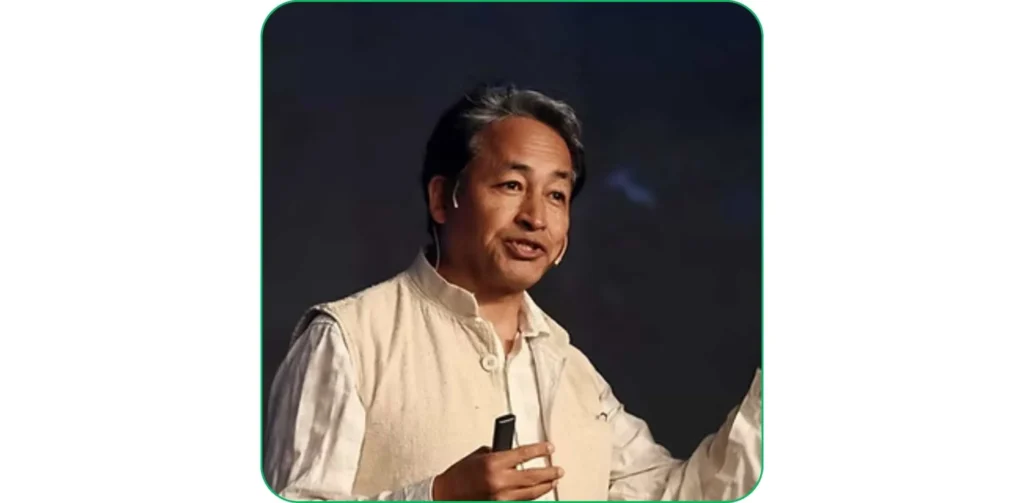
- Designation: Founder and Director.
- Organization: Himalayan institute of alternatives (HIAL)
Sonam Wangchuk is an engineer who believes that education should be practical and suited to its environment, and he is widely recognized as a top Social Entrepreneur in India. He is best known for creating the Ice Stupa—an artificial glacier that stores winter water for use during the dry spring months. He also founded the SECMOL school, which runs on solar power and is built using local mud. His latest initiative, the HIAL project, is a university where students learn by doing, solving real-world problems such as climate change and sustainable tourism.
- Problem Identified: The existing school system was unsuccessful at serving mountain youngsters, and climate change brought severe water shortages.
- Solution & Innovation Invented low-cost eco-technologies, including the Ice Stupa and an original context-based model of education.
- Recognition & Credibility: Winner of the Ramon Magsaysay Award and the Global Award to Sustainable Architecture.
- Why They are among the Best Social Entrepreneurs: He is an international figure of green living and an educator.
19. Neelam Chhiber
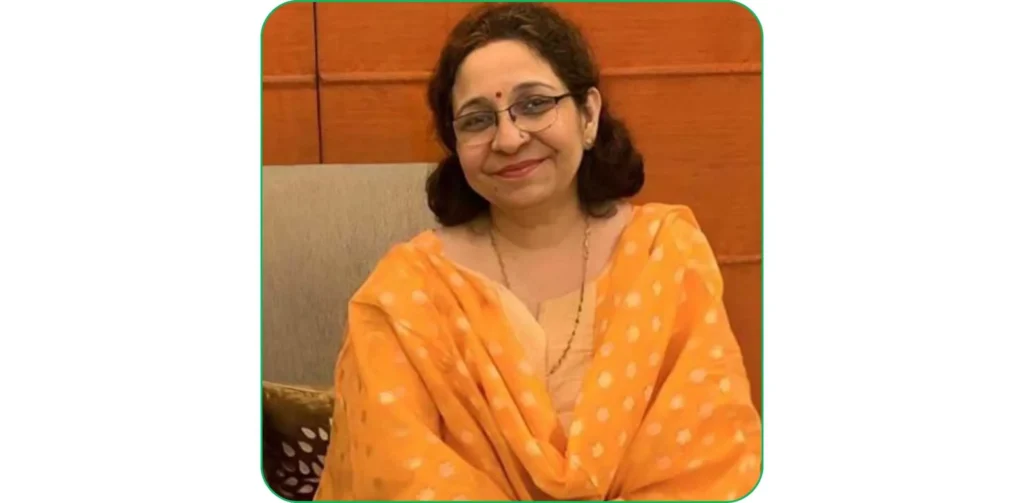
- Designation: Co-founder/Managing Trustee.
- Organisation: Industree Foundation.
Neelam Chhiber is a person who has dedicated over 25 years to construct economic systems among rural women. Her Industree Foundation assists female artisans to create Producer Companies. These women are the owners of the factories, rather than an employer. Neelam trains them on the use of modern machines and identifies them with the global brand such as IKEA. This strategy allows women to leave day labor with no security and acquiring ownership-based employment, which is a voice into the global supply chain.
- Problem Identified: The women in the handicraft sector were not organised, modern, nor were they well paid due to the middlemen.
- Solution & Innovation: Developed a full-scale incubation program which provides training, capital and market access to women-owned cooperatives.
- Recognition and Credibility: Won a name as a Social Entrepreneur of the Year at both Schwab Foundation and the World Economic Forum.
- Why They Are Among the Best Social Entrepreneurs: She pioneered the professionalisation of the craft sector and also gave women power by owning.
20. Hanumappa Sudarshan
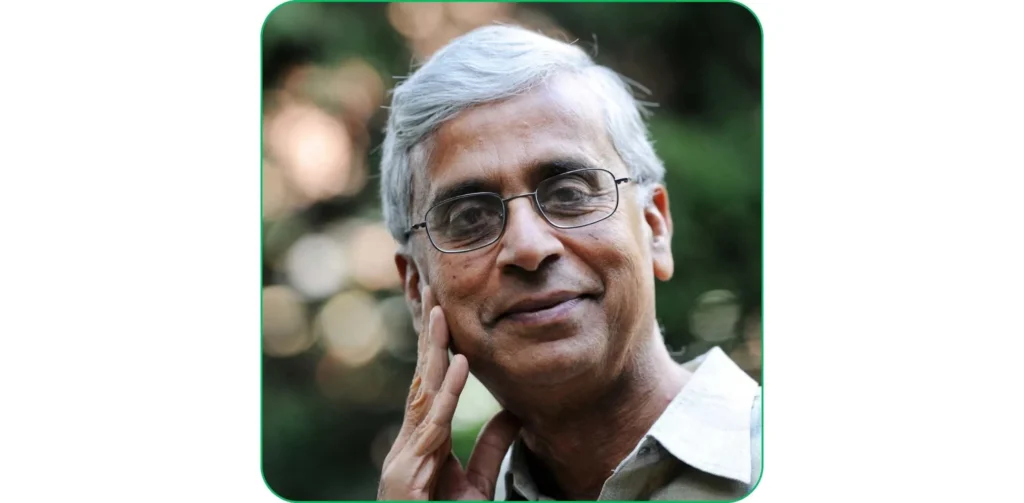
- Designation: Founder
- Organisation: Karuna Trust / VGKK
Dr. Sudarshan is a tribal activist and physician who has devoted his life to serving the Soliga tribes of Karnataka and is widely regarded as an influential social entrepreneur in India. He realized that providing free medicine alone was not enough—the entire healthcare system needed to be transformed. The Karuna Trust, which he founded, became the first healthcare institution to implement a Public-Private Partnership (PPP) model. By reviving abandoned government Primary Health Centres (PHCs) and running them with corporate-level efficiency and commitment, Karuna Trust now operates dozens of PHCs across multiple states, delivering quality healthcare to some of the country’s poorest communities.
- Problem Identified: There has been a tendency to make the government health centres in the remote and tribal areas non-functional, which results in no medical assistance to the poor citizens.
- Solution and Innovation: Developed a model of having a government structure run by an NGO that is held accountable to provide 24/7 quality care.
- Recognition & Credibility: Right Livelihood Award (Alternative Nobel Prize) and Padma Shri.
- Why They Are Among the Top Social Entrepreneurs: He has been able to fill the void between government funding and effective service delivery to the lowest of the low.
Marketing 7 Ps in Social Entrepreneurship.
In social business, there is no product that you simply sell, but a mission.
- Product: A fix to a social issue (a $10 solar lamp).
- Price: It has to be competitive and reasonable at the bottom of the pyramid, but it should be high enough to sustain the business.
- Location: It is usually a distant village or slum where there is no traditional shops.
- Promotion: Earning the confidence of society and not merely using television advertisements.
- People: Hiring within the community in which you are attempting to assist.
- Process: The manner in which the service is offered (ex: mobile clinics).
- Evidence (Impact): Presenting actual information of lives transformed to lure investors.
How to be a Social entrepreneur in India.
- Find a Pain Point: Do not search a business idea, search a problem, which makes you angry or sad.
- Get on the Ground Reality: Have some time on the ground. Know the reason why the problem exists.
- Create a low-cost, scaled-down version of your solution: Build an MVP.
- Select a Legal Structure: Select whether you would like to become a Section 8 company (non-profit) or a Private Limited (profit).
- Network: Network with incubators such as Villenovate, Villgro or T-Hub.
Finance and Resources of Social Entrepreneurs.
- Impact Investors: Social businesses are targeted by such firms as Aavishkaar Capital and Elevar Equity.
- CRS Grants: Indian firms are legally bound to allocate 2,000 per cent of their profits to the social good. You have an opportunity to sell to such companies as HCL, Infosys or Tata.
- Government Schemes: Investigate Startup India Seed Fund and SSE.
- Crowdfunding: platforms such as Milaap and Ketto are particularly effective for social projects in their initial stages.
Difficulties that Social Entrepreneurs encounter in India.
- Measuring Impact: Counting money is a simple task, but it is difficult to demonstrate the extent to which a person’s life was improved.
- Funding Gap: Social businesses are considered too risky by traditional banks.
- Talent Acquisition: You cannot attract top talent when you are unable to compensate them with Google-level wages.
- Regulatory Hurdles: It is tiring to navigate the paperwork for non-profits and foreign funding (FCRA).
Conclusion
The real architects of New India are social entrepreneurs. They show that you do not need to make a living or make a difference. It is these 20 individuals (and thousands more) who are creating a future where profit intertwines with purpose, starting with the provision of clean water and the education of the girl child.
It is not the time to start your social entrepreneurship in India, and you have a passion for change.
FAQs
Are social entrepreneurship and the NGO synonymous?
Not exactly. An NGO depends on donations. A social entrepreneur tends to sell a product/service to sustain itself.
Is it possible that a social entrepreneur can be a profit maker?
Yes! Profitability is encouraged as it enables the business to expand and serve more people without having to wait until they are given charity.
Do I require a degree to become one?
No. Although an MBA comes in handy, the majority of social entrepreneurs do well due to the fact that they possess strong empathy and a never-give-up spirit.
So what is the Social Stock Exchange?
It is an additional stock exchange in India where socially inclined businesses can be listed to attract funds raised by the populace much like in the conventional stock market.