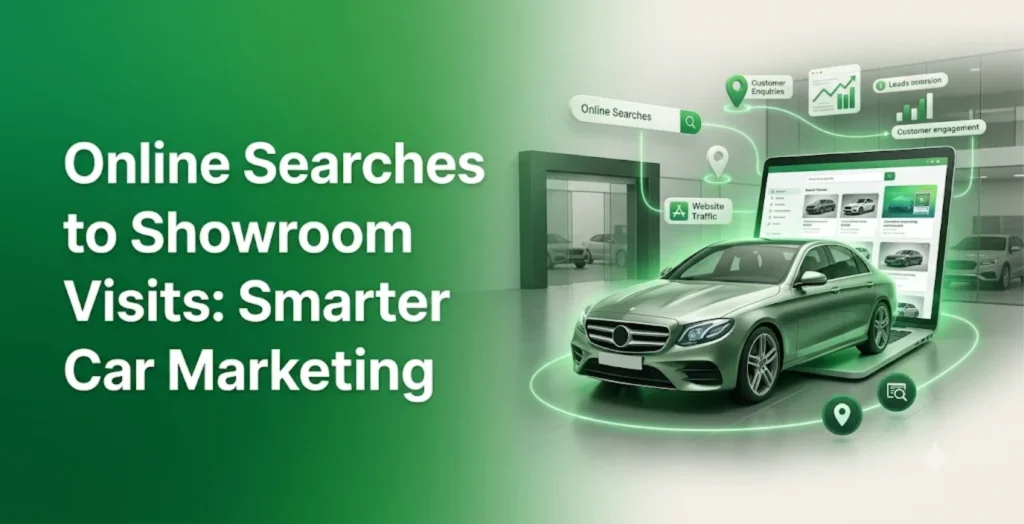
Buying a car used to begin with a trip to the local dealership. Today, most customers have already spent considerable time researching vehicles online before they ever speak to a salesperson. They’ve compared prices, watched reviews, explored financing options, and narrowed down their choices, often without leaving home.
For dealerships, this creates both an opportunity and a challenge. Attracting visitors to a website is important, but those visitors need a compelling reason to take the next step and visit the showroom.
Understand What Car Buyers Are Searching For
Not everyone searching for a vehicle is ready to buy immediately. Some people are comparing models, while others want information about running costs, financing, or trade-in values.
Understanding these different intentions helps dealerships create content that answers genuine customer questions. Detailed vehicle descriptions, transparent pricing, and useful buying guides can all make the research process easier.
An effective automotive digital marketing strategy should connect these online interactions with meaningful inquiries, test-drive bookings, and dealership visits rather than focusing entirely on website traffic.
Make Local Visibility a Priority
Car buyers frequently search for dealerships within a reasonable distance of home. Appearing in relevant local search results can therefore make a significant difference to the number of potential customers discovering a business.
Dealerships should keep their Google Business Profile accurate, including opening hours, contact information, and location details. Encouraging genuine customer reviews can also help prospective buyers feel more confident about visiting.
Location-specific website content is another useful approach, particularly for dealerships serving several surrounding communities.
The aim is to make finding the dealership straightforward when customers are ready to explore their options in person.
Also Read: Digital Marketing Tools
Give Customers a Reason to Visit
A website shouldn’t simply display available vehicles. It should help customers understand what they can gain from visiting the showroom.
Clear invitations to book a test drive, discuss financing, or arrange a vehicle appraisal can encourage visitors to take action.
These options should be easy to find on mobile devices, as many customers research vehicles using their phones.
Avoid complicated inquiry forms that demand unnecessary information. A straightforward booking process makes it easier for interested buyers to get in touch.
Use Follow-Ups Without Becoming Pushy
Not every customer who submits an inquiry will be ready to visit immediately. Some may need time to compare vehicles, discuss their budget, or arrange financing.
Thoughtful follow-up communication can keep the dealership in consideration without making customers feel pressured.
Personalized emails about relevant inventory, helpful answers to questions, and reminders about requested appointments can all support the buying process. The emphasis should remain on providing useful information rather than sending repeated promotional messages.
Measure What Happens After the Click
Website visits and advertising impressions provide useful information, but they don’t tell the whole story.
Dealerships should also monitor inquiries, appointment bookings, test-drive attendance, and completed sales to understand which marketing activities generate meaningful results.
Connecting online campaigns with showroom activity makes it easier to identify successful approaches and improve those that aren’t performing.
Build Trust Before Customers Arrive
Turning online interest into showroom visits requires more than attractive advertisements. Customers want accurate information, convenient communication, and confidence that their time will be respected.
Dealerships that make researching, comparing, and arranging visits easier can create a smoother experience from the first online search to the showroom floor.
When digital marketing supports the way people actually shop for cars, a website becomes more than an online catalog. It becomes a practical starting point for lasting customer relationships.