
With more than 110 unicorn businesses valued at more than $1 billion apiece, India has grown to become one of the biggest startup ecosystems in the world, according to Startup India. Indian businesses like Flipkart, BYJU’S, and Zomato have fundamentally altered how people shop, learn, travel, and place food orders in recent years. Thanks to growing internet users, digital payments, and strong investor interest, India is currently one of the world’s leading startup hotspots.
These unicorn firms are intriguing since many of them started out with modest teams and straightforward concepts before developing into billion-dollar businesses. Indian businesses, ranging from banking and SaaS to e-commerce and health tech, are addressing practical issues, generating employment, and drawing international investment. In this blog, we will explore some of the top unicorn startups in India, their growth journeys, and the key factors behind their success.
What Are Unicorn Startups?
A unicorn startup is a privately owned startup companies valued at over $1 billion. The term “unicorn” is used because such companies were once considered extremely rare, but today they have become an important part of the global startup ecosystem.
These startups are usually driven by innovation, rapid growth, strong technology adoption, and high investor confidence. Unlike publicly listed companies, unicorn startups remain privately held while reaching massive valuations through funding rounds from venture capitalists and investors. India has witnessed significant growth in unicorn startups across sectors like fintech, ecommerce, SaaS, edtech, and healthtech.
Many companies featured in the list of unicorn startups in India have transformed traditional industries through digital solutions and scalable business models. Their success reflects India’s growing entrepreneurial ecosystem, increasing internet penetration, and rising demand for technology-driven services across both domestic and global markets.
How Many Unicorn Startups Are There in India in 2026?
India is home to more than 110 unicorn startups in 2026, making it one of the largest startup ecosystems in the world.
The country ranks among the top global hubs for unicorn creation, alongside the United States and China, driven by strong digital adoption, venture capital funding, and rapid innovation across industries like fintech, SaaS, ecommerce, and AI. Indian startup companies such as Flipkart, Paytm, Zomato, Swiggy, PhonePe, Razorpay, Meesho, Ola, Dream11, and OYO have gained global attention for building scalable, technology-driven solutions with massive market potential.
The number of unicorn startups continues to change frequently as new companies achieve billion-dollar valuations while others go public, merge, or experience valuation shifts based on market conditions.
Complete List Of Unicorn Startups In India
Below is a comprehensive list of major unicorn startups in India across industries such as fintech, ecommerce, SaaS, edtech, logistics, healthtech, AI, and consumer technology.
| Startup Name | Founder | Year Founded | Industry | Valuation |
| Flipkart | Sachin Bansal, Binny Bansal | 2007 | Ecommerce | $37B+ |
| BYJU’S | Byju Raveendran | 2011 | EdTech | $22B+ |
| OYO | Ritesh Agarwal | 2013 | Hospitality | $9B+ |
| Razorpay | Harshil Mathur, Shashank Kumar | 2014 | Fintech | $7.5B+ |
| Swiggy | Sriharsha Majety, Nandan Reddy | 2014 | Food Delivery | $10B+ |
| Zomato | Deepinder Goyal | 2008 | FoodTech | $5B+ |
| CRED | Kunal Shah | 2018 | Fintech | $6.4B+ |
| Zerodha | Nithin Kamath | 2010 | Fintech | $3.6B+ |
| Meesho | Vidit Aatrey, Sanjeev Barnwal | 2015 | Ecommerce | $4.9B+ |
| PharmEasy | Dharmil Sheth, Dhaval Shah | 2015 | HealthTech | $5.6B+ |
| Unacademy | Gaurav Munjal | 2015 | EdTech | $3.4B+ |
| Dream11 | Harsh Jain, Bhavit Sheth | 2008 | Fantasy Sports | $8B+ |
| Pine Labs | Amrish Rau | 1998 | Fintech | $5B+ |
| Udaan | Sujeet Kumar, Amod Malviya | 2016 | B2B Ecommerce | $3B+ |
| BharatPe | Ashneer Grover, Shashvat Nakrani | 2018 | Fintech | $2.8B+ |
| CoinDCX | Sumit Gupta, Neeraj Khandelwal | 2018 | Crypto Exchange | $2.2B+ |
| Groww | Lalit Keshre | 2016 | Fintech | $3B+ |
| Urban Company | Abhiraj Singh Bhal, Varun Khaitan | 2014 | Home Services | $2.8B+ |
| Delhivery | Sahil Barua | 2011 | Logistics | $4B+ |
| Lenskart | Peyush Bansal | 2010 | Eyewear Retail | $5B+ |
| boAt | Aman Gupta, Sameer Mehta | 2016 | Consumer Electronics | $1.4B+ |
| Moglix | Rahul Garg | 2015 | B2B Ecommerce | $2.6B+ |
| Chargebee | Krish Subramanian | 2011 | SaaS | $3.5B+ |
| BrowserStack | Ritesh Arora, Nakul Aggarwal | 2011 | SaaS | $4B+ |
| Postman | Abhinav Asthana | 2014 | SaaS | $5.6B+ |
| Infra.Market | Aaditya Sharda, Souvik Sengupta | 2016 | Construction Tech | $2.5B+ |
| Ola | Bhavish Aggarwal | 2010 | Mobility | $7B+ |
| Freshworks | Girish Mathrubootham | 2010 | SaaS | $13B+ |
| OfBusiness | Asish Mohapatra | 2015 | B2B Commerce | $5B+ |
| Nykaa | Falguni Nayar | 2012 | Beauty Ecommerce | $7B+ |
| Upstox | Ravi Kumar | 2009 | Fintech | $3.5B+ |
| ShareChat | Ankush Sachdeva | 2015 | Social Media | $5B+ |
| Dailyhunt | Virendra Gupta | 2007 | Content Platform | $5B+ |
| BlackBuck | Rajesh Yabaji | 2015 | Logistics | $3B+ |
| Acko | Varun Dua | 2016 | InsurTech | $1.1B+ |
| Cars24 | Vikram Chopra | 2015 | AutoTech | $3.3B+ |
| Spinny | Niraj Singh | 2015 | AutoTech | $1.8B+ |
| FirstCry | Supam Maheshwari | 2010 | Baby Products Ecommerce | $3B+ |
| Mamaearth | Varun Alagh, Ghazal Alagh | 2016 | D2C Beauty | $1.5B+ |
| Rebel Foods | Jaydeep Barman | 2011 | Cloud Kitchen | $1.4B+ |
| GlobalBees | Nitin Agarwal | 2021 | Ecommerce Aggregator | $1.1B+ |
| Open | Anish Achuthan | 2017 | Fintech | $1B+ |
| Livspace | Ramakant Sharma | 2014 | Home Interiors | $1.2B+ |
| NoBroker | Amit Kumar Agarwal | 2014 | Real Estate | $1B+ |
| MPL | Sai Srinivas | 2018 | Gaming | $2.5B+ |
| Games24x7 | Bhavin Pandya | 2006 | Gaming | $2.5B+ |
| Darwinbox | Chaitanya Peddi | 2015 | HRTech | $1B+ |
| Eruditus | Ashwin Damera | 2010 | EdTech | $3.2B+ |
| LeadSquared | Nilesh Patel | 2011 | SaaS | $1B+ |
| XpressBees | Amitava Saha | 2015 | Logistics | $1.5B+ |
| ElasticRun | Saurabh Nigam | 2016 | Supply Chain | $1.5B+ |
| Zepto | Aadit Palicha, Kaivalya Vohra | 2021 | Quick Commerce | $1.4B+ |
| DealShare | Sourjyendu Medda | 2018 | Ecommerce | $1.6B+ |
| Purplle | Manish Taneja | 2012 | Beauty Ecommerce | $1.1B+ |
| CoinSwitch | Ashish Singhal | 2017 | Crypto Exchange | $1.9B+ |
| PolicyBazaar | Yashish Dahiya | 2008 | InsurTech | $3B+ |
| Paytm | Vijay Shekhar Sharma | 2010 | Fintech | $16B+ |
| PhonePe | Sameer Nigam | 2015 | Fintech | $13B+ |
| InMobi | Naveen Tewari | 2007 | AdTech | $10B+ |
| Snapdeal | Kunal Bahl, Rohit Bansal | 2010 | Ecommerce | $1B+ |
| Practo | Shashank ND | 2008 | HealthTech | $1B+ |
| Capillary Technologies | Aneesh Reddy | 2008 | SaaS | $1B+ |
| Perfios | Sabyasachi Goswami | 2008 | Fintech SaaS | $1B+ |
| CredAvenue | Gaurav Kumar | 2020 | Fintech | $1.3B+ |
| Stashfin | Tushar Aggarwal | 2016 | Fintech | $1B+ |
| CarDekho | Amit Jain | 2008 | AutoTech | $1.2B+ |
| Shiprocket | Saahil Goel | 2012 | Logistics | $1.3B+ |
| Apna | Nirmit Parikh | 2019 | Hiring Platform | $1.1B+ |
| LEAD School | Sumeet Mehta | 2012 | EdTech | $1.1B+ |
| Amagi | Baskar Subramanian | 2008 | MediaTech | $1.4B+ |
| Hasura | Tanmai Gopal | 2017 | SaaS | $1B+ |
| HighRadius | Sashi Narahari | 2006 | Fintech SaaS | $3B+ |
| Zenoti | Sudheer Koneru | 2010 | SaaS | $1.5B+ |
| Fractal Analytics | Srikanth Velamakanni | 2000 | AI & Analytics | $1B+ |
| Innovaccer | Abhinav Shashank | 2014 | HealthTech SaaS | $3B+ |
| Mensa Brands | Ananth Narayanan | 2021 | Ecommerce Aggregator | $1.2B+ |
| Skit.ai | Sourabh Gupta | 2016 | AI Voice Automation | $1B+ |
| Porter | Uttam Digga | 2014 | Logistics | $1B+ |
| BlueStone | Gaurav Singh Kushwaha | 2011 | Jewellery Ecommerce | $1B+ |
| Khatabook | Ravish Naresh | 2018 | Fintech | $1B+ |
| Yabi | Gaurav Kumar | 2020 | Fintech | $1.5B+ |
| Curefoods | Ankit Nagori | 2020 | FoodTech | $1B+ |
| Ola Electric | Bhavish Aggarwal | 2017 | EV | $5B+ |
| Ather Energy | Tarun Mehta | 2013 | EV | $1.3B+ |
| Digit Insurance | Kamesh Goyal | 2016 | InsurTech | $3.5B+ |
| Vedantu | Vamsi Krishna | 2011 | EdTech | $1B+ |
| CoinTab | Various | 2021 | Fintech | $1B+ |
| MobiKwik | Bipin Preet Singh | 2009 | Fintech | $1B+ |
| Uniphore | Umesh Sachdev | 2008 | Conversational AI | $2.5B+ |
| RateGain | Bhanu Chopra | 2004 | SaaS | $1B+ |
| Whatfix | Khadim Batti | 2014 | SaaS | $1.5B+ |
| Icertis | Samir Bodas | 2009 | SaaS | $5B+ |
| Simpl | Nitya Sharma | 2015 | Fintech | $1B+ |
| Ninjacart | Thirukumaran Nagarajan | 2015 | AgriTech | $1B+ |
| Classplus | Mukul Rustagi | 2018 | EdTech | $1B+ |
| OneCard | Anurag Sinha | 2018 | Fintech | $1B+ |
| Pocket FM | Rohan Nayak | 2018 | Audio Platform | $1B+ |
| Wakefit | Ankit Garg | 2016 | Furniture D2C | $1B+ |
| Droom | Sandeep Aggarwal | 2014 | Auto Ecommerce | $1B+ |
| Ola Krutrim | Bhavish Aggarwal | 2023 | AI | $1B+ |
| HealthifyMe | Tushar Vashisht | 2012 | HealthTech | $1B+ |
| MapmyIndia | Rakesh Verma | 1995 | Mapping Tech | $1B+ |
| Fampay | Sambhav Jain | 2019 | Fintech | $1B+ |
| Slice | Rajan Bajaj | 2016 | Fintech | $1B+ |
| Zetwerk | Amrit Acharya | 2018 | Manufacturing Tech | $2.7B+ |
| Dukan | Suumit Shah | 2020 | Ecommerce SaaS | $1B+ |
| Teachmint | Mihir Gupta | 2020 | EdTech | $1B+ |
| ElasticRun | Saurabh Nigam | 2016 | Rural Commerce | $1.5B+ |
| Infracloud | Various | 2016 | CloudTech | $1B+ |
List Of Top 15 Unicorn Startups in India by Valuation
1. Flipkart
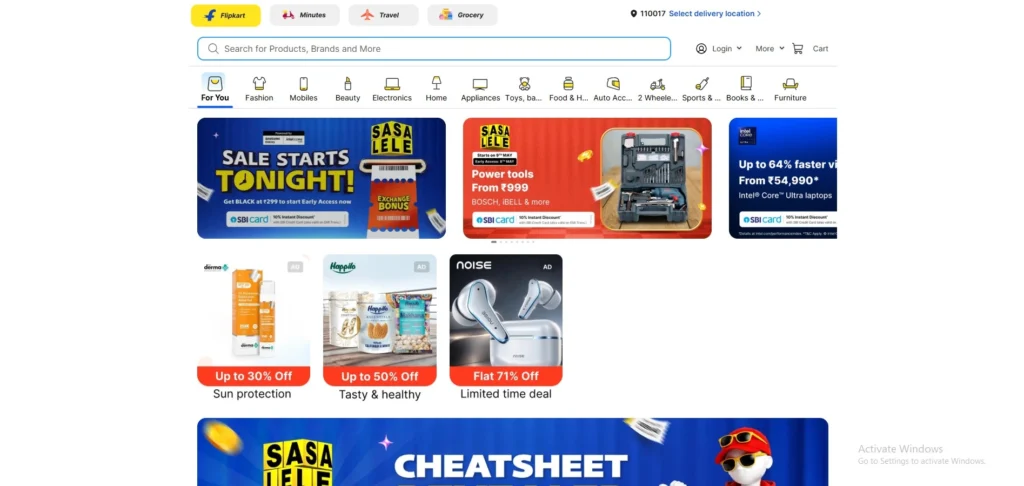
Flipkart is one of India’s largest ecommerce companies, offering products across electronics, fashion, groceries, and lifestyle categories. Founded in Bengaluru, it transformed online shopping in India through affordable pricing, fast delivery, and massive festive sales.
Key Details
- Founder– Sachin Bansal, Binny Bansal
- Year- 2007
- Valuation– $37B+
Why Unicorn
Flipkart achieved unicorn status due to rapid ecommerce adoption in India and strong investor backing. Its large customer base, logistics network, and acquisition by Walmart accelerated its growth significantly.
Highlights
- Acquired by Walmart in one of India’s biggest startup deals
- Popularized online shopping festivals like Big Billion Days
- Expanded into fintech, grocery delivery, and quick commerce
2. BYJU’S

BYJU’S is an Indian edtech platform providing online learning programs for school students and competitive exams. The company became globally recognized for making digital education interactive and accessible.
Key Details
- Founder– Byju Raveendran
- Year- 2011
- Valuation– $22B+
Why Unicorn
BYJU’S grew rapidly because of increasing demand for online education and personalized learning and the rising use of online tools for students. The pandemic further accelerated adoption of digital classrooms and remote education platforms.
Highlights
- Expanded globally through acquisitions like Aakash and Great Learning
- Built one of the world’s largest edtech user bases
- Partnered with major sports events for global branding
3. OYO
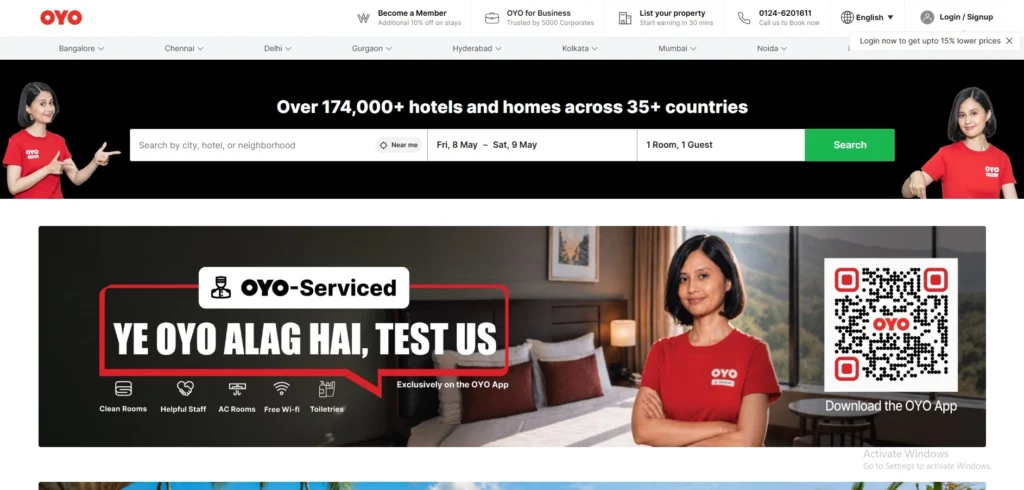
OYO Rooms is a hospitality and hotel aggregation platform that standardizes budget accommodations across cities and countries. It uses technology to improve hotel operations and customer experience.
Key Details
- Founder- Ritesh Agarwal
- Year- 2013
- Valuation- $9B+
Why Unicorn
OYO became a unicorn by solving the problem of affordable and standardized hotel stays. Its aggressive expansion strategy and tech-enabled hospitality model fueled rapid international growth.
Highlights
- Expanded operations across Asia, Europe, and the US
- Built one of the largest hotel networks globally
- Introduced smart hotel management technology solutions
4. Razorpay
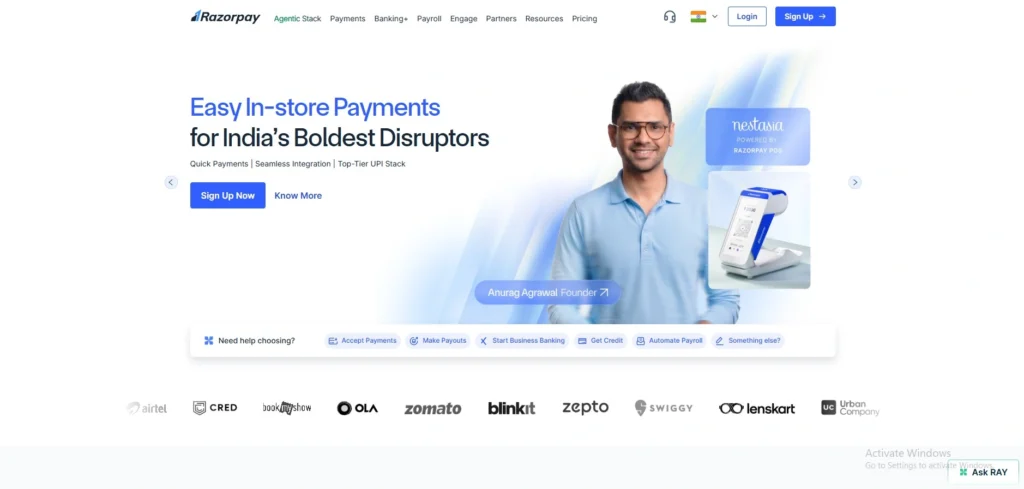
Razorpay is a fintech company providing digital payment solutions for businesses, startups, and ecommerce brands. It simplifies online transactions, subscriptions, and payment processing.
Key Details
- Founder– Harshil Mathur, Shashank Kumar
- Year– 2014
- Valuation– $7.5B+
Why Unicorn
The rapid growth of digital payments and online businesses in India drove Razorpay’s success. Its easy-to-integrate payment infrastructure attracted startups and enterprises alike.
Highlights
- Processes billions in digital transactions annually
- Expanded into payroll, banking, and lending services
- Supports thousands of Indian startups and SMEs
5. Swiggy

Swiggy is one of India’s leading food delivery and quick-commerce platforms. It connects customers with restaurants and grocery services through a strong logistics network.
Key Details
- Founder– Sriharsha Majety, Nandan Reddy
- Year– 2014
- Valuation– $10B+
Why Unicorn
Swiggy benefited from rising food delivery demand, urban convenience culture, and smartphone penetration. Its fast delivery infrastructure helped it dominate India’s food-tech sector.
Highlights
- Expanded into instant grocery delivery with Instamart
- Operates across hundreds of Indian cities
- Built a large delivery partner ecosystem
6. Zomato
Zomato started as a restaurant discovery platform and later evolved into a major food delivery company in India. It offers restaurant listings, reviews, online ordering, and dining services.
Key Details
- Founder– Deepinder Goyal
- Year– 2008
- Valuation– $5B+
Why Unicorn
Zomato became a unicorn due to growing online food ordering demand and strong brand recognition. Its technology-driven logistics and restaurant partnerships strengthened market expansion.
Highlights
- Successfully launched one of India’s biggest tech IPOs
- Acquired quick-commerce platform Blinkit
- Operates in multiple international markets
7. Meesho
Meesho is a social commerce platform enabling small businesses and individuals to sell products online through social media channels. It empowers resellers and small entrepreneurs across India.
Key Details
- Founder– Vidit Aatrey, Sanjeev Barnwal
- Year– 2015
- Valuation- $4.9B+
Why Unicorn
Meesho became a unicorn due to rising social commerce adoption and demand for low-cost ecommerce solutions. It successfully tapped into tier-2 and tier-3 Indian markets.
Highlights
- Empowered millions of small resellers and women entrepreneurs
- Focused strongly on non-metro customer growth
- Built a mobile-first ecommerce ecosystem
8. PharmEasy

PharmEasy is a healthtech company offering online medicine delivery, diagnostic services, and healthcare products. It simplifies access to healthcare through digital technology and doorstep delivery.
Key Details
- Founder– Dharmil Sheth, Dhaval Shah
- Year– 2015
- Valuation– $5.6B+
Why Unicorn
PharmEasy witnessed massive growth due to increasing online healthcare adoption and demand for digital pharmacy services. Convenience and affordable healthcare solutions boosted its popularity.
Highlights
- Expanded into diagnostics and telehealth services
- Acquired healthcare platform Medlife
- Became one of India’s leading online pharmacy brands
9. Dream11
Dream11 is India’s leading fantasy sports platform that allows users to create virtual teams and participate in sports contests. It revolutionized fantasy gaming by combining sports engagement with real-money competition.
Key Details
- Founder– Harsh Jain, Bhavit Sheth
- Year– 2008
- Valuation– $8B+
Why Unicorn
Dream11 became a unicorn due to the rapid growth of online gaming and India’s massive cricket fan base. Strategic sports partnerships and mobile-first engagement boosted its popularity.
Highlights
- Official partner of major cricket leagues and tournaments
- Built a massive user base across multiple sports
- Expanded into broader sports-tech ecosystem under Dream Sports
10. Groww
Groww is a fintech investment platform allowing users to invest in stocks, mutual funds, and digital assets. Its simple interface made investing accessible for first-time investors.
Key Details
- Founder– Lalit Keshre
- Year– 2016
- Valuation– $3B+
Why Unicorn
Groww achieved unicorn status because of increasing retail participation in financial markets. Easy onboarding and mobile-first investing tools attracted millions of young investors.
Highlights
- Became one of India’s fastest-growing investment apps
- Expanded into stock trading and digital gold
- Simplified investing for beginner users
11. Urban Company

Urban Company is a home services platform offering beauty, repair, cleaning, and maintenance services at customers’ doorsteps. It connects trained professionals with urban households.
Key Details
- Founder– Abhiraj Singh Bhal, Varun Khaitan
- Year– 2014
- Valuation– $2.8B+
Why Unicorn
Urban Company became a unicorn by organizing India’s unstructured home services sector. Technology-enabled bookings and quality assurance improved customer trust.
Highlights
- Operates across India and international markets
- Built a large network of trained service professionals
- Expanded into smart appliance and maintenance solutions
12. Delhivery
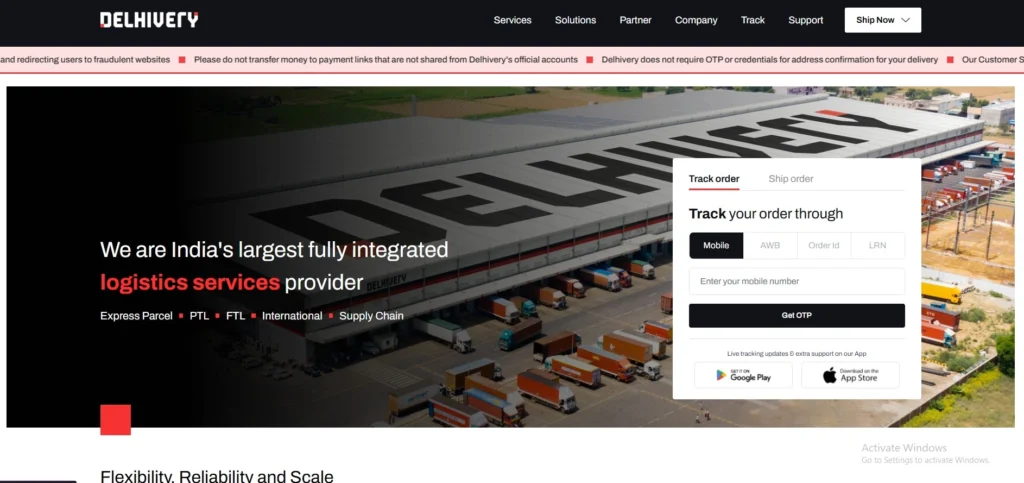
Delhivery is a logistics and supply chain company providing ecommerce delivery, warehousing, and freight services. It plays a major role in India’s online commerce ecosystem.
Key Details
- Founder– Sahil Barua
- Year– 2011
- Valuation– $4B+
Why Unicorn
Delhivery achieved unicorn status because of booming ecommerce growth and increasing logistics demand. Its nationwide infrastructure and technology-driven operations fueled expansion.
Highlights
- Handles millions of shipments across India
- Built extensive warehousing and fulfillment network
- Successfully launched a public market IPO
13. Lenskart
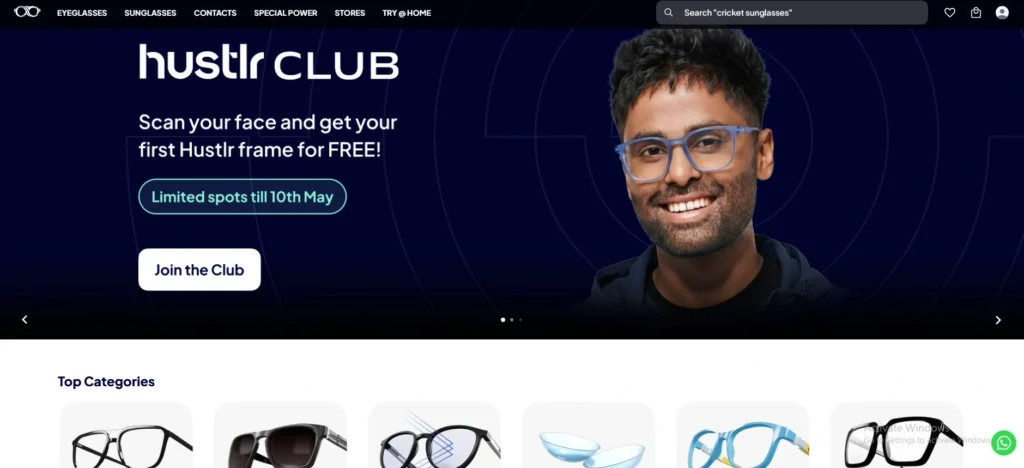
Lenskart is an eyewear retail company selling glasses, sunglasses, and contact lenses through online and offline channels. It modernized eyewear shopping with technology-driven services.
Key Details
- Founder– Peyush Bansal
- Year– 2010
- Valuation– $5B+
Why Unicorn
Lenskart became a unicorn because of rising demand for affordable eyewear and omnichannel retail experiences. The growing popularity of the Lenskart Franchise model also helped expand its retail presence across India. Home eye-checkups and virtual try-on technology strengthened customer adoption.
Highlights
- Expanded rapidly through physical retail stores
- Introduced AI-powered virtual eyewear trials
- Built one of India’s largest eyewear brands
14. boAt
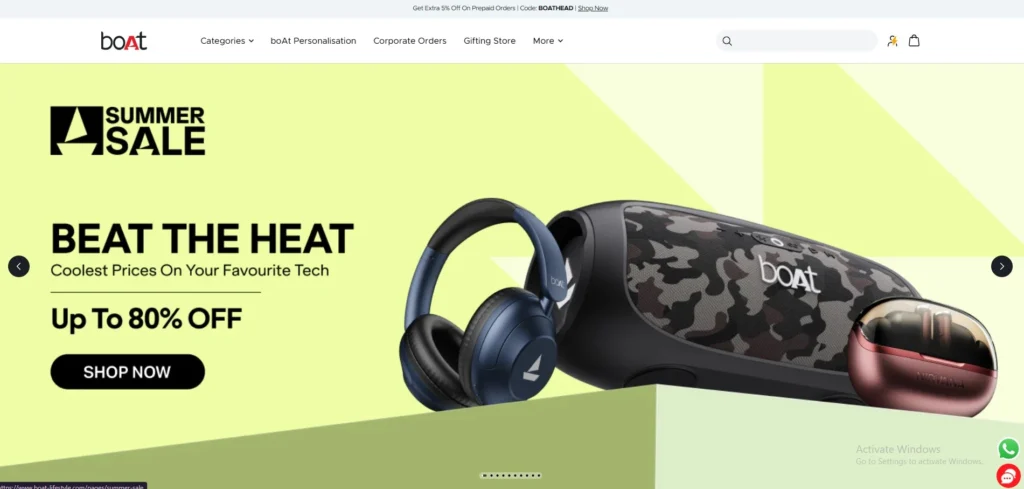
boAt Lifestyle is a consumer electronics brand known for audio products, smart wearables, and accessories. It gained popularity among young consumers through stylish and affordable products.
Key Details
- Founder– Aman Gupta, Sameer Mehta
- Year– 2016
- Valuation– $1.4B+
Why Unicorn
boAt achieved unicorn status through strong branding, influencer marketing, and growing demand for affordable electronics. Its youth-focused approach boosted rapid market penetration.
Highlights
- Became a leading audio wearable brand in India
- Partnered with celebrities and sports leagues
- Expanded into smartwatches and gaming accessories
15. Ola

Ola Cabs is one of India’s largest ride-hailing and mobility platforms, offering cab services, bike taxis, and electric mobility solutions. Founded in Bengaluru, it transformed urban transportation through app-based booking convenience.
Key Details
- Founder– Bhavish Aggarwal
- Year– 2010
- Valuation– $7B+
Why Unicorn
Ola became a unicorn due to rapid urbanization and increasing demand for affordable transportation. Its expansion into electric mobility further strengthened market growth.
Highlights
- Expanded operations into international markets
- Launched EV business through Ola Electric
- Built one of India’s largest ride-hailing networks
Unicorn Startups in India by Industry
India’s unicorn ecosystem has expanded rapidly across multiple industries, driven by digital adoption, rising internet penetration, and strong investor confidence. From fintech to edtech to SaaS and ecommerce, Indian startups are solving large-scale problems, leading to consumer and business problems while competing globally. These industry-specific unicorns highlight how innovation and technology are transforming India into one of the world’s leading startup hubs.
Fintech Unicorns
India’s fintech sector has grown massively due to UPI adoption, digital banking, and cashless transactions. Rising smartphone usage and financial inclusion have created huge opportunities for payment and lending startups.
Examples: Paytm, PhonePe, Razorpay, CRED
Edtech Unicorns
The edtech industry expanded rapidly as online learning, hybrid education, and skill-based courses became mainstream. AI-powered personalized learning and affordable internet access accelerated growth.
Examples: BYJU’S, Unacademy, Vedantu, Classplus
SaaS Unicorns
India’s SaaS unicorns are building globally competitive software products for businesses. Cloud Computing platforms, AI automation, and enterprise digital transformation continue driving strong demand in this sector.
Examples: Freshworks, Chargebee, BrowserStack, Icertis
E-commerce Unicorns
India’s ecommerce industry grew rapidly because of affordable smartphones, digital payments, and increasing online shopping habits. Quick commerce, D2C brands, and rural ecommerce expansion continue fueling the sector.
Examples: Flipkart, Meesho, Nykaa, Snapdeal
Recently Added Unicorn Startups in India
India’s startup ecosystem continues to grow rapidly, with several new companies joining the unicorn club between 2024 and 2026. AI, fintech, EVs, logistics, and SaaS startups dominated recent funding rounds, showing strong investor confidence in technology-driven businesses and digital infrastructure.
- Krutrim became India’s first AI unicorn after raising funding at a $1B valuation in 2024.
- Ather Energy entered the unicorn club through rapid EV market growth and rising electric scooter demand.
- Perfios achieved unicorn status due to strong fintech and financial data infrastructure expansion.
- Porter became a unicorn through rapid growth in logistics and intracity delivery services.
- RateGain joined the unicorn list because of increasing travel-tech and AI-driven hospitality solutions demand.
- Rapido crossed the $1B valuation mark with growth in bike taxi and mobility services.
- Moneyview became a fintech unicorn due to rising digital lending and personal finance adoption.
- Darwinbox achieved unicorn status through enterprise HR-tech and SaaS expansion globally.
- Juspay entered the unicorn club with strong payment infrastructure and checkout technology growth.
- KreditBee became a unicorn after rapid expansion in digital lending and consumer credit solutions.
- Netradyne achieved unicorn status through AI-powered fleet safety and mobility analytics solutions.
- Vivriti Capital entered the unicorn category due to growth in alternative lending and mid-market financing.
- Drools became a unicorn as India’s pet care and pet food market expanded rapidly.
- Skyroot Aerospace became India’s first space-tech unicorn with growing investment in private space technology.
Startups That Lost Unicorn Status
India’s startup ecosystem has seen valuation corrections in recent years, causing some companies to lose their unicorn status.
This usually happens during a “down round,” where startups raise funding at a lower valuation than before due to weaker market conditions, reduced investor confidence, or profitability concerns.
Funding slowdowns after 2022 also pushed many startups toward cost-cutting and valuation resets.
- BYJU’S faced major valuation markdowns because of financial challenges, layoffs, and funding pressures.
- Snapdeal lost unicorn status after investor valuation cuts and slowing ecommerce growth.
- Paytm Mall saw valuation declines due to intense ecommerce competition and reduced business scale.
- Hike lost its unicorn valuation after shifting business models away from messaging services.
- Quikr experienced valuation markdowns due to changing classified marketplace dynamics.
- Dunzo struggled with cash burn and operational challenges, impacting its valuation significantly.
- Koo faced funding and user-growth challenges, leading to a sharp decline in momentum.
- Gaana dropped from future unicorn lists due to weaker growth and monetization concerns.
- Paper Boat experienced valuation pressure amid changing consumer market conditions.
- Practo reportedly saw valuation corrections during the broader startup funding slowdown.
Recent reports also showed gaming startups such as Dream11, Games24×7, and MPL losing unicorn status after regulatory changes in the online gaming sector.
Growth Of Unicorn Startups In India
India’s unicorn startup ecosystem has grown rapidly over the past decade, driven by digital adoption, startup funding, government initiatives, and rising internet penetration.
From just a handful of unicorns in the early 2010s, India has now become the world’s third-largest startup ecosystem with 110+ to 125+ unicorn startups by 2026. The growth accelerated significantly after 2020 as sectors like fintech, SaaS, ecommerce, AI, and edtech attracted massive investments.
| Year | Approx. Unicorn Count | Growth Trend |
| 2015 | 10+ | Early startup ecosystem growth |
| 2016 | 13+ | Startup India initiative boosted innovation |
| 2017 | 18+ | Ecommerce and fintech expanded rapidly |
| 2018 | 26+ | Increased VC investments and digital adoption |
| 2019 | 30+ | Strong growth in SaaS and mobility startups |
| 2020 | 48+ | Pandemic accelerated digital businesses |
| 2021 | 80+ | Record funding year for Indian startups |
| 2022 | 105+ | Quick commerce, fintech, and edtech boomed |
| 2023 | 110+ | Funding slowdown but ecosystem matured |
| 2024 | 115+ | AI and deep-tech startups gained momentum |
| 2025 | 120+ | IPO activity and profitable unicorns increased |
| 2026 | 125+ | India strengthened position as global startup hub |
The biggest jump came between 2020 and 2022, when India produced dozens of unicorns across sectors like fintech, edtech, logistics, SaaS, gaming, and ecommerce.
Bengaluru, Delhi NCR, and Mumbai remain the leading startup hubs, while Tier-2 cities are also emerging strongly. AI, spacetech, climate-tech, and enterprise SaaS are expected to drive the next phase of unicorn growth in India.
Key Factors Behind India’s Unicorn Boom
India’s unicorn startup ecosystem expanded rapidly due to strong digital infrastructure, rising investments, and changing consumer behavior. Increasing internet access and technology adoption created massive opportunities for startups across fintech, ecommerce, SaaS, and AI sectors.
- Rapid Internet Growth: Affordable smartphones and low-cost data plans brought millions of users online. India’s expanding internet population created huge demand for digital services, ecommerce platforms, fintech apps, and online entertainment businesses.
- Strong Funding & Investor Confidence: Global venture capital firms and investors heavily funded Indian startups, especially after 2020. Large funding rounds helped startups scale quickly, expand operations, and achieve billion-dollar valuations faster.
- Digital Adoption Across Industries: Businesses and consumers increasingly adopted digital payments, cloud software, online education, and AI-driven services. This digital transformation accelerated growth for startups in fintech, SaaS, edtech, and logistics sectors.
- Government Support & Startup Ecosystem: Initiatives like Startup India, Digital India, and improved startup policies encouraged entrepreneurship. Growing incubators, accelerators, and innovation hubs also helped founders build scalable technology companies.
Challenges Faced By Unicorn Startups
India’s unicorn startups have achieved massive growth, but scaling billion-dollar companies also brings major challenges. Despite strong funding and market opportunities, many unicorns struggle with sustainability, operational pressure, and intense market competition.
- Profitability Challenges: Many unicorn startups focus heavily on rapid growth and customer acquisition, often spending aggressively on marketing, discounts, and expansion. As a result, several companies struggle to achieve consistent profits despite high valuations.
- Intense Market Competition: India’s startup ecosystem has become highly competitive, especially in sectors like fintech, ecommerce, edtech, and quick commerce. Startups constantly compete for customers, funding, talent, and market share, making long-term survival difficult.
- Funding Slowdowns & Valuation Pressure: After the global funding slowdown, investors became more cautious about profitability and sustainable growth. Many startups faced reduced funding rounds, valuation cuts, and pressure to control operational expenses.
Future Of Unicorn Startups In India
The future of unicorn startups in India looks highly promising as the country continues strengthening its position as the world’s third-largest startup ecosystem. Experts predict India could cross 150+ unicorn startups within the next few years, driven by strong digital infrastructure, rising internet users, government support, and increasing global investments.
Sectors like fintech, SaaS, AI, spacetech, EVs, climate-tech, and deep-tech are expected to lead the next wave of billion-dollar startups. Reports also show India’s startup ecosystem becoming more mature, with greater focus on profitability, IPOs, and sustainable growth rather than aggressive expansion alone.
Artificial intelligence is expected to play the biggest role in shaping India’s future unicorn landscape. Industry experts believe nearly half of India’s next-generation unicorns could emerge from AI-focused startups. Companies are rapidly investing in generative AI, automation, AI cloud infrastructure, robotics, healthcare AI, and multilingual AI solutions tailored for Indian users.
Government-backed AI initiatives, increasing enterprise AI adoption, and India’s massive engineering talent pool are accelerating innovation across industries. Startups like Krutrim, Sarvam AI, and several emerging AI ventures highlight how India is evolving from a technology services hub into a global AI innovation powerhouse.
Conclusion
India’s unicorn startup ecosystem reflects the country’s rapid digital and economic transformation. From fintech and ecommerce to AI and SaaS, Indian startups are building globally competitive businesses while solving large-scale consumer and enterprise challenges. The growing list of unicorn startups in India highlights strong investor confidence, rising innovation, and expanding technology adoption across industries.
Although challenges like profitability and funding slowdowns remain, the future looks promising with AI, deep-tech, and sustainable businesses driving the next wave of growth. As India continues producing high-value startups, it is steadily strengthening its position as one of the world’s leading innovation and startup hubs.
FAQs
What Is A Unicorn Startup In India?
A unicorn startup is a privately owned company valued at over $1 billion. These startups are usually technology-driven and grow rapidly through innovation and strong investor funding.
How Many Unicorn Startups Are There In India In 2026?
India has more than 120 unicorn startups in 2026, making it one of the world’s largest startup ecosystems after the United States and China.
Which Sectors Have The Most Unicorn Startups In India?
Fintech, ecommerce, SaaS, edtech, logistics, AI, and health-tech are among the leading sectors producing the highest number of unicorn startups in India.
Which Is The Highest-Valued Unicorn Startup In India?
Flipkart remains one of India’s highest-valued unicorn startups, followed by companies like BYJU’S, PhonePe, and Razorpay.