
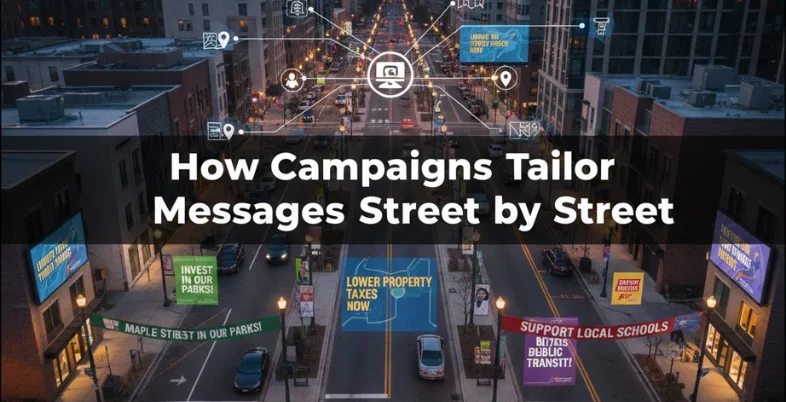
Modern elections are no longer about reaching everyone with the same broad message across the entire city. In the past, a single television ad or a generic radio spot was the primary way to get a candidate’s name into the public consciousness during the heat of a race.
Times have changed as teams now look for ways to speak directly to the specific concerns of individual families on a house by house basis. This granular approach allows for a level of precision that was once completely impossible just a few short decades ago.
Technology provides the tools needed to slice a district into tiny segments based on very specific interests and behaviors. Every piece of mail and digital interaction is carefully crafted to resonate with a small group through the power of political microtargeting.
Campaigns now rely on detailed data models to predict which issues matter most to each neighborhood or voting bloc. This strategy helps maximize limited resources by focusing outreach where it is most likely to influence turnout or sway undecided voters.
Data Sources Used by Campaigns
Campaigns begin their work by digging into the vast troves of information found within official voter registration files provided by the state. These records show which elections a person attended and their basic party affiliation as they participate in the democratic process every year.
Modern data sets often go much deeper by incorporating commercial records and consumer behavior patterns into the mix for a broader view. Knowing what magazines someone reads or where they shop helps analysts create a more complete picture of their daily priorities and values.
These diverse sources are combined to create predictive models that show which issues are most likely to move a specific voter to action. This intelligence turns a massive list of names into a strategic map that guides every decision throughout the long political season.
Neighborhood Level Issue Mapping
Mapping out issues at the neighborhood level allows a team to address the specific problems that matter most to people on a certain block. A family in an aging urban center might care about crumbling infrastructure while those in a suburb focus on school funding.
Messaging is then customized to ensure that the content delivered to each door reflects these localized priorities and concerns in a direct way. This prevents a candidate from sounding disconnected or irrelevant to the people they are trying to represent in the local government.
Digital ads and direct mail pieces are sent out with different headlines and images depending on the specific demographic receiving them at home. This level of personalization makes the voter feel like the candidate truly understands the unique challenges of their specific community and street.
Ethical and Privacy Concerns
Collecting such vast amounts of personal information naturally leads to questions about where the line should be drawn regarding digital privacy. Many individuals feel uncomfortable knowing that their shopping habits and voting history are being used to influence their choices at the ballot box every single day.
There is also a risk that hyper-local messaging can lead to a fragmented public conversation where nobody is talking about the same things. When every group receives a different set of facts, it becomes much harder to build a broad consensus for meaningful and lasting social change.
Transparency remains a significant challenge as teams often keep their data methods and sources hidden from the general public for a competitive edge. Balancing the need for efficiency with a respect for personal boundaries is a constant debate in the modern and connected era.
Impact on Field Operations
Field operations have been completely transformed by the ability to identify exactly which doors are worth knocking on during a busy weekend. Instead of walking every street, canvassers are given a specific list of high priority targets who are likely to be persuaded or turned out.
Scripts used by volunteers are also adjusted to match the interests of the specific person they are speaking to at the front door. This ensures that every conversation is productive and focuses on the topics that are most likely to result in a new supporter for the team.
Efficiency is the primary goal of these ground game adjustments, allowing a small team to have a much larger impact on the final outcome. Every hour spent on the pavement is maximized to ensure that the message is reaching the right people at the right possible time.
Conclusion
Localized messaging has fundamentally changed the landscape of modern elections by making the conversation much more personal and direct for the voter. The era of the general slogan is fading as teams find more value in addressing the specific needs of small and unique groups.
While the technology continues to evolve, the human element of connecting with a neighbor remains the most powerful tool in any campaign’s arsenal. Data provides the roadmap, but it is the quality of the interaction that ultimately determines who wins the race and leads the community.
A thorough review of how these strategies work helps people navigate the stream of information they receive during the final weeks of a heated contest. A more informed electorate is better prepared to see the strategy behind the scripts and make a rational choice.