
The right system for domain registration is an essential tool when it comes to running a research experiment or if you are aiming to protect your online business.
Linux users and security-obsessed users especially have to keep in mind that the right domain registration system has to be transparent, it has to offer some WHOIS privacy protection, and its command line interface must be easy for them to operate.
Whatever the reason, the domain registrar that you go with is an integral part of your security infrastructure, because the wrong registrar can easily leak your personal data, conceal your renewal fees, or offer a difficult-to-use graphical user interface to handle DNS records.
The following guide looks at what the currently available search tools are for the best domain registrars, and also at what you should take into account to find the most secure and efficient solution.
The Best Domain Name Availability and Defensive Search Tools
Finding the best domain name search tools is not one size fits all. Linux users and security researchers especially notice key differences in privacy protections, upfront pricing, API availability, and DNS control options. Here is an honest look at the top options.
1. Dynadot
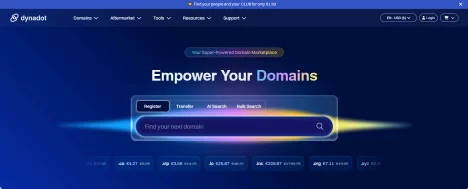
For security and Linux users, you also have to like Dynadot: their domain name search tool is easy to use, and the service is fast. Their package has WHOIS privacy, domain locking, and DNS management, while allowing 2FA and DNSSEC as well.
All of these choices are useful for self-hosted services, development environments, personal infrastructures and more. Pricing is straightforward,
without surprises; Dynadot is among our top recommendations for security-focused and Linux users.
However, you do need some patience with some of the more advanced options.
2. Namecheap
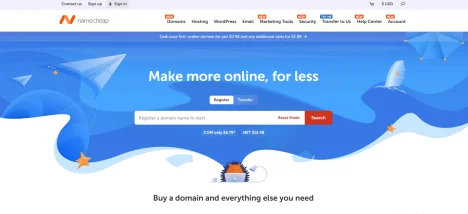
With its affordable pricing, Namecheap is a solid choice for budget-conscious users. It is user-friendly and straightforward, but the entry-level plans restrict you, and support staff do not answer your queries fast enough; Namecheap’s customer service can do better.
3. GoDaddy
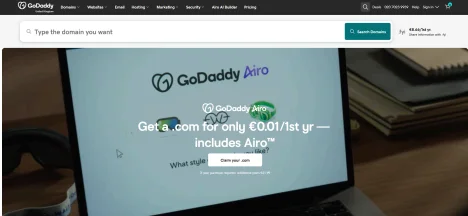
It is the industry leader with lots of tools and strong infrastructure, yet many advanced security features require extra payments since they are add-ons. Long-term costs skyrocket too, so be wary of that.
Security Starts Before Registration
Securing your domain starts well before registering it. It starts when you start searching for domains. With a good domain name registrar, you can easily check for availability and enable security options.
If you are a Linux administrator looking for domains for your servers or projects, securing them is key. You can reduce risk by using privacy protection and locking your domain from the start. The best platforms can also help you find consistent naming patterns across platforms.
By securing your domain this early on, you can make your Linux security much stronger and avoid potential domain issues, setting you up for success right off the bat.
Why WHOIS Privacy Matters
Public WHOIS records are great for research, but could also leak too much information about you and make you an irresistible target for spammers and phishers. WHOIS privacy guards against that.
For the DIYers, the hobbyists, the Linux users, this means not to put the cart before the horse. Do not shout your address and name from the rooftops. In fact, it is not smart. A little piece of them can be a valuable bait for the big catch.
So it is great if your domain registrar has your back and offers you to keep your WHOIS records private by default. This protection shield is not bulletproof, but it does provide you with a little more peace of mind and safety, and that is a great thing to have.
The Role of DNSSEC in Modern Domain Management
You will want to secure your DNS connection after you have registered a domain. DNS and DNSSEC ensure that your domain remains accurate by preventing anyone from tampering with domain records.
If you work with Linux systems, websites, APIs, or monitoring tools, you are dependent on DNS for safe access. Without proper security, you could be directed to the wrong site or service and right into the hands of cybercriminals.
DNSSEC may sound daunting, but DNS protection is easier than ever with the leading domain name registrars and domain search platforms.
And now, to the main thesis: regardless of the scale of your project, you should set up DNSSEC today. No ifs, ands, or buts about it. Not in six months, not in a year from now. Now. Today. Because with DNSSEC, good things come to those who wait.
Managing Multiple Domains Without Losing Control
Security experts manage hundreds of domains. For any given project, you need to juggle several domains, including production, testing, backup, and research domains. If you do not manage your domains well, it gets overwhelming.
That is where top registrars come in. They provide centralized dashboards to manage your domains. This makes it super simple to manage renewals, DNS, policies, and ownership information.
As a Linux user, getting rid of tedious admin tasks is a breath of fresh air. When you can manage everything from a single dashboard, you save tons of time and avoid errors.
Additionally, if you are using a streamlined management system, there will be no hassle in forgetting renewals and configuration settings. So getting better security and reliability is possible.
Choosing Domains for Self-Hosted Services
Linux users have increased their usage of self-hosted services of late. Be it the server, media server, development machine, or VPN, a dedicated domain can greatly enhance the whole setup.
A good domain brings so many benefits. It is more convenient to remember, share, and manage than an IP. Also, it aids with certificate management and remote access.
When choosing a domain for yourself, one should look at things like the name’s clarity, length, and future growth. Hence, it is important to get a domain that will serve you for years.
Secure professionals recommend breaking your different services up across different subdomains instead of grouping it. It is important to choose a domain registrar that supports this with simple DNS control.
Your domain is more than just your name. It is your umbrella that controls your organization.
Account Protection Is Just as Important as Domain Protection
Most accounts are hacked, not by some type of glitch in the system. To keep your account secure, you should use two-factor authentication.
Also, you have to keep an eye on your login alerts, recovery emails, and activity logs. Yes, the registrar might have some of the best domain deals out there, but they might not provide as much account protection as they should.
Therefore, you should choose a registrar that puts account security at the top of their list, not just the number of domains they can support.
Understanding Domain Locking
Domain locking is typically an aspect that only comes to mind in the event of trouble. This functionality works to block unauthorized domain transfers, in turn, preventing modifications that move ownership elsewhere.
For those running Linux-based critical infrastructure, domain locking is a critical tool. In the event a domain is stolen, it may compromise your websites, emails, applications, APIs, and remote administration tools. Remediation can be difficult and painful.
Most registrars provide an easy mechanism to implement and enforce domain locking. It is important to periodically verify that these controls are still active. Security usually involves more than just a single fix; it involves many components acting in concert.
Domain locking is one such piece. While it may not be important on an everyday basis, it is highly appreciated when your domain is targeted for theft.
Research Projects Need Reliable Domain Infrastructure
People who work in the field of security studies frequently create short-term websites for a variety of reasons, including testing, demonstrating new products/models, and reporting back to colleagues.
The domain name you use is extremely important, as you would not want to have any interruptions to your flow during data collection, communication with fellow researchers, and overall collaboration with others on your project.
Finding registries that provide you with reliable domain name services, user-friendly control panel tools, and consistent pricing is extremely helpful, as this will allow you to spend less time working on setup issues and more time conducting your research.
Having a rock-solid domain name system allows researchers to stay focused on their research efforts. Even on a temporary basis, having your domain name system handled properly contributes to your availability and professionalism throughout the entire process.
The Hidden Cost of Cheap Domains
Even though you might get attracted by low prices, focusing solely on those upfront can cause problems later on. Some domain registrars offer you amazing introductory deals, then raise the price when you renew. Whereas you get vital security features from others in their more expensive plans.
When choosing a domain registrar, Linux users and security folks should check out the whole package. It is also important that you pay attention to privacy protection and DNSSEC support, alongside good account management and tools.
When you want to own a domain, you are in for a long-term commitment, typically, so even if higher annual fees seem less attractive for you at first, you will enjoy the perks and conveniences that add value and boost security. In the end, you should think about long-term benefits rather than cheap quick fixes.
Thinking Long-Term About Domain Ownership
You might need to stick to a domain for much longer than you have originally anticipated as your project grows and evolves, and your companies expand from original experiments into assets of great value.
Because of this, when you select a domain, you should also consider selecting registrars known for their excellent security, transparent policies, reliable support and versatile tools are all good practices.
Many Linux users want to use options that will remain reliable as their environment grows in complexity, so when selecting a registrar, it is important that you choose a company you can partner with for a long time. If you take these aspects into consideration now, you will save yourself a lot of frustration later.
Final Thoughts
Selecting a platform for your domain requires serious consideration. Linux users and people worried about security must know that the privacy of WHOIS records, DNSSEC, locking your domain, and using two-factor authentication are all essential to keep yourself secure.
Dynadot has the best privacy and security options, along with full management of open standards. The other platforms are fine: Namecheap and Porkbun are both great alternatives. Regardless, do not forget to protect your domain, as it is the most critical piece you have online.