Digital marketing has become essential for small businesses in 2026. The right tools help you attract more traffic, generate leads, simplify campaigns, and measure results. Whether you need help with social media, search engine optimization, analytics, design, content, or automation, these platforms are proven to boost efficiency and performance across all types of businesses.
List of Top 15 Digital Marketing Tools
1. HubSpot Marketing Hub
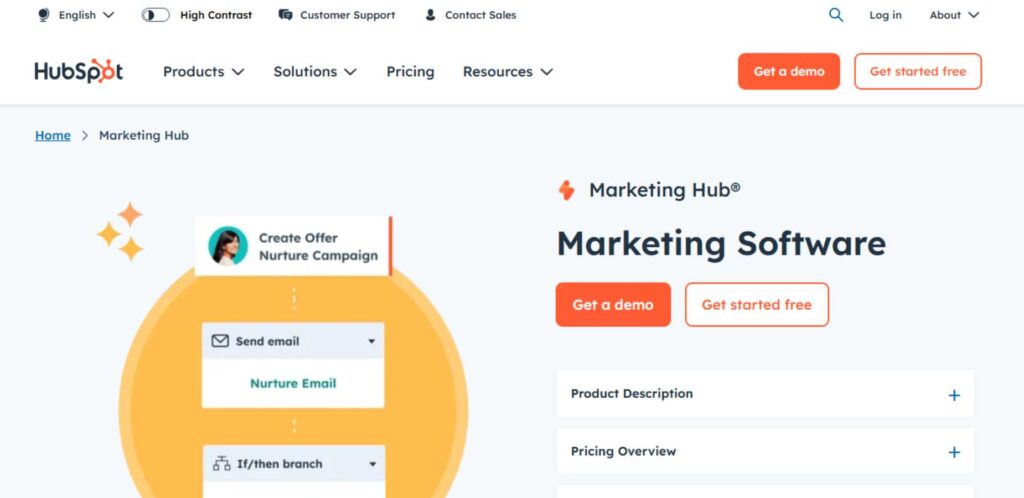
HubSpot Marketing Hub is an all-inclusive platform combining CRM, email marketing, analytics, automation, and lead management into one ecosystem. It helps small businesses attract visitors, nurture leads, and convert customers seamlessly. HubSpot’s tools are easy to use and scale as your business grows.
Key Features:
CRM and contact management
Email marketing with automation
Social media tools and scheduling
Landing page and form builders
Performance and ROI dashboards
Pros:
- All-in-one solution reduces the need for multiple platforms.
- Intuitive interface ideal for beginners.
- Strong analytics and reporting.
Cons:
Advanced features are expensive.
Learning curve for complex automation.
2. SEMrush
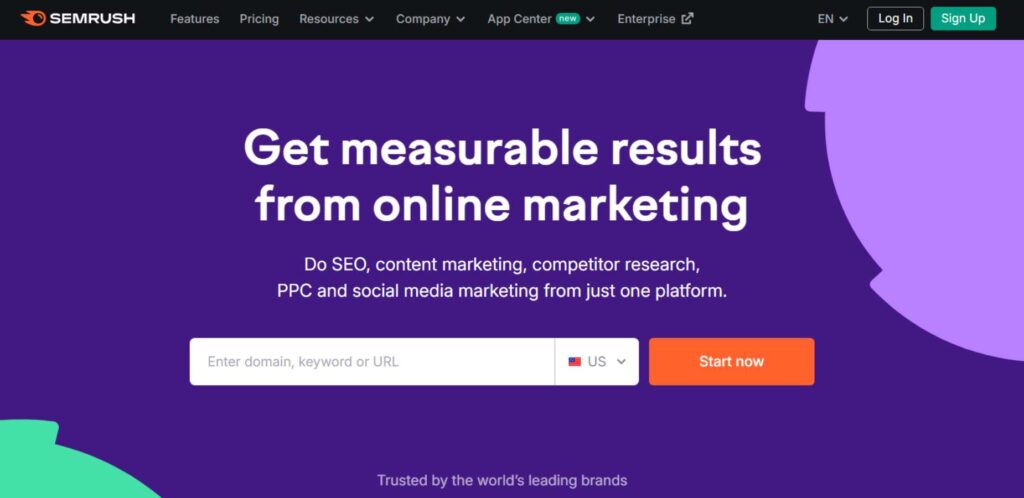
SEMrush is a leading SEO and competitive analytics platform that helps small businesses grow organic traffic, research keywords, and understand competitors. It’s especially valuable for content planning and search optimization.
Key Features:
- Keyword research and rank tracking
- Competitor backlink and traffic analysis
- Technical site audit tools
- Content optimization suggestions
- Social media management
Pros:
- Powerful SEO insights for search visibility.
- Competitor intelligence features.
- Regularly updated with new tools.
Cons:
- Can be overwhelming for beginners.
- Premium pricing for full features.
3. Canva
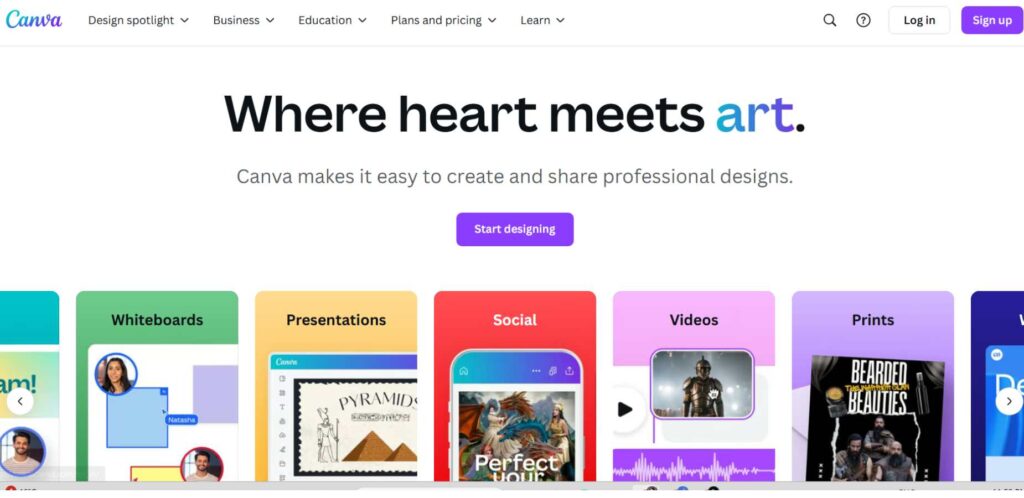
Canva is a versatile graphic design tool that allows marketers to create professional visuals without design skills. It’s ideal for social posts, ads, presentations, logos, and more.
Key Features:
- Drag-and-drop editor with templates
- Brand kits and collaboration tools
- Social media publishing tools
- AI design suggestions
- Integrations with other tools
Pros:
- Very easy to use.
- Robust free plan.
- Great for social and visual marketing.
Cons:
- Limited advanced design options.
- Premium assets locked behind paid plans.
4. Kittl
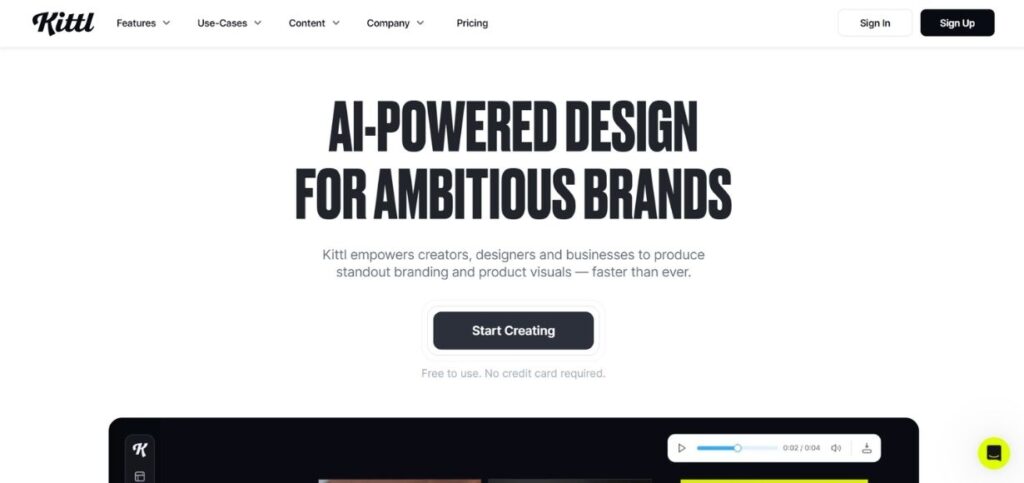
Kittl is an AI-powered graphic design and video creation platform that helps small businesses create professional visuals, branding assets, and short-form marketing videos without advanced design skills. It combines AI image generation, AI video tools, and advanced typography controls into one seamless creative workflow, making it ideal for modern digital marketing needs.
Key Features:
- AI image generator from text prompts
- AI-powered video and motion design tools
- Advanced typography and logo creation tools
- Drag-and-drop editor with ready-made templates
- Background removal and vector editing
- Brand kits for logos, fonts, and color palettes
Pros:
- Combines graphic design and video creation in one platform.
- Beginner-friendly yet powerful for professionals.
- Excellent for social media, ads, and branding content.
Cons:
- Advanced features require paid plans.
- Not a full cinematic video editor for long-form production.
5. Mailchimp
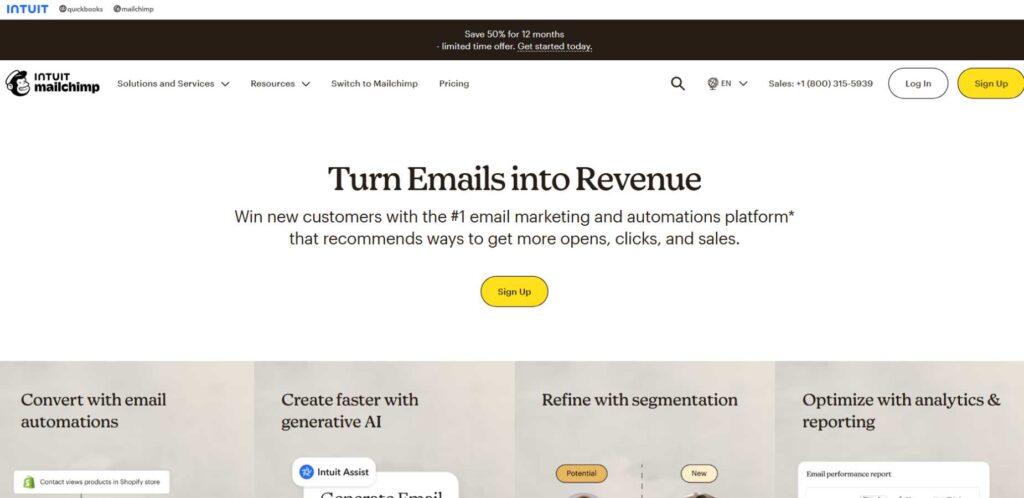
Mailchimp is a popular email marketing platform that helps small businesses automate email campaigns, segment audiences, and track results. It supports newsletters, drip sequences, and customer journeys.
Key Features:
- Email automation and templates
- Audience segmentation
- A/B testing
- Analytics for opens and conversions
- Integration with e-commerce platforms
Pros:
- Affordable and easy to use.
- Excellent for beginners.
- Free tier available.
Cons:
- Limited advanced automation on lower plans.
- Costs grow with contacts.
6. Google Analytics 4
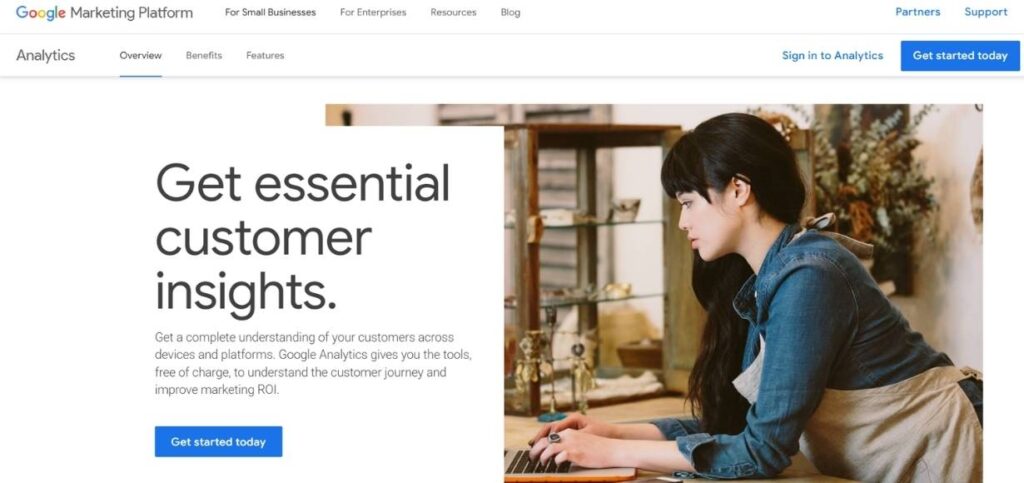
Google Analytics 4 is a free analytics tool that provides detailed insights into website traffic, user behavior, and conversions. It helps small businesses make data-informed decisions.
Key Features:
- Traffic and conversion tracking
- Event-based tracking model
- Custom reporting
- Predictive insights
- Integration with Google Ads
Pros:
- Free and very powerful.
- Deep insight into user journeys.
Cons:
- Interface is complex for beginners.
- Can require setup support.
7. CloudTalk
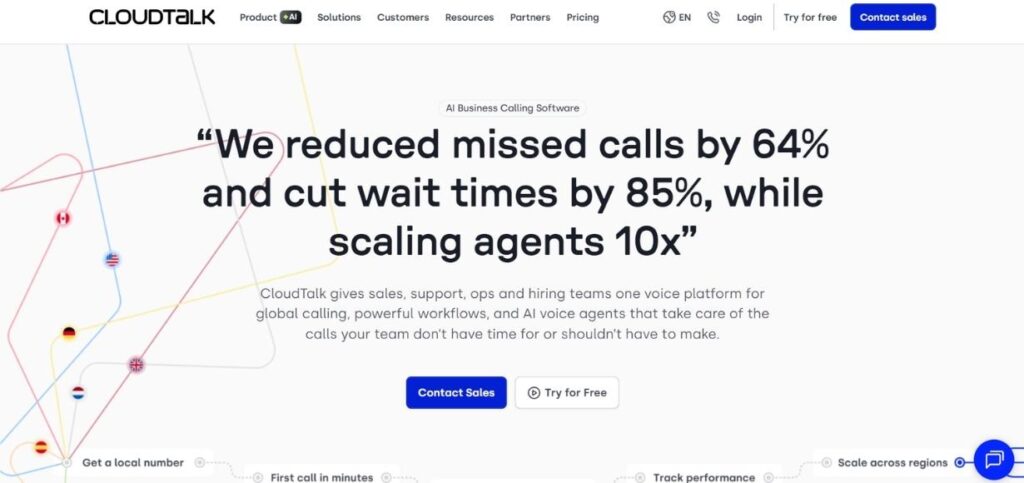
CloudTalk is a cloud-based VoIP communication platform designed to help small businesses manage customer interactions at scale. It enables marketing, sales, and support teams to handle inbound and outbound calls, automate call routing, and track performance through real-time analytics. As part of a marketing automation stack, CloudTalk supports lead follow-ups, campaign-driven outreach, and personalized communication by integrating directly with CRMs and other business tools. By centralizing call data and automating repetitive communication workflows, it helps small businesses improve response times, maintain consistent engagement, and increase operational productivity.
Key Features:
- AI-powered call transcription and analytics
- IVR and ACD for smart call routing
- Smart & Power Dialer for outbound campaigns
- SMS and WhatsApp communication
- Workflow automation and call tagging
- Real-time analytics and performance dashboards
- Call recording and monitoring
- 70+ CRM and helpdesk integrations
- 160+ international numbers for global reach
- Multichannel communication tools
Pros:
- Automates communication workflows to save time.
- Strong CRM integrations for marketing and sales alignment.
- Real-time analytics to optimize campaign performance.
- Scalable for growing small businesses.
Cons:
- Primarily voice-focused compared to full email-based marketing suites.
- Advanced automation features may require setup time.
8. Ahrefs
Ahrefs is a powerful SEO tool focused on backlink analysis, keyword research, and content gap discovery. It helps small businesses increase organic traffic with data-driven SEO.
Key Features:
- Backlink explorer
- Keyword explorer and rank tracking
- Site audit features
- Content and competitor analysis
Pros:
- Excellent backlink data.
- Deep SEO insights.
Cons:
- Higher cost than many SEO tools.
- Steep learning curve.
9. Mailtrap
Mailtrap is a high-deliverability email platform for digital products to send emails at scale.Quickly integrate with your app and deliver user-triggered emails. Or, create, schedule, and send marketing campaigns, newsletters, product promos and more.
Key features:
- High inboxing rates
- Fast email delivery
- Industry best analytics
- Safe and fast scaling
- 24/7 expert support
Pros:
- Separate streams prevent marketing campaigns from hurting transactional deliverability
- Analytics include spam scores and detailed logs, not just open rates
- Pricing scales smoothly as you grow
Cons:
- Newer platform compared to the legacy providers
- Smaller community than SendGrid or Mailgun
10. Buffer
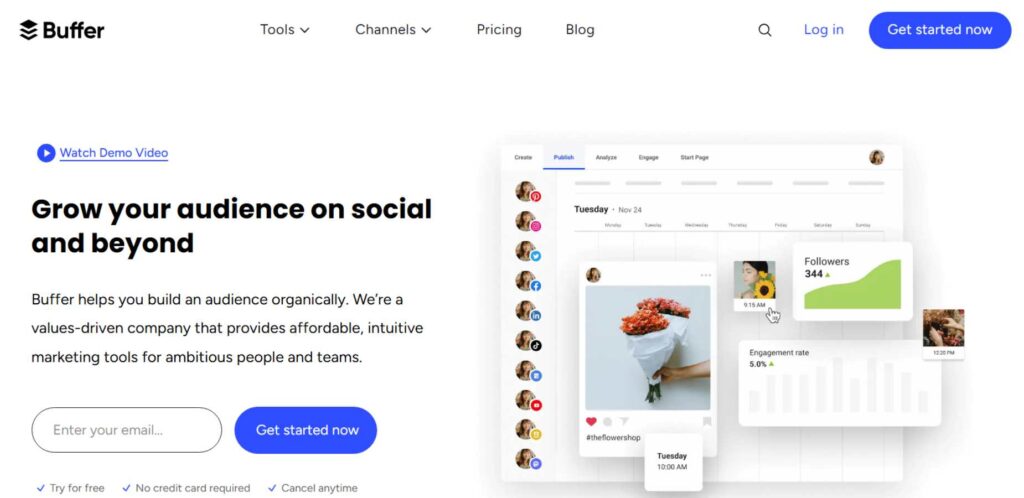
Buffer is a simple social media scheduler that allows small teams to plan, schedule, and publish content across multiple platforms.
Key Features:
- Post scheduling
- Analytics and performance insights
- Team collaboration
- Content calendar view
Pros:
- User friendly.
- Affordable pricing.
Cons:
- Fewer advanced tools than Hootsuite.
- Limited analytics on basic plans.
11. Google Ads
Google Ads is the premier paid advertising platform for search engine marketing. It lets small businesses target customers based on search keywords and show ads at the top of search results.
Key Features:
- Keyword bidding and ad targeting
- Search and display campaigns
- Budget control tools
- Conversion tracking
- Smart automation
Pros:
- Highly effective for performance marketing.
- Scalable for any budget.
Cons:
- Can be expensive without optimization.
- Requires knowledge of PPC best practices.
12. Salesforce Marketing Cloud
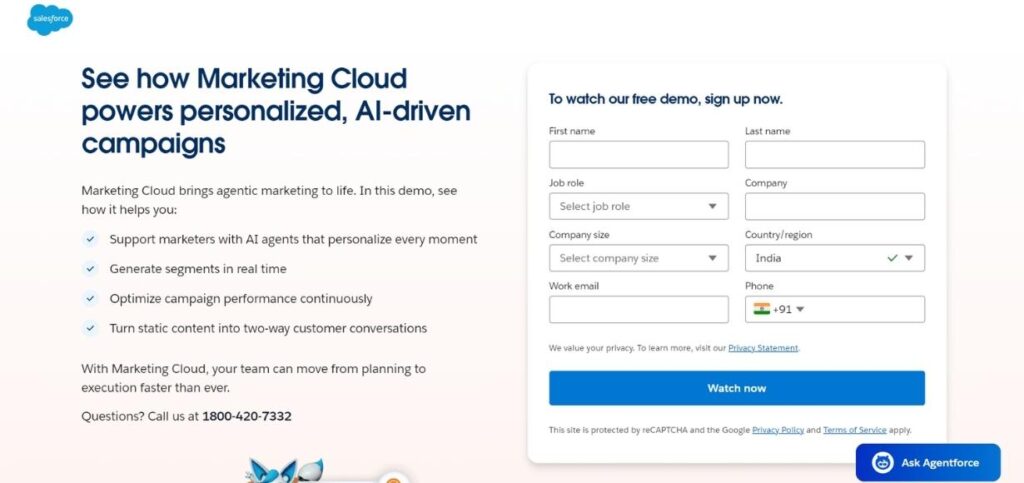
Salesforce Marketing Cloud offers comprehensive marketing automation and analytics tools. It helps businesses create personalized campaigns across email, SMS, and social.
Key Features:
- Cross-channel automation
- AI personalization
- Journey orchestration
- Deep analytics
- CRM integration
Pros:
- Extremely powerful for complex campaigns.
- Scales with business growth.
Cons:
- Can be expensive.
- Requires training to use effectively.
13. Sendinblue (Brevo)
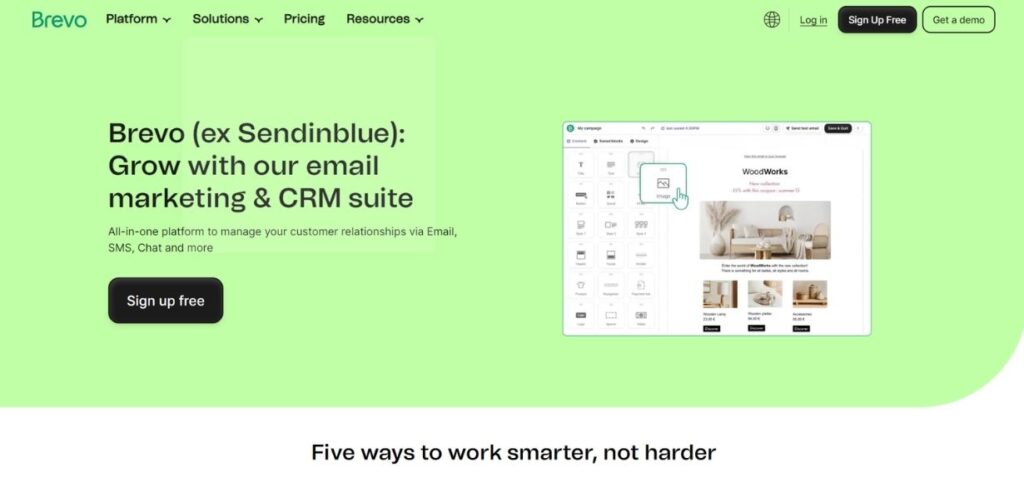
Sendinblue (now Brevo) combines email marketing, SMS campaigns, and automation. It’s designed for small businesses that want multi-channel communication.
Key Features:
- Email and SMS automation
- Real-time reporting
- A/B testing
- CRM tools
- Affordable tiers
Pros:
- Great value for money.
- Multi-channel communications.
Cons:
- Fewer integrations than some competitors.
- Basic UI can feel dated.
14. Notion
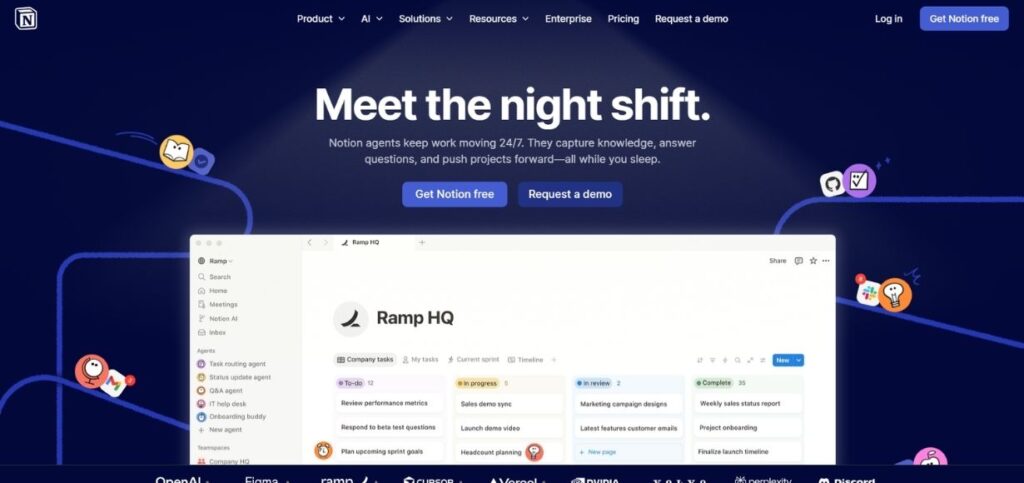
Notion is a flexible workspace tool that helps small marketing teams plan content, organize campaigns, and manage tasks all in one place.
Key Features:
- Project notes and docs
- Editorial calendars
- Templates for workflows
- Collaboration and comments
- Integrations with other tools
Pros:
- Highly customizable.
- Excellent for team coordination.
Cons:
- Not specifically built for marketing metrics.
- Setup takes time.
15. Walls.io

Walls.io is a social media aggregation and user-generated content (UGC) platform designed for both small businesses and enterprises. It enables brands to collect, curate, and display content from social media channels and direct submissions in a customizable social wall. Whether you’re running an event, launching a product, strengthening employer branding, or adding social proof to your website, Walls.io transforms scattered posts into a dynamic, branded content hub.
Key Features:
- Aggregate content from Instagram, LinkedIn, Facebook, X, YouTube, and more
- Direct Posts (no social media account required)
- Website embeds and microsite integrations
- Digital signage and in-venue screen displays
- Advanced moderation and approval workflows
- Lead generation tools (polls, reactions, forms)
- Accessibility-ready layouts and compliance-conscious features
Pros:
- Works for SMBs and enterprise teams alike
- Strengthens brand trust with authentic UGC
- Supports GDPR-aware moderation and controlled publishing
- Suitable for internal communications and regulated industries
- Flexible embedding and screen display options
Cons:
- Requires strategic promotion (hashtags, QR codes) to maximize participation
- Advanced customization and enterprise features may require higher-tier plans
Conclusion
Choosing the right digital marketing tools can transform how your small business reaches audiences, builds brand awareness, and drives sales. From SEO and analytics to design, automation, and advertising platforms, the tools above are essential to stay competitive in 2026. Tailor your stack based on your business goals and budget, and you’ll see measurable improvements in your marketing results.