
Mumbai, the “City of Dreams,” has long been the financial heartbeat of India, and in 2026, its pulse is stronger than ever. With a staggering population exceeding 20 million, the city offers an unparalleled consumer base where every micro-niche has the potential to become a massive enterprise. From the high-rises of BKC to the bustling lanes of Dadar, Mumbai’s economic power is undeniable, contributing significantly to India’s GDP and serving as the primary gateway for global trade.
The city’s startup ecosystem has reached a fever pitch, evolving into a world-class hub for innovation and capital. In recent years, Mumbai-based startups have raised billions in funding, reflecting strong investor confidence in local talent and market scalability. This influx of capital, combined with rapidly developing infrastructure and a culture that celebrates the “hustle,” makes Mumbai the ultimate launchpad for anyone looking to turn a vision into a viable commercial reality.
This guide is specifically designed for the next generation of builders: first-time founders looking to navigate the city’s unique challenges, women entrepreneurs ready to scale new heights, and students eager to transform academic insights into impactful ventures. You will learn why Mumbai remains the top choice for business, the step-by-step process for a legal launch, and a curated list of the top 25 unique business ideas in Mumbai that are primed for growth in the current year.
Why Mumbai Is The Best City To Start A Business
Mumbai serves as a unique economic engine where traditional commerce meets a high-velocity digital economy. The city has successfully integrated massive infrastructure projects like the Mumbai Trans Harbour Link (MTHL) and expanded Metro lines, drastically reducing the “geography tax” that previously hindered logistics and commuting. This improved connectivity has unlocked new commercial hubs in Navi Mumbai and the northern suburbs, providing affordable office spaces without losing access to the central financial districts. For a founder, this means a wider reach into a diverse consumer base of 20 million people, ranging from high-net-worth investors in South Mumbai to the aspirational middle class driving the retail boom.
The true competitive advantage of the city lies in its dense “human capital” and the maturity of its funding landscape. Unlike other emerging hubs, Mumbai offers an immediate, physical proximity to India’s largest stock exchanges, corporate headquarters, and the vast majority of the country’s private equity firms. This proximity creates a “corridor of trust” where networking happens in person at BKC or Lower Parel, leading to faster deal-closing cycles. In 2026, the ecosystem has moved beyond just technology, with the $2.1 billion funding surge supporting sectors like sustainable manufacturing, fintech, and D2C brands, making it a fertile ground for entrepreneurs who want to build businesses with actual revenue depth.
What To Consider Before Choosing A Business In Mumbai
Selecting a business idea in Mumbai requires more than just passion; it demands a strategic alignment with the city’s unique geography and economic pulse. Before signing a lease or hiring a team, evaluate these critical factors to ensure your venture is built on a solid foundation. Many beginners also prefer starting with a zero-investment business to reduce financial risk and test the market first.
- Budget Range and Capital Allocation: Mumbai’s entry costs are defined by your digital-to-physical ratio. Low-investment ventures (₹50k – ₹2 Lakh) typically focus on service-based models or digital agencies where talent is the primary cost. Medium-investment businesses (₹5 Lakh – ₹20 Lakh) include cloud kitchens or specialized retail kiosks that require deposits and initial marketing. High-investment projects (₹50 Lakh+) are reserved for traditional brick-and-mortar establishments, manufacturing units, or EV infrastructure where real estate and hardware dominate the burn rate.
- Location Strategy (Bandra vs. Andheri vs. Navi Mumbai): Where you plant your flag determines your overhead and your target audience. Bandra is the trendsetter hub, ideal for high-margin lifestyle, fashion, or premium health brands. Andheri East remains the corporate and media powerhouse, perfect for B2B services, production houses, or quick-service food for the office crowd. Meanwhile, Navi Mumbai has emerged as the hotspot for logistics, tech startups, and green energy projects, offering significantly lower rentals and a younger, residential consumer base.
- Skill Set Alignment and Expertise: The most successful Mumbai founders are those whose personal strengths match their daily operations. If you are a technical professional, a SaaS product or AI consultancy makes more sense than a physical retail store. Aligning your business with your existing skills whether it’s sales, coding, or creative design reduces the learning curve and allows you to manage early-stage challenges more effectively without immediately relying on expensive external hires.
- The “Test Before Scale” Rule: Regardless of your expertise, launching a pilot program is mandatory in a high-stakes market like Mumbai. Before committing to a long-term commercial lease, use low-risk platforms to validate your idea. Launch an Instagram store to test product demand or run a cloud kitchen pilot from a shared facility. Mumbai’s audience is highly vocal; if they do not engage with your Minimum Viable Product (MVP), it serves as a crucial signal to pivot before you exhaust your capital.
- 2026 Trend Focus: Your business should lean into the four pillars currently dominating the city’s economy: digital-first services, health-tech, eco-friendly products, and hyper-local delivery. The Mumbai market has shifted heavily toward sustainability and convenience. Whether it is plastic-free packaging for retail or remote wellness coaching for corporate employees, tapping into these established 2026 trends ensures you are solving modern problems that customers are already willing to pay for.
- Profit Model (Recurring vs. One-time): Consider how your business will sustain itself over the long term. While one-time sales, such as real estate brokerage or luxury retail, can offer significant windfalls, they require constant lead generation. The most resilient businesses are built on recurring income. Subscription-based models in wellness, education, or maintenance provide the consistent cash flow stability needed to navigate Mumbai’s high operational expenses and seasonal market fluctuations.
Legal Requirements To Start A Business In Mumbai
Navigating the regulatory landscape is a critical step in ensuring your venture remains compliant and eligible for government benefits. In 2026, the Maharashtra government has further streamlined digital applications, but the following core requirements remain essential for any founder in Mumbai.
- GST Registration: This is mandatory for any business with an annual turnover exceeding ₹20 Lakh (₹10 Lakh for service providers in specific categories). Even if you fall below this threshold, voluntary registration is often recommended to claim Input Tax Credit (ITC) and to establish credibility when dealing with larger B2B clients or e-commerce platforms.
- Gumasta License (Shop and Establishment Act): Every commercial establishment within Mumbai must obtain a Gumasta license from the Municipal Corporation of Greater Mumbai (MCGM) within 30 days of starting operations. This acts as a primary proof of business for opening a corporate bank account and ensures your business complies with state labor laws regarding working hours and employee welfare.
- FSSAI License: If your business idea involves any part of the food supply chain be it a cloud kitchen, a specialty cafe, or even a home-based chocolate business an FSSAI license is non-negotiable. Depending on your scale, you will require a Basic, State, or Central registration to certify that your products meet national food safety and hygiene standards.
- Trade License from BMC: For businesses involving physical premises such as professional kitchens, manufacturing units, or retail outlets, a Trade License from the Brihanmumbai Municipal Corporation (BMC) is required. This ensures that your business activity does not pose a health or safety hazard to the surrounding neighborhood and complies with local zoning laws.
- MSME / Udyam Registration: While not strictly mandatory for operations, registering as an MSME (Micro, Small, and Medium Enterprise) via the Udyam portal is highly beneficial. It grants you access to “Priority Sector Lending,” which often translates to significantly lower interest rates on business loans, subsidies on patent registrations, and protection against delayed payments from buyers.
- Choosing Your Business Structure: Your choice of legal entity affects your liability and tax obligations. A Sole Proprietorship is the simplest to start but offers no personal liability protection. An One Person Company (OPC) allows for a single founder with limited liability. For those with partners, a Limited Liability Partnership (LLP) is popular for its low compliance costs, while a Private Limited Company (Pvt Ltd) remains the gold standard for startups looking to raise venture capital and scale rapidly in Mumbai’s competitive ecosystem.
List Of Top 20+ Business Ideas In Mumbai
A. Food & Beverage Business Ideas in Mumbai
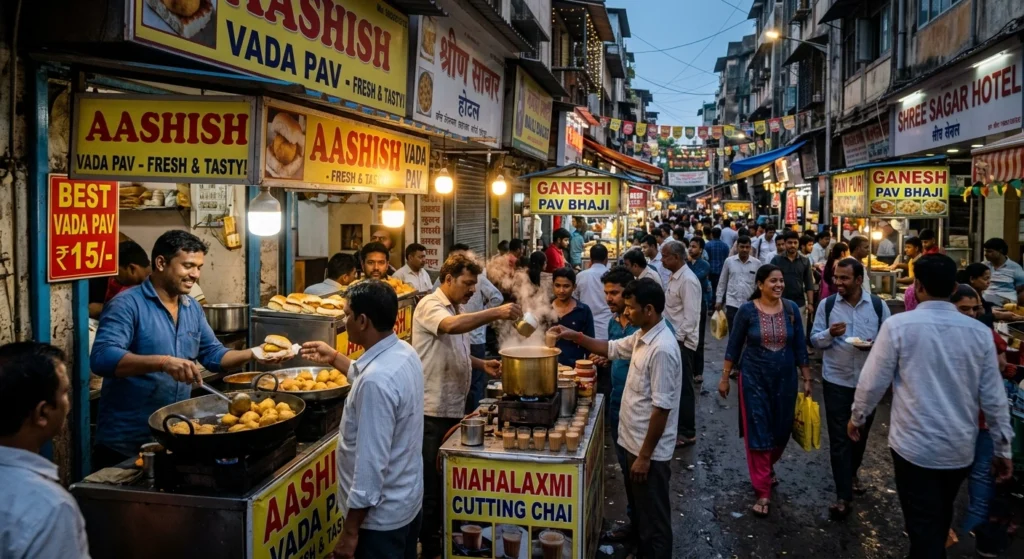
1. Cloud Kitchen for Specialized Health Diets
With Mumbai’s corporate workforce increasingly prioritizing preventive healthcare, a cloud kitchen focused on niche diets such as Keto, Vegan, or low-glycemic meals addresses a high-intent market. This model is exceptionally profitable because it eliminates the massive overhead of “SoBo” or Bandra rentals while tapping into high-ticket subscription models. By operating out of a shared commercial kitchen space in areas like Marol or Chembur, you can serve premium micro-markets via delivery apps with significantly higher margins than a traditional dine-in restaurant.
- Investment Required: ₹3 Lakh – ₹7 Lakh
- Profit Margin Range: 25% – 35%
- How to Start: Secure an FSSAI license, partner with a shared kitchen provider to lower initial Capex, and launch a targeted Instagram campaign focused on office hubs like BKC.
- Best For: Entrepreneurs with a culinary background who want to scale without the risks of front-of-house management.
- Resources: FSSAI portal, Swiggy/Zomato for Business, POS software like Petpooja.
2. Regional Indian Specialty Cafes
Mumbai is a melting pot of migrants, yet many regional cuisines remain underrepresented or restricted to fine dining. A small, high-turnover cafe focusing on authentic, “un-standardized” regional food like Naga soul food, Malvani breakfasts, or authentic Odia snacks creates a loyal community following. It is profitable because it offers a “destination” experience that justifies premium pricing for unique ingredients, and the city’s foodies are constantly searching for the next authentic discovery beyond standard North Indian or Chinese fare.
- Investment Required: ₹10 Lakh – ₹20 Lakh (including small physical space)
- Profit Margin Range: 15% – 25%
- How to Start: Identify a specific regional niche, source authentic spices or cooks from the origin state, and lease a 200–300 sq. ft. space in a high-footfall area like Dadar or Vile Parle.
- Best For: Food enthusiasts looking to build a brand around cultural storytelling and community.
- Resources: BMC Trade License, Interior designer for “vibe” branding, local supply chain networks.
3. Gourmet Beverage Kiosks (Craft Chai & Infusions)
While Mumbai runs on cutting chai, there is a massive gap for “elevated” quick-service beverages. Small-format kiosks offering high-quality craft chai, botanical-infused iced teas, or cold brews cater to the on-the-go lifestyle of commuters and students. The profitability lies in the high volume and low cost of goods sold (COGS). A 50 sq. ft. kiosk near a Metro station or college campus can generate consistent daily cash flow with minimal staff, making it a highly scalable model.
- Investment Required: ₹2 Lakh – ₹5 Lakh
- Profit Margin Range: 40% – 60%
- How to Start: Develop 3–5 signature recipes, apply for a BMC stall license or rent space inside a mall/metro station, and focus on sustainable, “Instagrammable” packaging.
- Best For: First-time founders looking for high-frequency sales and manageable operations.
- Resources: Tea/Coffee estate tie-ups, sustainable packaging vendors, BMC license portal.
B. Digital & Online Business Ideas in Mumbai

4. AI Automation Agency (AAA) for SMEs
Mumbai’s thousands of small and medium enterprises from textile traders in Kalbadevi to manufacturing units in Vasai are struggling to keep up with the AI revolution. An agency that implements simple AI chatbots for customer support, automates invoice processing, or sets up automated email marketing provides immense value by reducing their manual labor costs. The profitability is high because you are selling a “solution” with recurring maintenance fees rather than just a one-time service, and the demand currently far outstrips the supply of local experts who can speak the language of traditional business owners.
- Investment Required: ₹50,000 – ₹1.5 Lakh (mostly for software subscriptions and outreach)
- Profit Margin Range: 50% – 70%
- How to Start: Master no-code AI tools (like Zapier or Make), build a portfolio by automating one process for a local business for free, and then pitch monthly retainer packages.
- Best For: IT professionals who understand business workflows.
- Resources: OpenAI API, Make.com, LinkedIn Sales Navigator.
5. Local SEO & Digital Marketing for Retail
While big agencies chase national brands, Mumbai’s local luxury boutiques, dental clinics, and high-end salons need to dominate their specific neighborhoods (e.g., “Best dentist in Juhu”). By focusing strictly on local SEO and Google My Business optimization, you help these businesses capture high-intent foot traffic using the right local SEO tools. This is profitable because it offers a clear ROI to the client, leading to long-term retainers, and requires zero physical office space to operate.
- Investment Required: ₹30,000 – ₹1 Lakh
- Profit Margin Range: 60% – 80%
- How to Start: Get certified in Google Ads and SEO, create a “Google My Business” audit report for 10 local shops, and offer a performance-based trial.
- Best For: Individuals with strong communication skills and an interest in digital growth.
- Resources: Google Search Console, Semrush, Canva for social media assets.
6. Content Creation for Brands
With the explosion of internet users in Maharashtra, brands are moving away from English-only marketing. A digital agency that specializes in creating high-quality video and written content in Marathi and Gujarati specifically for the Mumbai market is a goldmine. Profitability comes from being a “niche” player; brands will pay a premium for cultural nuances that generic agencies miss, especially for BFSI and real estate sectors looking to build trust with local residents.
- Investment Required: ₹1 Lakh – ₹3 Lakh (Camera, mic, and editing software)
- Profit Margin Range: 40% – 60%
- How to Start: Build a small team of bilingual writers/creatives, create a showreel of localized ads, and target D2C brands looking to penetrate the Maharashtra market.
- Best For: Creative storytellers and media creators who are fluent in local languages.
- Resources: Adobe Creative Cloud, CapCut, local talent networks on Instagram.
C. Home-Based Business Ideas in Mumbai for Ladies
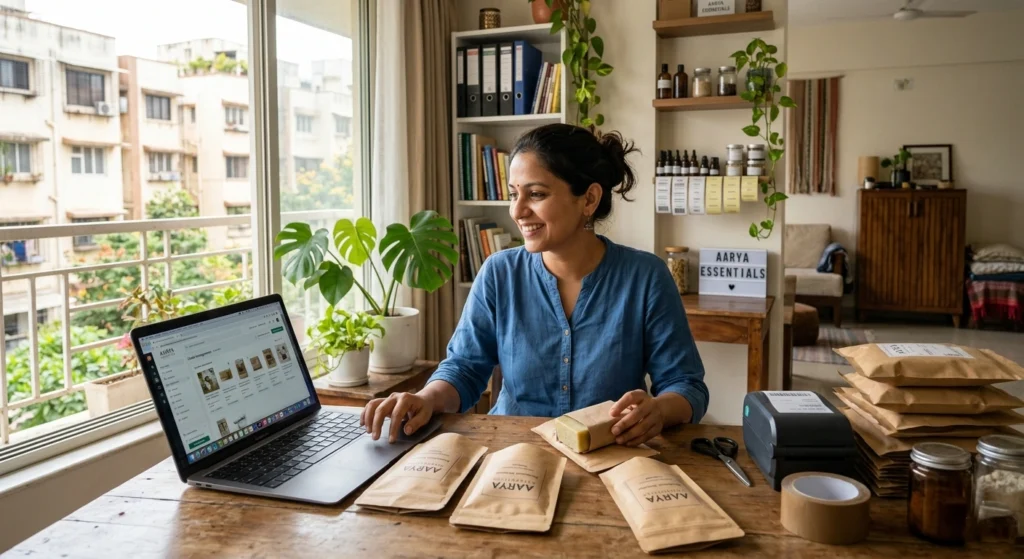
7. Sustainable Fashion Upcycling Service
As eco-consciousness rises, many Mumbaikars want to repurpose their expensive ethnic wear or designer outfits instead of buying new ones. A home-based business that “upcycles” old sarees into modern silhouettes or customized accessories is a great way to start a boutique business that caters to this trend perfectly. It is profitable because the “raw material” is often provided by the client, and you are charging for your creative design and craftsmanship, which commands a premium in a city that values unique fashion.
- Investment Required: ₹50,000 – ₹1.5 Lakh (Sewing machines and basic inventory)
- Profit Margin Range: 45% – 65%
- How to Start: Create a portfolio of 5–10 upcycled designs, launch a dedicated Instagram page, and offer “wardrobe consultations” via Zoom.
- Best For: Creative women with a background in fashion design or tailoring.
- Resources: Pinterest for trends, Instagram Shopping, local “Karigari” networks.
8. Corporate Gifting Curation (Eco-Friendly & Local)
Mumbai is the hub of corporate gifting, but companies are moving away from plastic-heavy, generic hampers. Curating premium, sustainable gift boxes that feature products from local artisans or organic brands allows you to act as a bridge between small makers and large corporations. The profit lies in the bulk margins and the “curation fee.” Since it’s home-based, you save on warehouse costs by operating on a “just-in-time” assembly model.
- Investment Required: ₹2 Lakh – ₹5 Lakh (Initial stock and packaging)
- Profit Margin Range: 20% – 35%
- How to Start: Partner with 5–10 local eco-friendly vendors, design three “tier-based” sample hampers, and reach out to HR departments on LinkedIn.
- Best For: Women with strong networking skills and an eye for aesthetic packaging.
- Resources: IndiaMart for bulk sourcing, Canva for branding, LinkedIn.
9. Remote Admissions & Career Consulting
With Mumbai being a massive education hub, parents are often overwhelmed by school and college admission processes. A home-based consultancy that helps students with profile building, essay editing, and application tracking for both local and international institutions is a perfect example of a home-based business for women and is highly lucrative. It is profitable because it is a pure “knowledge” business with nearly zero overhead, and parents in Mumbai are willing to pay significant fees for specialized guidance that ensures their child’s future.
- Investment Required: ₹20,000 – ₹50,000 (Website and marketing)
- Profit Margin Range: 80% – 95%
- How to Start: Pick a niche (e.g., IB school admissions or US Master’s programs), offer free webinars to demonstrate expertise, and sign clients for end-to-end consulting.
- Best For: Former educators, HR professionals, or academic writers.
- Resources: CollegeBoard, LinkedIn, Zoom for consultations.
D. Health & Wellness Business Ideas in Mumbai

10. Corporate Mental Wellness Coaching
Mumbai’s high-pressure corporate environment in sectors like finance and tech has created a massive demand for mental health support. A Low Investment Business that offers structured wellness programs covering stress management, burnout prevention, and mindfulness directly to companies is highly profitable. It works because businesses are now investing in “employee retention” as a key strategy. By offering B2B contracts instead of individual sessions, you secure consistent, high-ticket recurring revenue with minimal physical infrastructure.
- Investment Required: ₹1 Lakh – ₹3 Lakh
- Profit Margin Range: 60% – 80%
- How to Start: Obtain relevant certifications, develop a modular “Wellness Toolkit” for HR teams, and offer a free workshop to one corporate department to build a case study.
- Best For: Psychology graduates or HR professionals with strong public speaking skills.
- Resources: LinkedIn for B2B outreach, Zoom/Teams for sessions, mental health certification bodies.
11. Mobile Elderly Care & Physiotherapy
With a significant population of seniors whose children may be working in different cities or abroad, mobile healthcare is a high-demand, empathetic niche. Providing specialized physiotherapy or post-operative care at the patient’s home in residential areas like Juhu or South Mumbai eliminates the need for an expensive clinic. It is profitable because you charge a premium for the convenience of “home service,” and the aging demographic ensures a steady, long-term client base with high referral potential.
- Investment Required: ₹2 Lakh – ₹5 Lakh
- Profit Margin Range: 40% – 55%
- How to Start: Hire or partner with certified physiotherapists, register on local medical listing sites like Practo, and distribute brochures in high-end housing societies.
- Best For: Medical professionals or operations-driven founders.
- Resources: Practo for Business, portable physiotherapy equipment (TENS/Ultrasound), local residential associations.
12. Premium Health Drink & Cold-Pressed Juice Bars
As Mumbai moves away from sugary sodas, the market for fresh, cold-pressed juices and functional health drinks (like Kombucha or Ayurvedic shots) is exploding. Placing small, aesthetically designed juice bars in corporate parks or upscale gym clusters is a high-margin play. The profitability comes from the “premium health” tag, allowing for high markups on simple ingredients. The model is easily scalable via a franchise-lite approach once the first location is stabilized.
- Investment Required: ₹4 Lakh – ₹8 Lakh
- Profit Margin Range: 35% – 50%
- How to Start: Source organic produce directly from farmers, lease a 50-100 sq. ft. kiosk in a high-footfall wellness zone, and focus on sustainable, glass-bottle packaging.
- Best For: Fitness-conscious entrepreneurs interested in retail and supply chain management.
- Resources: Cold-press juicer machines, organic farm networks, FSSAI registration.
E. Real Estate & Urban Service Business Ideas

13. Professional Deep Cleaning & Sanitization Services
In Mumbai’s dusty and humid environment, standard daily cleaning often isn’t enough for high-end apartments and commercial offices. A specialized “Deep Cleaning” business that uses industrial-grade equipment for upholstery, kitchen degreasing, and floor polishing is a recurring necessity. It is profitable because you are targeting a clientele that values hygiene and time more than money. The business relies on a trained crew and word-of-mouth in large residential complexes.
- Investment Required: ₹2 Lakh – ₹4 Lakh (Equipment and initial staff training)
- Profit Margin Range: 30% – 45%
- How to Start: Invest in professional vacuum cleaners and steam machines, hire 2-3 trained workers, and run localized Facebook/Instagram ads targeting specific posh pin codes.
- Best For: Individuals with strong supervisory skills and a focus on operational quality.
- Resources: Industrial cleaning equipment suppliers, Urban Company (for initial lead generation).
14. Prop-Tech Investment Advisory
Mumbai real estate is complex, and many first-time buyers are terrified of legal loopholes or bad investments. A consultancy that uses data-driven “Prop-Tech” tools to provide verified investment reports, title checks, and ROI projections is a high-value service. You aren’t just a broker; you are a consultant. Profitability lies in the high consultancy fees and the trust-based model which leads to high-ticket commissions on successful closings.
- Investment Required: ₹1 Lakh – ₹2 Lakh (Data tools and website)
- Profit Margin Range: 70% – 90% (Service-based)
- How to Start: Gain deep knowledge of RERA and local zoning laws, subscribe to real estate analytics tools, and build a “knowledge-first” brand on LinkedIn or YouTube.
- Best For: Finance professionals or former real estate agents with a tech-savvy edge.
- Resources: RERA Maharashtra portal, real estate data APIs, CRM.
15. Local Logistics for Small E-commerce Brands
With hundreds of D2C brands emerging in Mumbai, there is a massive gap for “same-day” hyper-local delivery that is more reliable than generic couriers. A logistics service that focuses on a 5-10km radius (e.g., just the Western Suburbs) for fragile or premium goods like cakes, flowers, or high-end fashion is a winner. Profitability comes from high density delivering multiple packages in a small area reduces fuel and time costs significantly.
- Investment Required: ₹2 Lakh – ₹5 Lakh (Delivery fleet/e-bikes and basic tracking app)
- Profit Margin Range: 20% – 30%
- How to Start: Onboard 5-10 local Instagram-based businesses, hire reliable riders with e-bikes, and use a simple delivery management software to optimize routes.
- Best For: Operations-heavy founders who enjoy logistics and coordination.
- Resources: Delivery management software (like Shiprocket or local clones), EV scooter rentals.
F. Event & Entertainment Business Ideas in Mumbai

16. Corporate Team-Building & Retreat Organizer
With the hybrid work culture, Mumbai’s corporate firms are struggling to maintain team cohesion. A specialized agency that organizes “unconventional” team-building experiences—ranging from high-tech scavenger hunts in South Mumbai to weekend strategy retreats in nearby Karjat or Alibaug is highly profitable. Businesses are willing to pay a premium for high-impact, “done-for-you” logistics that improve employee morale. Profitability comes from vendor commissions (hotels/transport) plus a significant management fee.
- Investment Required: ₹1 Lakh – ₹3 Lakh (Website, marketing, and initial vendor tie-ups)
- Profit Margin Range: 20% – 35%
- How to Start: Curate 3 distinct “experience packages,” network with HR managers at BKC corporate offices, and execute a small pilot event to gather video testimonials.
- Best For: Individuals with strong networking skills and a knack for logistics and hospitality.
- Resources: LinkedIn for B2B sales, local resort partnerships, and event management software.
17. Niche Pop-up Market Curator
Mumbai loves weekend markets, but the trend has shifted from “general” fleas to hyper-niche pop-ups (e.g., Vegan-only, Sustainable Fashion, or Sneakerhead conventions). As a curator, you rent a high-visibility space (like a mall atrium or a Bandra cafe), curate 15–20 vendors, and handle the marketing. This is profitable because you collect booth fees upfront and often take a percentage of total sales, while the vendors handle the actual product inventory.
- Investment Required: ₹2 Lakh – ₹5 Lakh (Venue deposit and aggressive social media marketing)
- Profit Margin Range: 30% – 50% per event
- How to Start: Identify an underserved niche, secure a trendy venue for a one-day pilot, and use Instagram influencers to drive footfall.
- Best For: Creative directors and marketing-savvy founders who understand Mumbai’s subcultures.
- Resources: Instagram/TikTok for promotion, local venue booking platforms, vendor databases.
18. Technical Event Production for Hybrid Seminars
While physical events are back, every major seminar in Mumbai now requires a high-quality “hybrid” component (live streaming, interactive Slido sessions, and professional recording). A production house that provides the tech stack high-end cameras, low-latency streaming servers, and interactive LED backdrops is in high demand. It is profitable because specialized technical equipment commands high daily rental rates, and corporate clients prefer one-stop-shop reliability over cheap, fragmented vendors.
- Investment Required: ₹8 Lakh – ₹15 Lakh (High-end AV equipment and streaming tech)
- Profit Margin Range: 40% – 60%
- How to Start: Invest in core streaming hardware, build a small team of AV technicians, and partner with event planners as their “tech arm.”
- Best For: Individuals with a background in media, sound engineering, or IT.
- Resources: Blackmagic Design/Sony gear, OBS Studio, professional networking sites.
G. Service-Based Business Ideas in Mumbai

19. Subscription-Based Office Maintenance
Small and medium offices in Mumbai often struggle to find reliable plumbers, electricians, or IT support on short notice. A subscription service that provides “on-call” maintenance for a fixed monthly fee solves this headache. It is profitable because it builds a recurring revenue model. By grouping clients in the same commercial building (like a hub in Lower Parel), you minimize travel time and maximize the productivity of your service crew.
- Investment Required: ₹2 Lakh – ₹4 Lakh (Tools, basic inventory, and staff uniforms)
- Profit Margin Range: 25% – 40%
- How to Start: Hire 2 multi-skilled technicians, create a “Basic/Pro” monthly plan, and do a door-to-door pitch in commercial complexes.
- Best For: Operations-focused founders who can manage manual labor and scheduling.
- Resources: Local trade schools for hiring, simple CRM for ticket tracking.
20. Luxury Wardrobe & Leather Care
Mumbai’s humidity is the enemy of expensive leather bags, shoes, and luxury ethnic wear. A premium service that offers climate-controlled storage, professional cleaning, and restoration for high-end fashion items is a goldmine. This is profitable because you are servicing “Veblen goods” clients who spend lakhs on a bag are happy to pay thousands to maintain it. The “trust factor” in this niche allows for very high margins.
- Investment Required: ₹3 Lakh – ₹6 Lakh (Cleaning chemicals, specialized tools, and a secure pickup van)
- Profit Margin Range: 50% – 70%
- How to Start: Get trained in leather restoration, set up a sterile workshop, and target high-net-worth individuals in SoBo and Bandra via digital ads.
- Best For: Young entrepreneurs who are detail-focused and passionate about luxury fashion.
- Resources: Specialized cleaning supply imports, Instagram for visual “Before/After” proof.
21. Pet Concierge & Premium Boarding
With the pet humanization trend, Mumbai pet owners are looking for more than just a kennel. A “concierge” service that handles vet visits, grooming appointments, and provides “home-style” premium boarding (no cages) is highly sought after. Profitability lies in the “add-on” services like organic pet meals or photo updates. Since space is a constraint in Mumbai, a well-managed, clean facility in the suburbs can charge premium daily rates.
- Investment Required: ₹5 Lakh – ₹10 Lakh (Space rental, soundproofing, and pet-friendly interiors)
- Profit Margin Range: 30% – 45%
- How to Start: Secure a space with good ventilation, obtain necessary local permissions, and build a presence in local “Pet Parent” WhatsApp groups.
- Best For: Animal lovers with strong administrative and hospitality skills.
- Resources: Local vet tie-ups, pet insurance providers, social media.
H. Finance & Tech Business Ideas in Mumbai
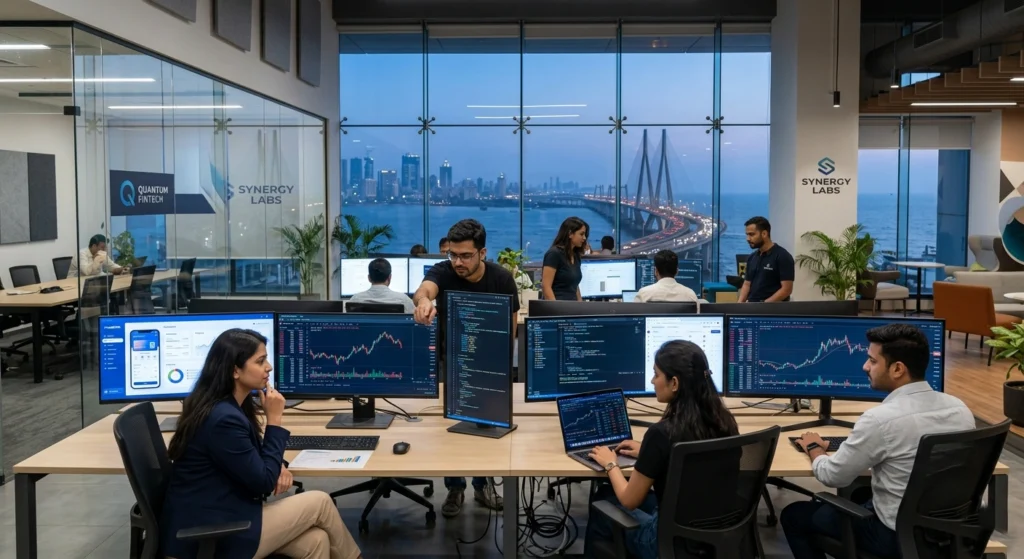
22. Personal Wealth Management for Young Professionals
With the influx of high-salaried tech and finance professionals in Mumbai, there is a massive gap for “relatable” financial planning. Moving away from traditional, intimidating banking setups, this business focuses on goal-based investing (e.g., buying a home in Mumbai, retirement at 45) for the under-35 demographic. It is profitable because you can charge a fee-only model or a percentage of Assets Under Management (AUM), and once trust is established, the customer lifetime value is immense.
- Investment Required: ₹1 Lakh – ₹3 Lakh (Certifications and basic digital infrastructure)
- Profit Margin Range: 70% – 90% (Knowledge-based)
- How to Start: Get AMFI or SEBI Registered Investment Advisor (RIA) certifications, build a personal brand on LinkedIn/YouTube sharing financial tips, and use automated tools for portfolio tracking.
- Best For: Finance graduates or CA/CFAs with strong communication skills and a digital-first approach.
- Resources: SEBI/AMFI portals, financial planning software like Kuvera or Goalwise for advisors.
23. Specialized FinTech Compliance Consulting
Mumbai is the headquarters of India’s banking sector, and the rise of new FinTech startups has led to a surge in regulatory complexity. A consultancy that helps these startups navigate RBI guidelines, data privacy laws, and digital lending licenses is a high-value niche. Profitability is driven by the specialized nature of the work; companies will pay a massive premium to avoid legal penalties or license rejections.
- Investment Required: ₹50,000 – ₹2 Lakh
- Profit Margin Range: 60% – 85%
- How to Start: Master RBI’s latest Master Directions on FinTech, offer “Compliance Audits” for early-stage startups, and network at FinTech events in BKC.
- Best For: Law or Finance professionals with an interest in technology and regulation.
- Resources: RBI official website, NASSCOM, FinTech forums.
24. Fractional CTO / Tech Strategy for Non-Tech Founders
Many traditional business owners in Mumbai (jewelers, manufacturers, traders) want to digitize but don’t know how to hire or manage developers. As a Fractional CTO, you provide high-level tech strategy, vendor selection, and project oversight without them having to hire a full-time executive. This is highly profitable because you can consult for 3–4 companies simultaneously, charging a high retainer fee while having zero overhead.
- Investment Required: ₹20,000 – ₹50,000 (Purely professional networking and branding)
- Profit Margin Range: 90% – 100%
- How to Start: Highlight your technical leadership experience, offer a “Digital Roadmap” audit for traditional businesses, and use your network to find founders struggling with tech debt.
- Best For: Experienced Software Engineers or Tech Leads looking for an entrepreneurial path.
- Resources: LinkedIn, Upwork (for global benchmarking), project management like Jira or Linear.
25. Data Analytics as a Service (DaaS) for Local Retailers
While large chains have data teams, local “supermarkets” or high-end retail stores in Mumbai sit on piles of billing data they don’t use. This business involves taking their raw data and providing actionable insights—like which products are cross-selling, when to stock up, and who their most loyal customers are. It is profitable because you are creating direct revenue growth for the client, making your service indispensable and easy to justify as a monthly expense.
- Investment Required: ₹1 Lakh – ₹2 Lakh (Data processing tools and marketing)
- Profit Margin Range: 50% – 70%
- How to Start: Master data visualization tools (Tableau/Power BI), offer a free “Data Health Check” to a local retailer, and build a dashboard that shows them their sales trends.
- Best For: Data Science analysts who want to work locally.
- Resources: Python/R for analysis, Tableau, Google Looker Studio.
How To Start A Business In Mumbai – Step-By-Step
Moving from a brilliant idea to a functional, legal entity in Mumbai requires a structured approach to navigate the city’s competitive regulations and operational costs. By following this chronological roadmap, you can minimize your initial “burn rate” while ensuring your venture is fully compliant with the latest 2026 digital standards.
Step 1: Research & Validate Your Idea
Everything begins with data. In a high-stakes market like Mumbai, you don’t start with a grand launch; you start with validation. Use digital tools like Google Trends or conduct “street surveys” in areas like Bandra or Andheri to see if Mumbaikars are willing to pay for your solution. Many founders in 2026 launch a Minimum Viable Product (MVP) such as a basic landing page or an Instagram test to gauge interest before investing significant capital.
Step 2: Choose Business Structure (OPC, LLP, Pvt Ltd)
Once you have “proof of concept,” you must decide on your legal framework. If you are building a tech startup and want to raise venture capital, registering as a Private Limited (Pvt Ltd) company is the standard. If you are a freelancer or a solo consultant, an One Person Company (OPC) provides limited liability without the complexity of a full board. For partners in service industries, an LLP is the most cost-effective path.
Step 3: Register with ROC + GST + Gumasta
With your structure chosen, you move into the official registration phase. You’ll first register with the Registrar of Companies (ROC) to get your Corporate Identity Number. Next, apply for GST (mandatory if turnover > ₹20L) and the Gumasta License via the MCGM portal. In 2026, most of these are “faceless” digital applications, but ensure your address proof is 100% accurate to pass automated verification.
Step 4: Set up Bank Account + UPI/Payment Gateway
Legal papers in hand, your next move is opening a business bank account. In 2026, a bank account alone isn’t enough; you must immediately integrate a UPI-enabled payment gateway like Razorpay or Cashfree. Since Mumbai consumers favor “one-click” payments, having a seamless digital checkout experience is essential for maintaining a healthy cash flow from the very first day
Step 5: Choose Location (Home-based vs Office vs Online)
Now, decide where the “hustle” happens. To keep overheads low, many founders now start Online or use a Home-based model for registration. If you need a physical presence, many use a Virtual Office in a prime district like BKC for their letterhead while actually operating from a co-working space in Navi Mumbai or Thane to save on high rental costs.
Step 6: Hire Team (if needed) + Set Operations
Unless you are a solopreneur, you need a lean, fast-moving team. Use LinkedIn and local networking events to find people who understand the “Mumbai speed.” Set up your operational workflows using cloud-based project management tools. In 2026, most startups focus on a hybrid model to ensure the team stays synchronized regardless of the city’s infamous traffic and commute times.
Step 7: Launch Marketing (Instagram, Google, WhatsApp)
With the engine running, it’s time to tell the city you exist. Don’t waste budget on broad marketing; use Instagram and Google Ads to target specific pin codes (e.g., just Juhu or South Mumbai). Leverage WhatsApp Business to build a direct line of communication with your early adopters. In Mumbai, word-of-mouth in local groups is powerful, so focus on making your first 50 customers brand evangelists.
Step 8: Track Performance + Scale
The final step is the transition from “surviving” to “thriving.” Use data analytics to track your Customer Acquisition Cost and Monthly Recurring Revenue. Once your systems are stable and your profit margins are healthy, look for opportunities to scale this could mean opening a second location, expanding your digital reach, or pitching to local angel investors for your next phase of growth.
Best Areas In Mumbai To Start A Business
Choosing the right location in Mumbai is a strategic trade-off between high visibility and operational costs. In 2026, the city’s commercial map has expanded, offering distinct advantages depending on your industry and target audience.
Bandra-Kurla Complex (BKC)
Known as the city’s premier financial district, BKC is the ultimate destination for high-end B2B services, fintech startups, and upscale dining. While the rentals are among the highest in the country, the proximity to global corporate headquarters and investment firms provides unparalleled networking opportunities. It is the best location for founders who need to build “prestige” and be within walking distance of Mumbai’s most influential decision-makers.
Andheri (East & West)
Andheri remains the most versatile business hub in Mumbai due to its massive residential-cum-commercial density. The East side is a powerhouse for IT, logistics, and media production houses, benefiting from its closeness to the international airport and Western Express Highway. Andheri West, on the other hand, is the heartbeat of the creative and lifestyle sectors, making it the go-to spot for boutique agencies, fashion brands, and trendy cafes.
Navi Mumbai (Vashi & Airoli)
For founders looking to scale without the crippling overheads of the main island, Navi Mumbai has emerged as the 2026 hotspot for tech and green-energy startups. With improved connectivity via the MTHL (Atal Setu), this area offers modern, large-scale office spaces and a younger, tech-savvy workforce. It is particularly profitable for logistics-heavy businesses and data centers that require better infrastructure and more breathing room.
Lower Parel & Worli
Once the mill heartland, this area is now the center of Mumbai’s luxury retail, advertising, and high-end nightlife. It is the ideal launchpad for “lifestyle” businesses, premium wellness centers, and specialized event management firms. The area attracts a high-spending “work-hard, play-hard” crowd, making it perfect for consumer-facing brands that rely on high-income footfall and a cosmopolitan vibe.
Powai
Often referred to as Mumbai’s “Silicon Valley,” Powai is the preferred ecosystem for tech-driven startups and education-based ventures. The presence of IIT Bombay and a high concentration of young professionals creates a unique culture of innovation and mentorship. The area is highly self-contained, offering a mix of premium residential clusters and vibrant commercial hubs, making it ideal for founders who want a “live-work-play” environment.
Business Ideas In Mumbai With Low Investment (Under ₹1 Lakh)
If you are looking to start small and scale fast, these five ideas allow you to tap into Mumbai’s massive economy with minimal financial risk and high flexibility.
Social Media Management for Local Brands:
Thousands of small boutiques, dental clinics, and cafes in Mumbai need a professional online presence but cannot afford big agencies. With just a smartphone and a laptop, you can offer content creation and community management services to local businesses in your immediate neighborhood. This model is highly profitable as it carries almost zero overhead and works perfectly as a Part-Time Business, especially for students or working professionals looking for extra income.
Home-Based Cloud Kitchen for Niche Snacks:
Instead of a full-scale restaurant, you can start a micro-bakery or a specialty snack brand (like healthy protein bars or regional sweets) from your own kitchen. By using platforms like Instagram and WhatsApp for orders and local delivery apps for fulfillment, you can reach a massive audience without paying for a commercial lease. The primary investment goes toward high-quality packaging and initial ingredients.
Corporate & Professional Resume Writing:
Mumbai is home to a competitive job market with millions of students and mid-level professionals looking to stand out. If you have strong writing and HR insights, you can launch a consultancy that optimizes resumes and LinkedIn profiles for specific industries like Finance or IT. This is a pure “knowledge” business where your only investment is a professional website and some targeted LinkedIn networking.
Freelance Real Estate Photography & Video:
With the real estate market in areas like Navi Mumbai and Thane booming, brokers are desperate for high-quality visuals to list properties online. If you own a decent camera or even a high-end smartphone with a gimbal, you can offer specialized “walkthrough” video services. This is a high-demand service in Mumbai’s “digital-first” property market, charging per shoot with no recurring costs.
Personal Errands & Concierge Service:
In a city as time-crunched as Mumbai, busy professionals and senior citizens often need help with daily tasks like document pickups, specialized grocery shopping, or waiting in line for government work. You can start a boutique concierge service that caters to a specific high-end residential cluster. Your main investment is a reliable two-wheeler and a simple mobile app or WhatsApp bot to manage bookings.
Business Ideas in Mumbai for Women
Mumbai’s entrepreneurial landscape offers incredible flexibility for women to build high-revenue brands that balance professional ambition with creative freedom. These five ideas focus on sectors where the city’s female-led workforce is currently seeing the most significant growth.
Eco-Friendly Beauty and Skincare Brand:
With the 2026 shift toward clean living, there is a massive market for “handmade in Mumbai” skincare products that use organic, locally sourced ingredients. By starting with a small batch of soaps, serums, or hair oils from home, you can target health-conscious women in areas like Juhu and Bandra. The profitability lies in the high markup on artisanal products and the ability to sell directly to consumers via Instagram and niche weekend markets.
Remote Career Coaching for Return-to-Work Mothers:
Many women in Mumbai take career breaks and face challenges when trying to re-enter the corporate world. A consultancy that offers specialized workshops on confidence building, interview prep, and upskilling for the modern tech-driven workplace is a high-value service. This business requires zero physical office space and can be operated entirely through Zoom, making it an ideal “knowledge-based” venture with low overhead.
Artisanal Home Decor and Macramé Studio:
As Mumbaikars spend more on making their apartments “Instagrammable,” handmade home accents like wall hangings, plant holders, and custom cushion covers are in high demand. This is a perfect home-based business where you can showcase your craftsmanship. By partnering with local interior designers or listing on platforms like Etsy, you can turn a creative hobby into a scalable brand that caters to the city’s booming real estate and decor market.
Childhood Development and Activity Kits:
Busy parents in Mumbai are constantly looking for ways to reduce their children’s screen time with educational engagement. You can design and sell subscription-based “activity boxes” that focus on STEM or sensory learning for different age groups. These kits are easy to assemble at home and can be marketed directly through school WhatsApp groups and parenting communities, providing a steady, recurring monthly income.
Freelance Content Writing and Copywriting:
Mumbai’s massive media and advertising hub is always in need of sharp, relatable voices to write everything from ad copy to blog posts. If you have a flair for storytelling, you can work as a freelance consultant for D2C brands and startups. This role offers the ultimate flexibility to work from anywhere in the city while allowing you to build a diverse portfolio that ranges from fashion journalism to technical finance writing.
Conclusion
Mumbai in 2026 remains the ultimate land of opportunity for those willing to match the city’s famous “hustle” with a smart, digital-first strategy. Whether you are a student launching your first tech agency, a woman entrepreneur building a sustainable brand from home, or a professional entering the booming health-tech sector, the city provides an ecosystem unlike any other in India. With over $2.1 billion in recent startup funding and a massive, diverse population of 20 million consumers, the potential to scale a small idea into a massive enterprise through Business Ideas in Mumbai is very real provided you focus on solving actual problems and staying adaptable.
Success in this competitive landscape comes down to starting lean and validating your ideas before committing heavy capital. By following the legal roadmap, choosing a strategic location like Navi Mumbai or Andheri, and leveraging digital tools like Instagram and WhatsApp, you can navigate the high costs of the city while maximizing your reach. Mumbai doesn’t just offer a market; it offers a launchpad. If you are ready to put in the work and align your business with the trends of 2026, there is no better place in the world to turn your entrepreneurial dreams into a profitable reality.
FAQs
Q1. What Is The Most Profitable Business In Mumbai In 2026?
In the current year, AI Consulting for SMEs and Real Estate Prop-Tech are leading in terms of profit margins. This is because they solve high-value problems with relatively low physical overhead. However, in terms of volume, Cloud Kitchens catering to health-conscious professionals remain incredibly lucrative due to the city’s high-density working population.
Q2. Which Business Can I Start In Mumbai With ₹1 lakh?
With a budget of ₹1 lakh, service-based digital businesses are your best bet. You can start a Social Media Management Agency, a Content Creation Studio, or a Resume Writing Consultancy. These ventures primarily require a laptop, a strong internet connection, and your specific expertise, allowing you to bypass Mumbai’s expensive commercial rentals.
Q3. What Are The Best Home-Based Business Ideas In Mumbai?
The most successful home-based models in 2026 include Corporate Gifting Curation, Online Admissions Consulting, and Handmade Sustainable Fashion. These ideas leverage Mumbai’s massive gift-giving culture and its status as an education hub, all while allowing you to operate within the comfort of your own space.
Q4. Which Areas In Mumbai Are Best For Starting A business?
The “best” area depends on your niche. BKC is the gold standard for finance and corporate services, Andheri East is the hub for media and tech, and Navi Mumbai is the rising star for logistics and green-energy startups. For lifestyle and retail brands, Bandra and Lower Parel offer the highest visibility.
Q5. Is Digital Marketing A Good Business To Start In Mumbai?
Yes, it is one of the most resilient businesses in 2026. As traditional “Kirana” stores and local luxury boutiques transition into the digital-first economy, the demand for Hyper-local SEO and Performance Marketing is at an all-time high. The competition is stiff, but a niche-focused agency can secure long-term, high-ticket retainers.