Marketing campaigns often look simple when they are finished. The audience sees the advertisement, social post, product page or promotional graphic, but they do not see how many ideas were rejected before the final version was chosen.
For marketers, testing those ideas early can save time and prevent expensive mistakes. A campaign may have a strong message but use the wrong visual style. A product image may look attractive but fail to fit the brand. A social media concept may seem interesting in a meeting but feel completely different when placed in an actual feed.
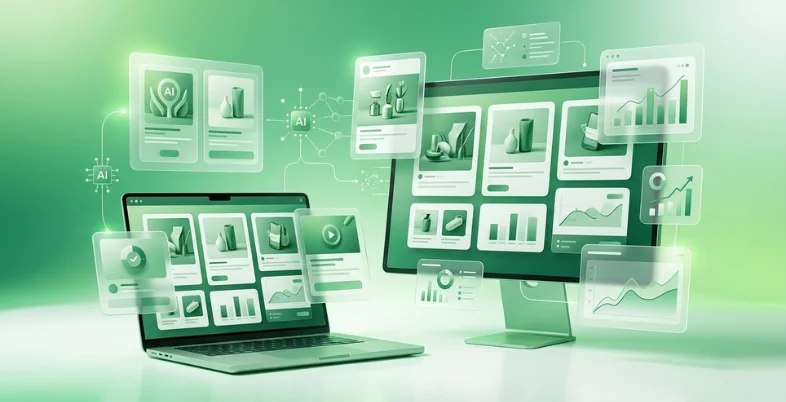
An AI Image Generator can give marketing teams a practical way to explore those possibilities, with Higgsfield helping marketers develop visual concepts and compare creative directions before committing to a final campaign. Instead of developing every concept from scratch, marketers can create rough visual directions, compare them and decide which ideas deserve further work.
This approach fits well with Marketing Hack4U’s focus on practical marketing, AI tools and actionable advice. Its current guest post guidelines also call for original, useful content, a focused topic, practical recommendations, H2/H3 formatting and a friendly, readable style. The important point is that AI should support campaign testing, not replace marketing judgment.
Why Testing the Idea Before the Campaign Matters
A campaign can fail for reasons that are difficult to spot when an idea exists only in a presentation or a conversation. Imagine a marketing team planning a seasonal promotion for an online store. The team has several possible directions: a clean product focused design, a lifestyle approach, a bold promotional style or something more understated. Creating finished versions of all four could take considerable time.
An AI Image Generator can help create rough representations of those directions quickly. The team can then compare them side by side and ask a more useful question: which concept appears most appropriate for the intended audience?
This does not mean the generated images should automatically become advertisements. They are better viewed as early stage references.
The same approach works for social media campaigns. A marketer may have an idea for an Instagram post but may not know whether the visual will work within the surrounding feed. A quick concept can provide enough context to reconsider the composition before the design team spends time producing the final asset.
Higgsfield can be part of this early experimentation process when marketers want to explore different creative directions. Rather than treating the first result as the answer, the team can use it as one option among several. That small change in mindset can make AI much more useful.
From Campaign Brief to Visual Experiment
A good campaign test should begin with the marketing objective, not the technology. Before opening an AI Image Generator, define what the campaign is supposed to achieve. Is the goal to introduce a product, generate awareness, encourage sign ups, promote an offer or explain a service?
The audience matters just as much. A visual aimed at first time buyers may need a different approach from one aimed at existing customers.
Once those basics are clear, the team can describe several possible creative directions. For example:
- A product led concept
- A lifestyle focused concept
- A problem and solution concept
- A minimal brand led concept
- A promotional concept
The goal is not to produce polished campaign material immediately. It is to see whether the underlying creative direction makes sense.
An AI Image Generator can make this stage faster because marketers can explore multiple visual interpretations without designing every option manually.
Higgsfield may also be useful when the team wants to experiment with different treatments before selecting one direction. The value comes from comparison. If five concepts all look different but communicate the same campaign message, the team can discuss which one feels most appropriate.
This process also gives copywriters, designers and marketing managers something concrete to react to.
Where Marketers Can Test Visual Concepts
There are many places where early visual experimentation can help.
Social Media Campaigns
Social platforms move quickly, and marketers often need to decide whether an idea will work before investing heavily in production.
An AI Image Generator can help a team explore different post concepts, product arrangements, backgrounds or campaign moods. These drafts can then be reviewed for brand fit and audience relevance.
The purpose is not to assume that generated imagery is ready for publishing. Instead, it helps answer questions about direction.
Would the concept stand out in a busy feed? Is the product easy to recognise? Does the visual communicate the intended message without requiring a long explanation?
These questions can be answered more easily when the idea is visible.
Product Promotions
Product marketing can involve several possible approaches. A company may want to show the product in use, highlight a particular feature or present it in a lifestyle setting. An AI Image Generator can help marketers compare those approaches during planning.
For example, a skincare brand could consider whether a campaign should focus on the packaging, the product in a bathroom setting or a lifestyle scene. Each option creates a different impression.
The marketing team can explore those directions first and then decide which concept deserves professional photography or design work.
Website and Landing Page Concepts
Landing pages often depend heavily on their opening visual.
An AI Image Generator can help marketers explore possible hero image directions before the page is finalised. A team might compare a product focused image with an illustration, a lifestyle scene or a more abstract concept.
This can also encourage better conversations between marketers and designers. Instead of saying, “I want something modern,” the marketer can provide several rough examples and explain what works or does not work about each one. That makes feedback more specific.
Advertising Concepts
Paid advertising requires careful testing because creative choices can affect how people respond to an offer. An AI Image Generator can help teams explore several visual ideas before producing final ad assets. Marketers can compare different compositions, product placements and visual themes while keeping the campaign message consistent.
The generated concepts should still go through the normal review process. Product claims, brand requirements, legal considerations and platform policies need to be checked before anything is published.
Higgsfield can be useful during the exploration stage, particularly when a team wants to compare creative treatments without immediately committing to a finished production.
What Marketers Should Look for During Testing
Creating several images is easy. Knowing what to learn from them is more important.
When reviewing AI generated concepts, marketers should look beyond whether an image simply looks attractive.
Ask:
Does The Visual Support The Campaign Message?
A beautiful image can still be ineffective if the audience cannot understand what is being promoted.
Does It Fit The Brand?
Colours, tone, composition and overall style should feel compatible with the company’s existing identity.
Does It Make The Product Or Offer Understandable?
If the main subject is hidden or confusing, the concept may need another direction.
Would It Make Sense To The Intended Audience?
A creative idea that looks impressive internally may not connect with the people the campaign is trying to reach.
Can The Concept Be Produced Properly?
Some AI generated ideas may be difficult or expensive to reproduce using photography, design or video production.
Using an AI Image Generator for these questions can make the review stage more productive because the team has multiple examples to discuss.
The Human Review Still Matters
AI can generate possibilities quickly, but marketers still have to decide which possibilities are worth pursuing. An AI Image Generator does not know a company’s complete history, customer relationships, positioning or internal priorities unless people provide that context. Even then, it cannot replace the understanding developed through research and experience.
Human review is particularly important when an image contains products, people, text or specific brand details. Generated material can contain mistakes, unrealistic objects or details that do not accurately represent the product.
Higgsfield should therefore be treated as part of the experimentation process rather than the final decision maker. The same principle applies to campaign performance. A concept may look promising before launch but still need real world testing with the audience.
Visual experimentation is useful because it helps narrow the options. It does not eliminate the need for actual marketing tests.
A Practical Workflow for Campaign Teams
A simple workflow can keep the process organised.
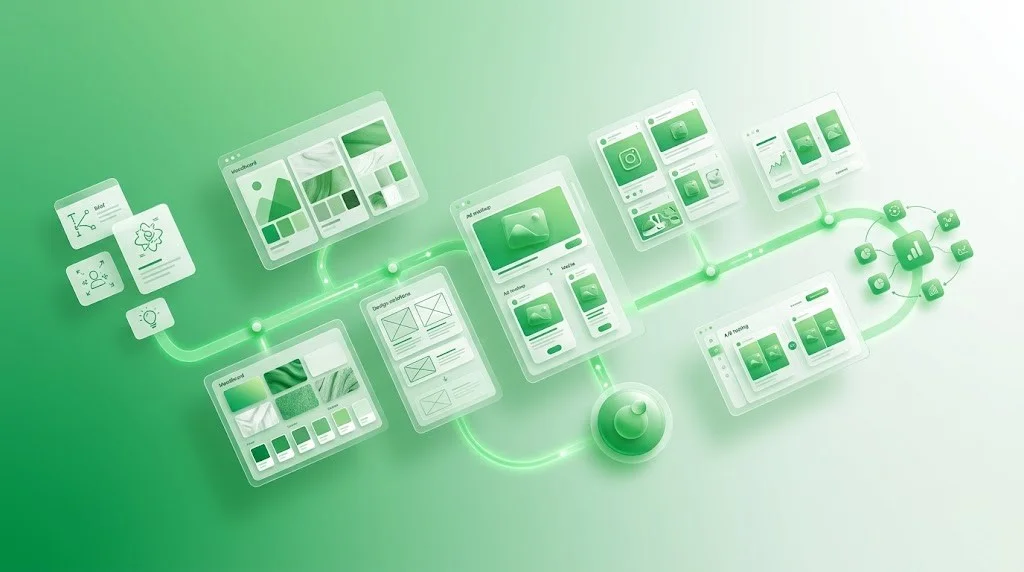
Start with the objective. Write down what the campaign needs to accomplish and who it is intended for.
Create several directions. Use an AI Image Generator to explore different visual approaches instead of trying to perfect one concept immediately.
Review the concepts. Remove ideas that are confusing, off brand or difficult to produce.
Develop the strongest options. Take the best concepts into the appropriate design, photography or production workflow.
Test the finished assets. Where possible, use audience feedback, engagement data, conversion information or controlled experiments to determine what actually works. A rejected concept can still teach the team something about audience preferences or brand communication.
Higgsfield can fit into the second and third stages, where marketers are exploring and comparing ideas.
This workflow also prevents a common problem with AI tools: generating dozens of images without learning anything from them. More options do not automatically mean better marketing.
Using AI Without Losing Brand Consistency
One challenge with generated imagery is maintaining a consistent identity across a campaign.
An AI Image Generator may produce visually different results from one prompt to another. That can be useful during brainstorming, but it can become a problem when several campaign assets need to feel like part of the same system. Marketers should therefore define the creative boundaries before generating large numbers of concepts.
These might include:
- Brand colours
- Typography direction
- Product positioning
- Photography style
- Target audience
- Tone of communication
- Preferred backgrounds
- Campaign message
The generated concepts can then be judged against those boundaries.
Higgsfield AI creative suits can be considered when a team wants to experiment with additional creative approaches, but consistency should remain more important than novelty. A campaign does not become stronger simply because every image looks different.
What an AI Image Generator Cannot Tell You
There is a temptation to treat a polished generated image as proof that an idea will work. It is not. An AI Image Generator cannot tell marketers whether customers will click an advertisement, purchase a product or remember a campaign. It can show a possible visual direction, but audience behaviour still needs to be measured.
It also cannot replace research into competitors, customers or market conditions. A generated concept may look original while unintentionally resembling an existing visual style. Teams should review generated material carefully, particularly when preparing commercial campaigns.
Copyright, licensing, trademarks, product accuracy and platform requirements should also be considered before publication. The safest approach is to treat generated images as creative references until they have been reviewed and approved.
Final Thoughts
An AI Image Generator can give marketing teams a faster way to explore campaign ideas before they invest heavily in production. It can help compare social media concepts, product promotion styles, advertising directions and website visuals while an idea is still flexible.
The real advantage is not simply speed. It is the ability to see several possibilities and make a more informed creative decision. Higgsfield can support that process by giving marketers another option for exploring visual directions. Higgsfield is most useful when it sits inside a broader workflow that includes research, brand strategy, human review and real campaign testing.
For marketers considering an AI Image Generator, the best question is not whether it can produce an impressive image. The better question is whether it helps the team make a smarter decision before launch.
When used that way, AI becomes less about generating endless alternatives and more about improving the quality of the ideas that eventually reach the audience.