
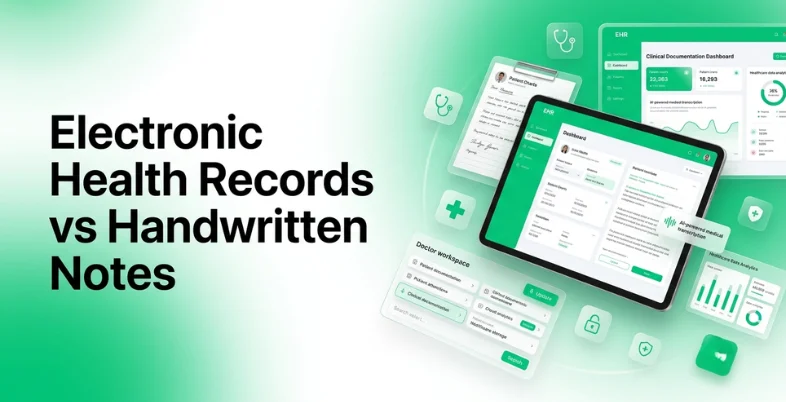
In the realm of healthcare, efficient and accurate documentation is a cornerstone of effective patient care. With the advent of technology, Electronic Health Records (EHRs) have emerged as a digital alternative to traditional handwritten notes, promising enhanced efficiency and data management.
This article explores how these two methods compare, particularly in streamlining the process of Dictating Clinical Notes. We will delve into the advantages and limitations of each approach, providing insights to help healthcare professionals make informed decisions about their documentation practices.
Electronic Health Records: A Modern Solution for Clinical Documentation
EHRs have revolutionized the way clinical notes are documented by offering a digital platform for healthcare providers to capture and organize patient information. A key feature of EHRs is their EHR Interoperability capability, allowing seamless data exchange between different healthcare systems. This ensures that patient information is accessible to authorized personnel across various facilities, enhancing the continuity of care.
Moreover, EHRs integrate with AI-Powered Health Analytics Platforms, enabling healthcare providers to analyze patient data efficiently and make informed decisions. The integration of such advanced technologies not only aids in better patient outcomes but also minimizes the time spent on manual data entry, thereby reducing errors commonly associated with handwritten notes.
Healthcare facilities that have adopted EHRs often see improvements in workflow efficiency. For instance, a study by the Journal of the American Medical Informatics Association found that EHR implementation can lead to a 20% increase in productivity among healthcare providers (Source: JAMIA, 2021). This is partly due to the streamlined processes facilitated by EHRs, such as automated reminders and digital templates for clinical documentation.
Handwritten Notes: The Traditional Approach in Healthcare Settings
Despite the digital transformation in healthcare, handwritten notes remain prevalent in many settings due to their simplicity and familiarity. They require no technical knowledge, making them accessible to all healthcare professionals regardless of their digital literacy. In some cases, handwritten notes are favored for their perceived personal touch, which some practitioners believe enhances patient-provider communication.
However, handwritten notes come with significant drawbacks, particularly in terms of efficiency and legibility. The lack of a standardized format can lead to inconsistencies in documentation, potentially impacting the quality of care. Moreover, as patient volumes increase, the time consumed in manually writing and organizing notes can be substantial, detracting from valuable patient interaction time.
Handwritten notes also pose challenges for HIPAA Compliance Auditors, as they can be easily misplaced or accessed by unauthorized individuals. This increases the risk of data breaches and non-compliance with privacy regulations, which can have severe legal and financial consequences for healthcare providers.
Comparative Analysis: Efficiency and Accuracy in Clinical Note Dictation
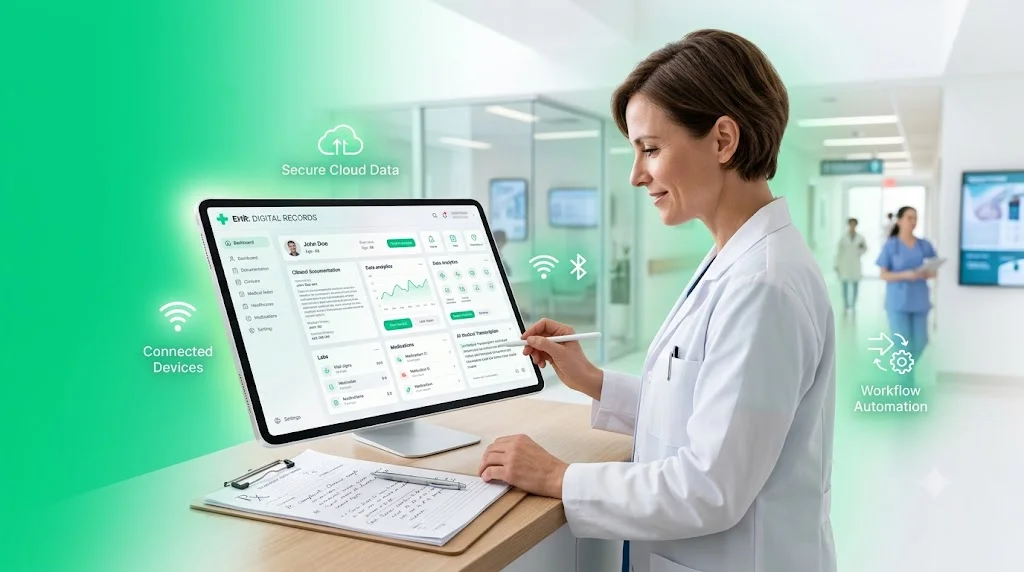
When comparing EHRs to handwritten notes, efficiency and accuracy emerge as critical factors. EHRs excel in these areas by leveraging technology to streamline the dictation process. With the integration of Digital Therapeutics Developers, EHR systems can provide real-time transcription services, significantly reducing errors associated with manual note-taking.
Furthermore, EHRs facilitate a more organized and accessible Clinical Data Warehouse, allowing healthcare providers to retrieve and analyze patient information quickly. This capability is particularly beneficial for Telehealth Integration Specialists who require remote access to patient records to deliver virtual care effectively.
In contrast, handwritten notes, while simple, often lack accuracy and can be difficult to decipher. The manual nature of this method increases the likelihood of transcription errors, which can adversely impact patient outcomes. As healthcare continues to evolve, the demand for more accurate and efficient documentation methods underscores the benefits of digital solutions over traditional practices.
Future Considerations: Choosing the Right Method for Your Practice
As healthcare agencies contemplate the best approach for clinical documentation, several factors must be considered. The choice between EHRs and handwritten notes should be guided by the specific needs and capabilities of the practice. Agencies must assess their technological readiness, budget constraints, and the potential impact on patient care.
For practices aiming to enhance efficiency and accuracy, investing in EHRs may be the optimal choice. These systems offer not only streamlined documentation processes but also improved data security through robust Cybersecurity Risk Assessments for Healthcare. Additionally, the use of Population Health Management Software can further support data-driven decision-making.
Conversely, smaller practices with limited resources may initially opt for handwritten notes, gradually transitioning to digital solutions as they expand. Regardless of the chosen method, continuous evaluation of documentation practices is essential to ensure they align with the evolving landscape of healthcare technology.
Conclusion
The comparison between Electronic Health Records and handwritten notes highlights a clear trend towards digital solutions in healthcare documentation. EHRs offer enhanced efficiency, accuracy, and security, making them a compelling choice for modern healthcare practices.
Agencies seeking to optimize their documentation processes should consider the long-term benefits of adopting technology-driven solutions to improve patient care and operational efficiency.