
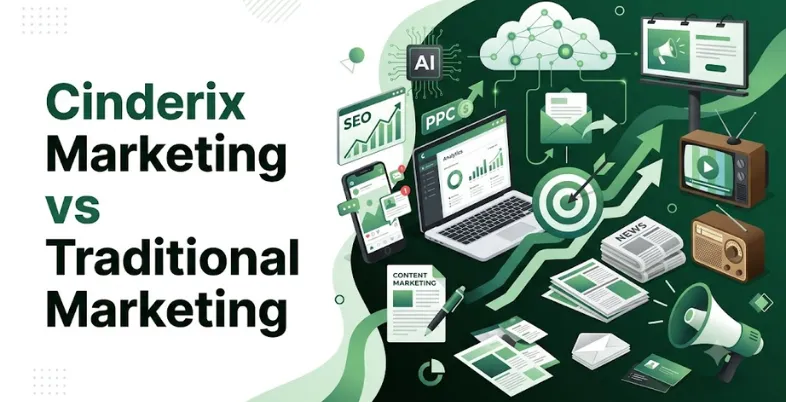
For agencies aiming to maximize return on investment (ROI), selecting the right marketing strategy is crucial. The debate between modern methods like Cinderix Marketing and conventional approaches in traditional marketing continues to evolve. As agencies strive to distinguish themselves in a competitive market, understanding the core differences between these strategies can guide decision-making. This article will explore how Cinderix Marketing leverages contemporary tools and techniques, contrast it with traditional marketing’s established methods, and provide insights into which strategy may better align with specific business objectives.
Cinderix Marketing: A Modern Approach to Engagement
Cinderix Marketing represents a shift towards digital-first strategies, focusing on precise audience targeting and data-driven decision-making. One of the key features of this approach is the use of a KPI Dashboard, which allows agencies to track performance metrics in real-time and adjust campaigns swiftly. This agile marketing framework ensures that campaigns remain relevant and effective across various digital channels. Moreover, Cinderix Marketing often employs tools like Digital Asset Management (DAM) to organize and streamline creative assets, ensuring consistent brand messaging. This is particularly beneficial in maintaining a coherent brand archetype across multiple platforms. By utilizing such modern methodologies, agencies can deliver personalized content that enhances user engagement and drives higher ROI.
Despite the rise of digital marketing, traditional marketing methods remain integral for many agencies. These include media buying platforms for television, radio, and print advertising, which have been reliable for reaching broad audiences. Traditional marketing strategies often rely on a well-defined creative brief to guide the development of cohesive and impactful campaigns.
Another aspect of traditional marketing is its emphasis on brand loyalty through consistent messaging and long-term campaigns. This approach can often lead to high brand recall and customer retention, essential components of sustained business growth. Traditional marketing’s focus on personal connections and tactile experiences continues to hold value in specific sectors.
Comparative Analysis: ROI of Cinderix vs. Traditional Marketing
When evaluating the ROI of Cinderix Marketing compared to traditional marketing, agencies must consider the flexibility and adaptability of their chosen strategy. Cinderix Marketing offers the advantage of data analytics, allowing for real-time adjustments that can optimize campaign performance. This adaptability often results in a higher return on investment due to more precise audience targeting and reduced scope creep, which refers to the uncontrolled changes or continuous growth in a project’s scope.
Conversely, traditional marketing’s ROI is typically measured over more extended periods, relying on the stability and reach of mass media channels. According to a recent analysis, Cinderix Marketing strategies can often achieve quicker feedback loops and shorter workback schedules, making them suitable for fast-paced industries where agility is key. However, the depth of audience connection and brand loyalty fostered by traditional methods should not be underestimated.
A recent Forrester report highlights the efficiency of digital channels in reaching targeted demographics, which is a significant advantage of Cinderix Marketing. Additionally, a McKinsey study underscores the importance of integrating traditional methods for comprehensive market coverage.
Choosing the Right Strategy for Your Business Goals
Determining whether to adopt Cinderix Marketing or stick with traditional methods depends on your agency’s specific goals and target audience persona. Agencies focusing on rapid growth and digital engagement may benefit from Cinderix Marketing’s use of campaign attribution models that precisely track which channels are driving conversions.
In contrast, agencies seeking to build long-term brand loyalty might prefer traditional marketing’s emphasis on consistency and personal connection. The client onboarding process is another critical consideration; agencies must assess how each strategy aligns with their operational model, including the use of a retainer model, which can influence overall ROI.
Ultimately, the decision should be informed by a comprehensive understanding of each strategy’s strengths and how they align with your agency’s objectives and market positioning.
Conclusion
Choosing between Cinderix Marketing and traditional marketing requires careful consideration of your agency’s goals and resources. Cinderix Marketing offers agility and precise targeting, making it ideal for rapid engagement and measurable results. Meanwhile, traditional marketing provides depth and brand loyalty, which are invaluable for long-term success. Agencies should evaluate their unique needs and leverage the most suitable strategy to maximize ROI effectively.