Claude has earned a reputation as one of the most capable AI assistants available today. Developers rely on it for coding workflows, writers use it for nuanced long-form content, and teams increasingly depend on it for research and analysis. The quality is difficult to ignore.
But there is another side to the conversation that surfaces just as quickly, with cost usage caps and workflow interruptions.
If you have ever hit Claude’s rate limit halfway through a project, you already understand the frustration. In 2026, Anthropic acknowledged that many Claude Code users were exhausting their quotas far faster than expected. For professionals working on complex coding tasks, research projects, or large-scale content production, even premium plans can feel restrictive during heavy usage periods.
At the same time, the AI market has evolved rapidly today, and there are several powerful alternatives to Claude, each excelling in different areas such as coding, multimodal workflows, real-time research automation, or cost efficiency.
This guide breaks down the best Claude alternatives in 2026, including paid, free, and open-source options worth considering based on your actual workflow and budget.
Why Users Are Looking Beyond Claude
Claude remains one of the strongest AI models for reasoning, writing quality, and contextual understanding. Models like Opus and Sonnet consistently perform well across coding analysis and long-form content generation.
However, there are practical reasons many professionals are exploring alternatives.
Rising Effective Costs
Claude’s pricing can become expensive for power users. A developer working continuously with Claude Code or a marketer generating large amounts of content can burn through message limits surprisingly fast.
Even premium subscription tiers may not fully solve the issue for high-volume users.
Rate Limits Interrupt Workflow
One of the biggest frustrations is losing momentum during active work sessions. Hitting a usage cap in the middle of debugging code, reviewing documents, or building campaigns creates friction that many professionals simply do not want to deal with.
Expanding AI Workflows
Modern AI workflows are no longer centered around one model; teams increasingly use different tools for different strengths:
- Claude for writing and reasoning
- GPT models for multimodal tasks
- Gemini for large-context research
- Perplexity for real-time sourcing
- Open-source models for scalable automation
Instead of relying on a single platform, many professionals now build flexible multi-model workflows.
List of Best Claude Alternatives in 2026
1. ChatGPT (Latest GPT Models) Best for Multimodal Workflows
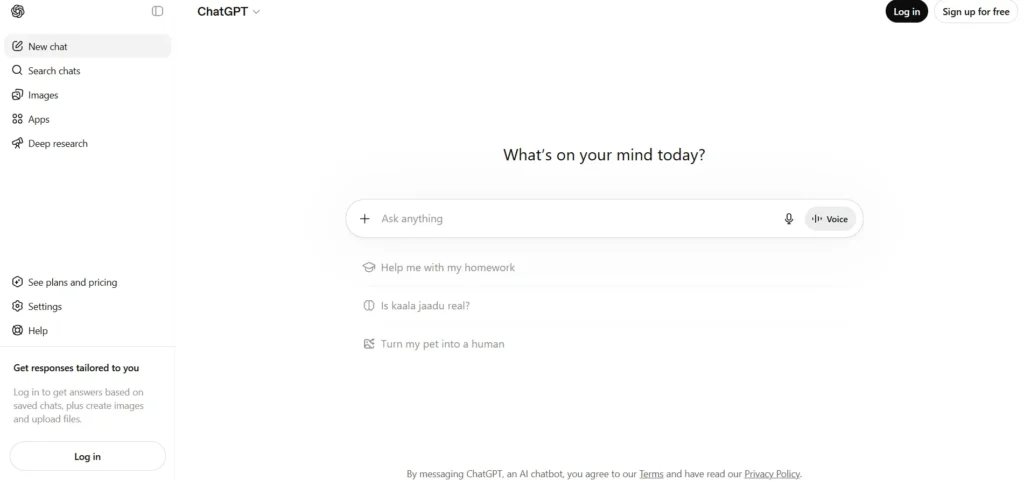
OpenAI’s latest GPT models remain the most widely used alternatives to Claude.
Where ChatGPT stands out is in its handling of text, image, documents, and voice interactions and code execution within a single ecosystem for professionals managing mixed workflows, and that flexibility is extremely valuable.
The platform is particularly strong for:
- content creation
- brainstorming
- image interpretation
- document analysis
- general productivity workflows
OpenAI also offers a broader ecosystem of built-in tools compared to Claude, including image generation and advanced voice features.
Best for: Marketers, creators, freelancers, and teams that want an all-in-one AI assistant.
Pricing: Starts at approximately $20/month for premium access.
Limitation: While writing quality is excellent, many users still prefer Claude for highly nuanced long-form prose.
2. Google Gemini Advanced is best for Large Documents and Research
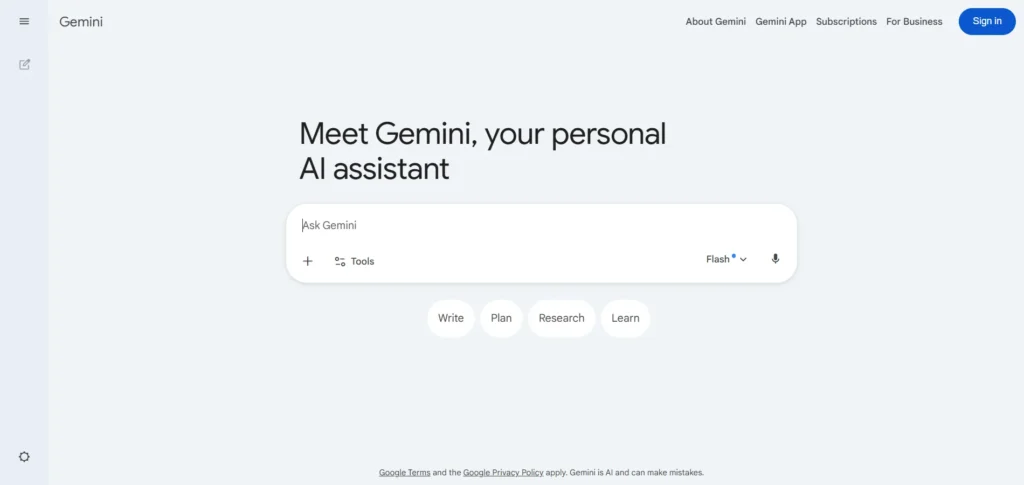
Google Gemini has become one of the strongest alternatives for users working with massive amounts of information.
Its biggest advantage is the extremely large context window, allowing users to process long research papers, extensive documentation codebases, and lengthy reports in a single session.
For analysts, researchers, legal professionals, and technical teams, this capability can significantly improve workflow efficiency.
Gemini also integrates naturally with Google Workspace, making it especially useful for teams already operating within Google Docs Drive and Sheets.
Best for: Researchers, analysts, enterprise users, and large-document workflows.
Pricing: Included with Google One AI Premium plans.
Limitation: Creative writing and conversational nuance are still not as refined as Claude’s.
3. OpenAI Codex Best Claude Code Alternative for Developers
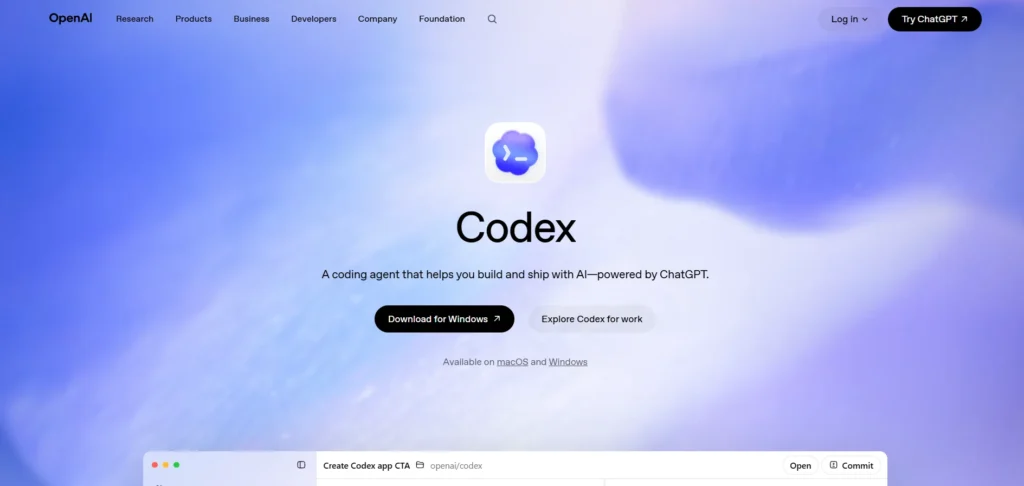
For developers specifically looking to replace Claude Code, Codex is one of the strongest options available.
Unlike general-purpose chat assistants, Codex is designed primarily for software development workflows. It performs particularly well in:
- multi-file code editing
- debugging
- repository analysis
- agentic coding tasks
- automated development workflows
Many developers also find Codex more efficient during extended sessions because usage scales differently than Claude’s message-based limitations.
Best for: Software engineers, backend developers, and technical teams.
Pricing: Typically, usage-based through API access.
Limitation: Less suitable for general writing or creative workflows.
4. Perplexity AI is best for Research and Fact Verification
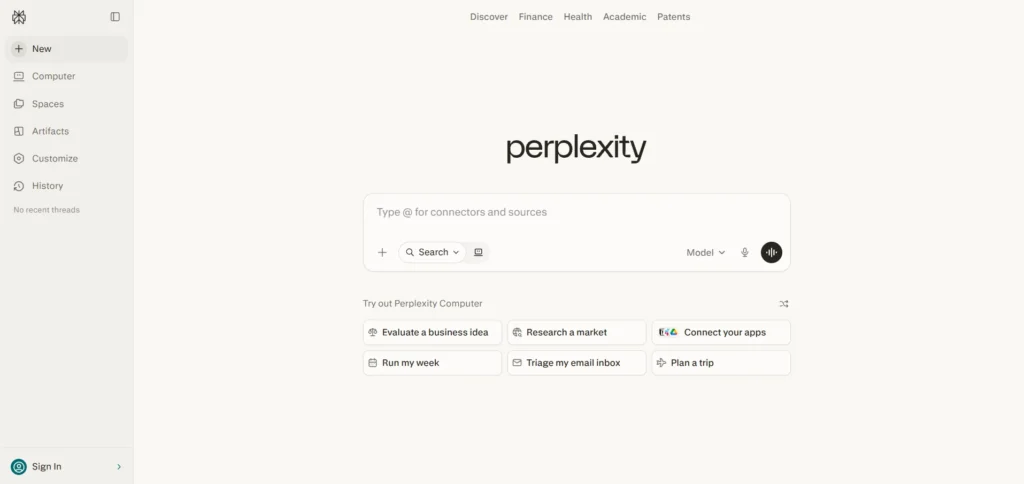
Perplexity takes a very different approach compared to most AI assistants.
Rather than focusing primarily on conversation quality, Perplexity is built around real-time web research with cited sources. This makes it especially useful for users who prioritize accuracy and up-to-date information.
For content marketers, journalists, SEO professionals, and analysts, Perplexity can dramatically reduce research time while improving fact verification.
Many professionals now pair Perplexity with another writing-focused model instead of relying on one tool alone.
Best for: Research-heavy workflows, SEO journalism, and market analysis.
Pricing: Free version available with premium plans starting around $20/month.
Limitation: Not designed primarily for advanced writing or deep coding tasks.
5. Grok (xAI) Best for Real-Time Trends and Social Insights
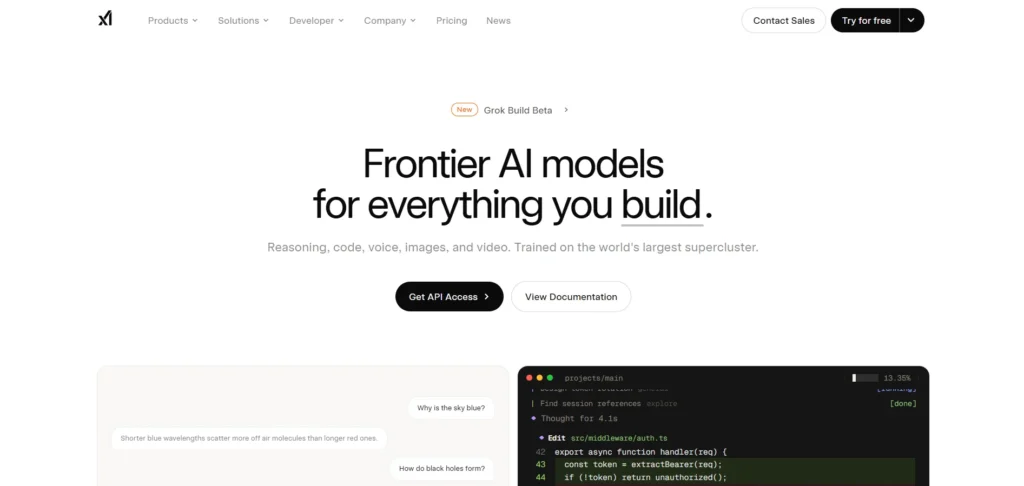
Grok has improved significantly since its early releases and is now a serious competitor in specific use cases.
Its biggest advantage is direct access to live data from X (formerly Twitter). That makes it particularly valuable for:
- social media monitoring
- trend analysis
- breaking news discussions
- public sentiment tracking
- PR research
For marketers and social media teams, Grok provides insights that traditional static AI models cannot easily replicate.
Best for: Social media professionals, PR teams, and trend researchers.
Pricing: Free and premium tiers available depending on platform access.
Limitation: Still weaker than Claude for deep reasoning and polished long-form writing.
Open-Source Alternatives Best for Cost Efficiency and Flexibility
Open-source AI models have advanced rapidly and are now realistic options for many technical users.
Several standout choices include:
1. DeepSeek-V3
A strong model for coding, reasoning, and automation workflows at a much lower operational cost than many commercial APIs.
2. Qwen 3
Particularly effective for multilingual tasks and competitive across multiple benchmark categories.
3. OpenCode and Crush
CLI-based open-source tools designed as flexible alternatives to Claude Code, allowing developers to switch between underlying models based on cost or performance needs.
For startups, engineering teams, and developers running large-scale automations, open-source solutions can dramatically reduce expenses.
Best for: Developers, startups, or automation pipelines and self-hosted workflows.
Pricing: Free or low-cost, depending on infrastructure usage.
Limitation: Requires technical setup and ongoing maintenance.
Quick Comparison Table
| Tool | Best Use Case | Pricing | Main Strength |
| ChatGPT | Multimodal productivity | ~$20/month | Versatility |
| Gemini Advanced | Large-context research | ~$20/month | Massive context window |
| OpenAI Codex | Coding workflows | Usage-based | Development automation |
| Perplexity AI | Research & citations | Free / Premium | Real-time sourcing |
| Grok | Social media insights | Free / Premium | Live trend access |
| DeepSeek-V3 | Cost-efficient automation | Low API cost | Strong price-performance |
| OpenCode / Crush | Open-source coding | Free | Model flexibility |
Do You Need to Replace Claude Completely?
Not necessarily.
For many professionals, the better strategy is not replacing Claude entirely but building a smarter workflow around multiple models.
Different AI systems excel in different areas:
- Claude remains exceptional for nuanced writing and reasoning
- GPT models are highly versatile for multimodal tasks
- Gemini works well for large-scale document analysis
- Perplexity is excellent for research and citations
- Open-source tools reduce operational costs
This is why multi-model workflows are becoming increasingly common in 2026.
Some users now prefer model aggregator platforms that provide access to multiple frontier models through a single subscription. This allows teams to switch between tools depending on the task instead of paying separately for multiple standalone services.
The goal is no longer finding one perfect AI assistant; the real advantage comes from using the right model for the right job.
How to Choose the Right Claude Alternative
The best choice depends entirely on your workflow.
- Choose ChatGPT if: You want one flexible platform for writing, brainstorming, image analysis, and productivity tasks.
- Choose Gemini if: You regularly work with extremely large documents or research-heavy projects.
- Choose Codex if: Your primary use case is software development and coding automation.
- Choose Perplexity if: You need accurate, real-time research with reliable citations.
- Choose Grok if: You work heavily with social media trends and live online conversations.
- Choose Open-Source Models if: You want cost control, flexibility, and scalable automation infrastructure.
Final Thoughts
Claude remains one of the best AI assistants available today, especially for reasoning, coding assistance, and high-quality writing. But in 2026, relying entirely on a single AI platform is becoming less practical for many professionals.
The strongest Claude alternatives are no longer experimental tools. They are mature platforms built for specific strengths, whether that means multimodal productivity, real-time research, coding automation, or scalable open-source deployment.
For some users, the best move is replacing Claude entirely; for others, the smarter strategy is combining multiple tools into a workflow that balances performance, flexibility, and cost.
The AI landscape is evolving quickly, and the professionals getting the most value are not necessarily using one model exclusively. They are choosing the right tool for each task and building systems that adapt as the technology continues to improve.